Disney Finally Takes Action: New Plans Surface to Help Park Guests With Disabilities

Disney’s approach to disability access has become a sore spot for some park guests, especially after major changes left families wondering what their next vacation would look like.
But a new Disney patent points toward a different kind of accessibility effort.
Instead of focusing on how guests wait for an attraction, this concept addresses what happens when they reach the front of the line. Disney is exploring technology that could allow some disabled guests to remain in their wheelchairs or scooters while riding.
The idea could eliminate a difficult part of the theme park experience for people who cannot easily transfer between their mobility devices and ride vehicles.
For now, that’s all it is: an idea protected through a patent. Disney hasn’t announced plans to install the system at an attraction.
Even so, the timing makes the concept worth watching.

Disney Has Heard Plenty of Criticism
Disney made major changes to its Disability Access Service, or DAS, in 2024, narrowing the group the program was designed to accommodate.
The revised program focused more specifically on guests with developmental disabilities who cannot wait in a conventional queue for an extended period. Disney said use of its disability access program had more than tripled over five years and cited misuse as one factor.
Some disabled guests weren’t happy with the changes.
Visitors who previously received DAS reported losing access, while others said Disney’s alternative accommodations didn’t meet their needs. Some families questioned whether they would return.
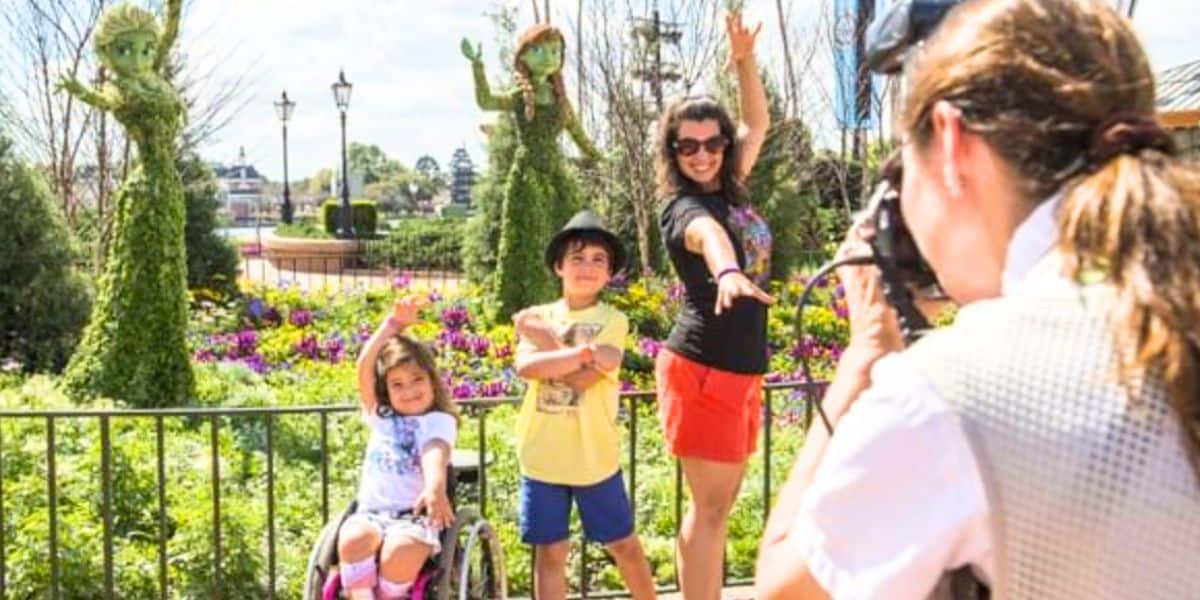
Disney still provides accessibility options, including wheelchair-accessible vehicles, transfer-access vehicles, transfer devices, and dedicated loading areas.
However, requirements vary between attractions. Some guests must move from an ECV into a wheelchair, while others must leave their mobility device and transfer into the ride vehicle.
For guests unable to make that transfer safely or comfortably, it can become a major obstacle.
Disney’s latest patent explores one possible workaround.
A New Ride System Could Change the Boarding Process
Disney’s “Rider Inclusive Transport Aide” patent became public on September 17, 2026, after the company originally filed it on March 11, 2025.
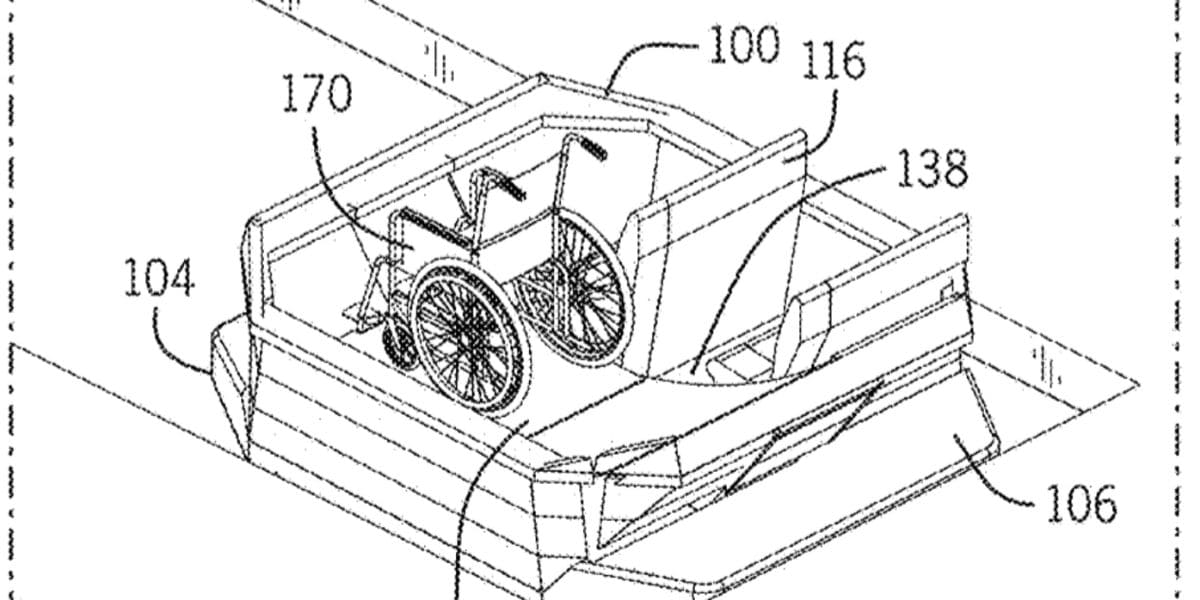
The concept involves placing a movable platform inside a ride vehicle. A wheelchair or scooter could remain on that platform while the attraction operates.
The platform would stay relatively level even as the larger vehicle moves around it.
That feature makes the technology appear particularly useful for boat-style attractions. As the ride vehicle tilts or moves, the platform underneath the mobility device could adjust to help maintain stability.
The bigger development, however, is what that could mean for the person riding.
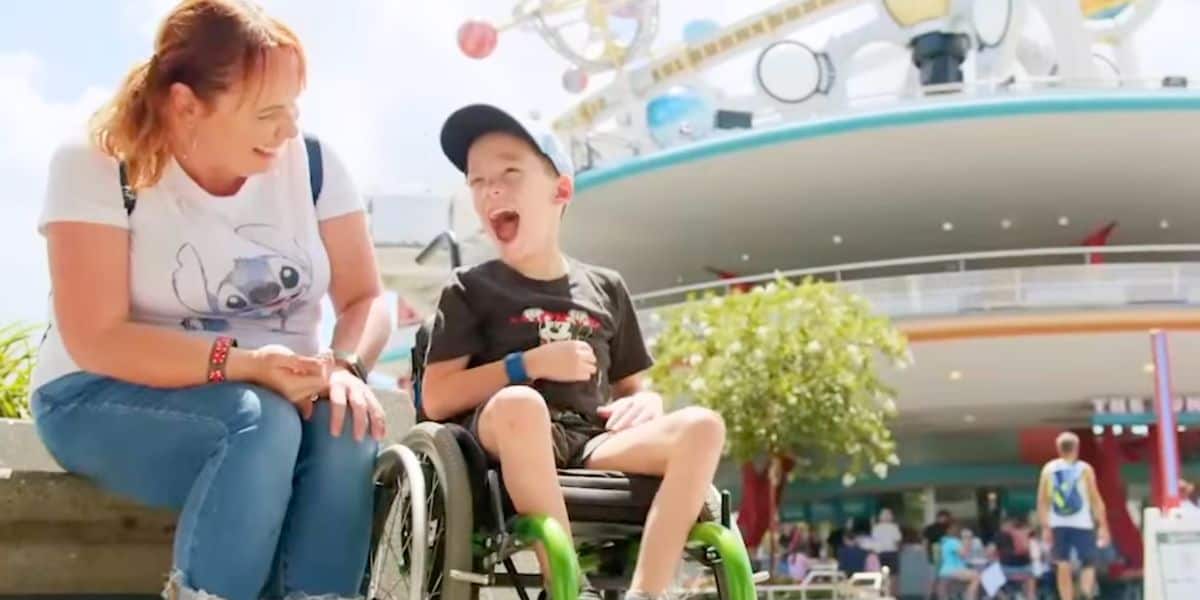
A guest could remain in a wheelchair or scooter rather than transfer to a conventional ride seat.
That could give Imagineers another option when designing attractions for guests with mobility limitations.
But Disney hasn’t confirmed it will happen.
Companies routinely patent ideas that never become finished products. Disney could eventually use this technology, substantially modify it, or leave it on paper.
The patent shouldn’t be viewed as confirmation that a specific Disney attraction is receiving a new accessible ride vehicle.
The Potential Impact Goes Beyond Convenience
For many guests, transferring into a ride vehicle takes only a few seconds. For others, it can make the difference between experiencing an attraction and sitting it out.
That’s why this technology could matter.
Allowing a guest to remain in the mobility device they already use could eliminate an additional physical challenge during their park day. It could also provide greater independence for visitors who currently depend on assistance when boarding certain attractions.
Instead of requiring the guest to adapt to the ride vehicle, the technology could allow the vehicle to accommodate the guest better.
That represents a meaningful difference in how an attraction can approach accessibility.
And if Disney eventually proves that this type of system can operate successfully, similar concepts could potentially find their way into other attractions.

Disney Still Has More to Address
This patent doesn’t resolve the larger debate surrounding disability access at Disney.
Guests have different accessibility needs, and making attractions easier for wheelchair users doesn’t address concerns involving developmental disabilities, sensory needs, or difficulty waiting in conventional queues.
The DAS controversy also remains separate from this technology.
Still, Disney doesn’t need a single invention to solve every accessibility problem to make a difference.
If Imagineers eventually turn this patent into operational technology, it could remove a barrier that currently keeps some guests from experiencing certain attractions.
After years of criticism surrounding Disney’s disability policies, that would represent progress.
It wouldn’t solve everything, and Disney would still have work ahead to ensure disabled guests receive the access and assistance they need.
But creating attractions that better adapt to those guests, rather than asking them to overcome another obstacle, would be a worthwhile place to start.