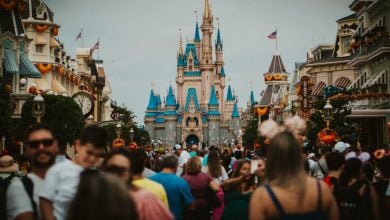
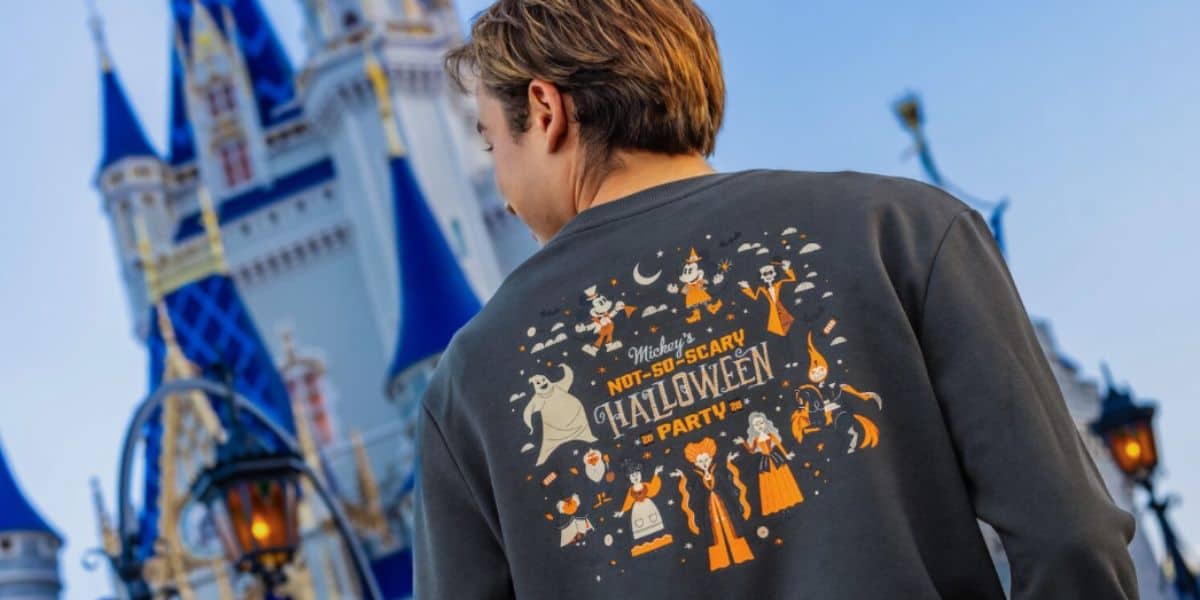
Mickey’s Not-So-Scary Halloween Party gives adults a rare opportunity at Walt Disney World: the chance to enter Magic Kingdom dressed as a favorite character.
That exception, however, does not turn the park into an anything-goes costume contest. Disney’s rules cover masks, capes, gowns, props, accessories, and even how guests may behave while portraying a character. An outfit that crosses those lines may have to be altered before its wearer enters—or Disney can refuse admission altogether.
For anyone spending money and time building the perfect Halloween look, that makes the costume policy essential vacation planning, not fine print.
Adult Costumes Are Allowed, but Only During the Special Event
The 2026 Mickey’s Not-So-Scary Halloween Party runs on select nights from August 7 through October 31. Disney schedules the party from 7 p.m. to midnight, although event ticket holders may enter Magic Kingdom beginning at 4 p.m..
That 4 p.m. admission window matters for costumes. Disney’s normal park dress guidelines prohibit guests 14 and older from wearing costumes during an ordinary operating day, but the company creates an exception for designated separately ticketed events.
A party ticket does not grant costume access before 4 p.m. Guests planning to visit Magic Kingdom earlier with regular daytime admission should therefore build their schedule around the standard policy rather than assuming their Halloween ticket applies all day.
This year, that planning is becoming more urgent. Several party nights had already disappeared from ticket availability by July 22, including opening night and Halloween.
The Rules That Can Undo an Elaborate Costume
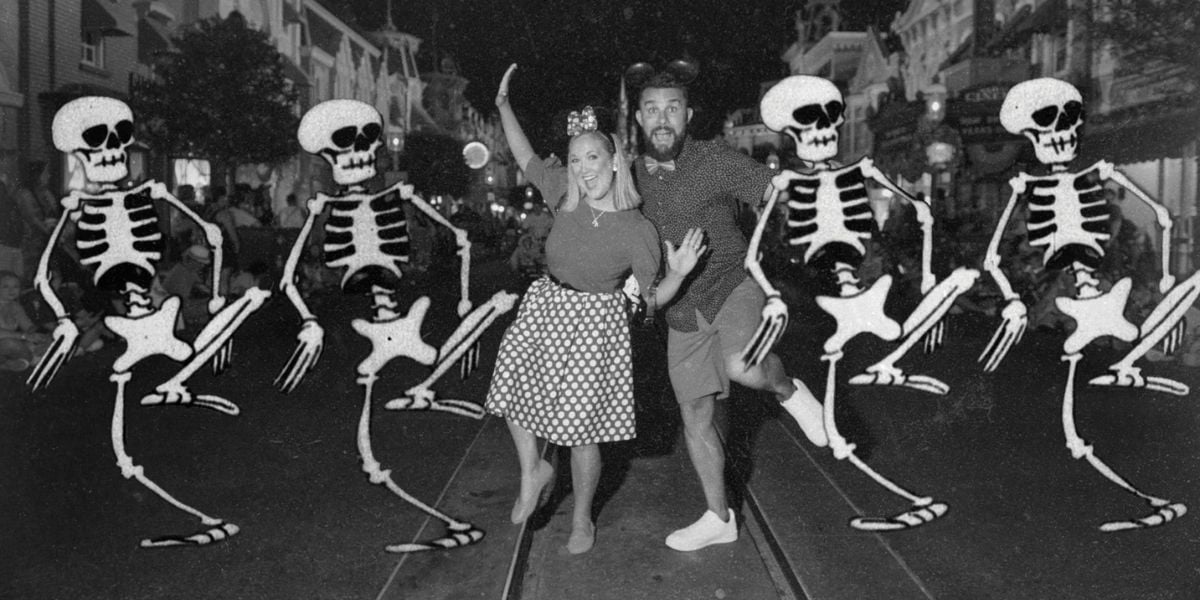
Under Disney’s current special-event costume guidelines, guests 14 and older may dress as characters, but their costumes must remain family-friendly. Disney prohibits outfits it considers obstructive, offensive, objectionable, or violent.
The practical restrictions become more specific:
- Costumes cannot contain props or accessories that resemble—or could easily be mistaken for—real weapons.
- Sharp or pointed pieces, along with materials that could strike another guest, are prohibited.
- Costumes cannot reach or drag on the ground. Disney specifically identifies full-length princess dresses as an example.
- Capes are permitted only when they end at or above the waist.
- Layered costumes and props surrounding the entire body are strongly discouraged and may prompt additional security screening.
- Costume headwear cannot cover the face.
- Guests 14 and older cannot wear costume masks of any kind.
There is a narrow but useful distinction concerning accessories. Disney lists transparent wings, plastic lightsabers, toy swords, and tutus as acceptable. That does not override the weapon rule: a prop that appears realistic or introduces a safety hazard can still be rejected.
Disney may refuse entry or remove someone who does not comply unless the outfit can be modified. That is why the final costume test should not happen in front of Magic Kingdom’s security team.
Children Follow a Different Mask Rule
One inconsistency in circulated summaries deserves correction: Disney does not prohibit every costume mask worn by every attendee.
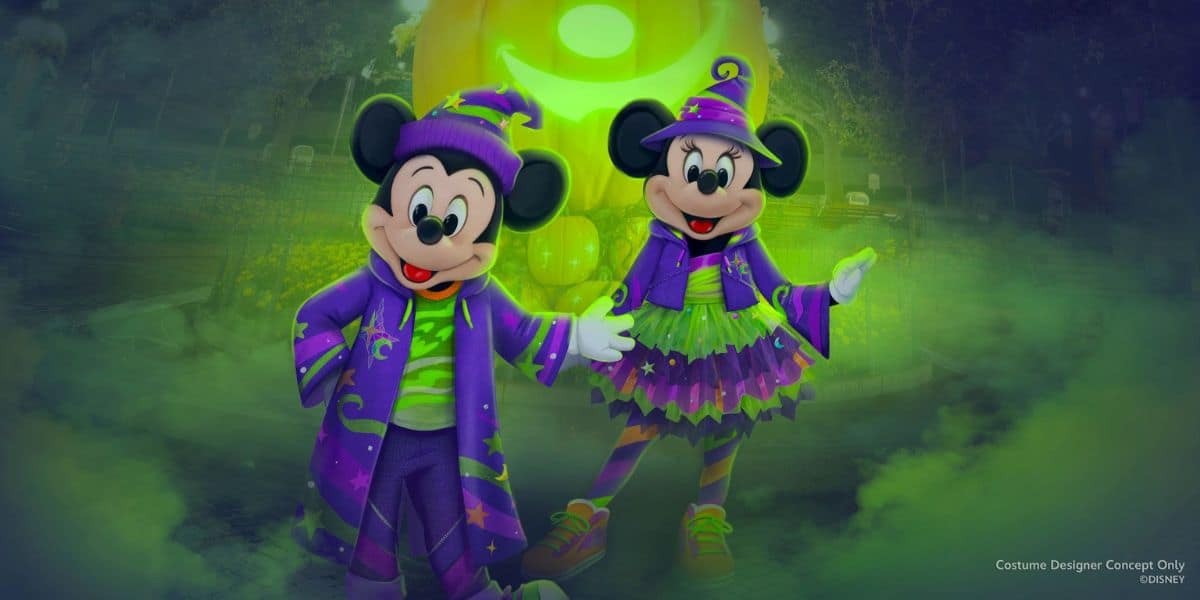
Guests 13 and younger may wear costumes and certain costume masks. The mask must leave the child’s eyes fully visible and provide unobstructed peripheral vision. The complete mask prohibition applies to guests 14 and older.
This age divide is easy to miss when a family coordinates matching outfits. A character mask acceptable for a 12-year-old may not be acceptable when worn by an older sibling or parent.
Disney has previously faced confusion surrounding Halloween dress-code enforcement, making the company’s current written language the safest standard to follow.

Dressing Like a Character Does Not Make You the Character
Disney also prohibits guests from behaving in a way that could blur the line between attendees and official performers. A guest may dress as Cinderella, Jack Sparrow, or another recognizable character but cannot pose for photographs with other guests or sign autographs for them.
That rule becomes particularly important for highly convincing costumes. The restriction is not simply about fabric, makeup, or props; it concerns how the person uses the costume after entering the park.
The party’s appeal still rests partly on that rare creative freedom. Adults ordinarily cannot enter Magic Kingdom in full costume, while Mickey’s Not-So-Scary deliberately invites them to participate alongside the returning Halloween entertainment. The result can be one of the park’s most visually distinctive nights—but only within Disney’s boundaries.

Build a Costume for Six Hours in a Theme Park
A technically compliant costume can still be a miserable choice.
Guests entering at 4 p.m. could spend eight hours inside Magic Kingdom before midnight. Breathable fabric, comfortable shoes, removable layers, and props that are easy to carry will generally serve better than a heavy outfit designed for a short photo session.
Full-body or heavily layered designs can mean additional screening. Long fabric creates its own problems around crowds and attraction vehicles, even before considering Disney’s prohibition against ground-length costumes.
Guests should also remember that Magic Kingdom’s regular operations are affected by party nights. The park closes early to daytime visitors, and some services—including Lightning Lane access during the party period—do not operate as they would during a standard evening.
The safest strategy is straightforward: check the costume from head to toe against Disney’s published policy, test it while walking and sitting, and bring an ordinary change of clothes. The cape that looks perfect at home is not worth jeopardizing a limited, separately ticketed night at Magic Kingdom.