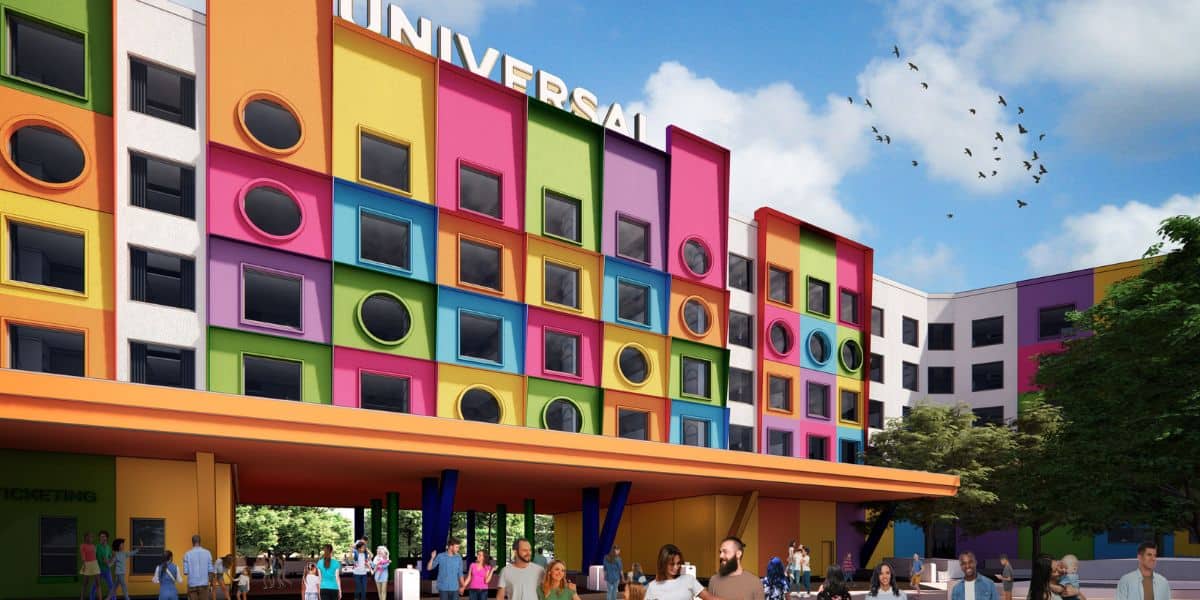
When Universal announced it was building its first-ever theme park designed specifically for younger children, expectations immediately soared. Families imagined a smaller-scale version of the immersive experiences that transformed Orlando into one of the world’s premier vacation destinations. For North Texas, it felt like the arrival of something genuinely special.
But before the park has even officially welcomed its first guests, a very different conversation has begun unfolding online.
The preview videos are polished. The influencers are smiling. Yet beneath nearly every viral post, another story is taking shape—one driven not by creators, but by the families Universal ultimately hopes will return again and again.
Because while the marketing celebrates colorful characters and kid-friendly attractions, many fans believe something feels surprisingly… unfinished.

Fans Aren’t Criticizing the Attractions—They’re Questioning the Experience
Early previews of Universal Kids Resort have produced exactly what most preview events are designed to create: upbeat first impressions.
Creators have showcased all 13 attractions, playgrounds, splash zones, and character encounters with the kind of excitement that naturally accompanies exclusive access. For viewers watching from home, everything initially appears bright, cheerful, and perfectly tailored for children.
Then comes the comments section.
The new Universal Kids Resort looks like a parking lot amusement park!
The new Universal Kids Resort looks like a parking lot amusement park! pic.twitter.com/m082i4v1Hu
— Vince Langman (@LangmanVince) June 24, 2026
That’s where much of the conversation has shifted.
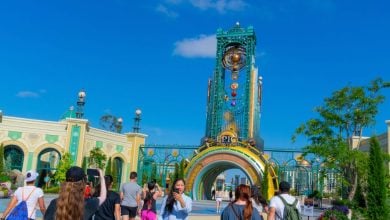
Some viewers have described the park as looking more like a neighborhood entertainment center than a Universal destination. Others questioned whether the heavy use of concrete, limited landscaping, and sparse theming between attractions matches the standard associated with one of the world’s most recognizable theme park brands.
One highly liked comment labeled it a “mediocre kiddie carnival,” while others wondered whether construction had simply been rushed to meet its July 1 opening date.
This isn’t concept art. This is real life. This is UNIVERSAL KIDS RESORT.
This isn’t concept art.
This is real life.
This is UNIVERSAL KIDS RESORT. pic.twitter.com/l5bMskS2yd
— Nick Hutson (@NickHutsonMusic) June 19, 2026
Whether those assessments prove fair remains to be seen. But one thing is becoming increasingly clear: fans are paying attention long before opening day.
The Biggest Debate Isn’t About Kids—It’s About Parents
Supporters of the new park have offered an important reminder.
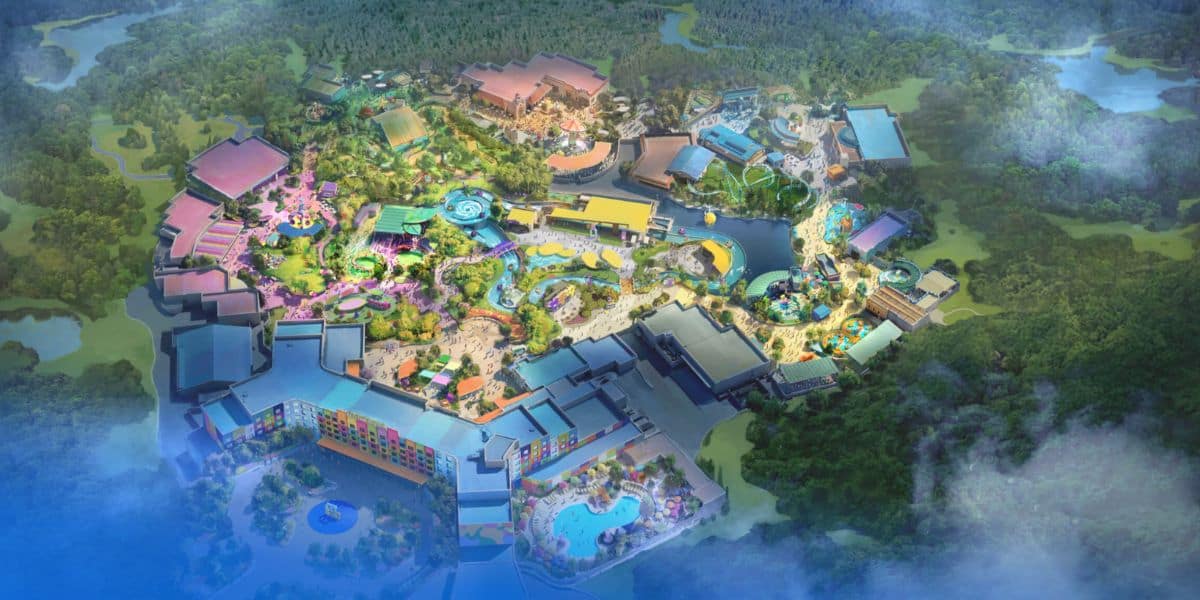
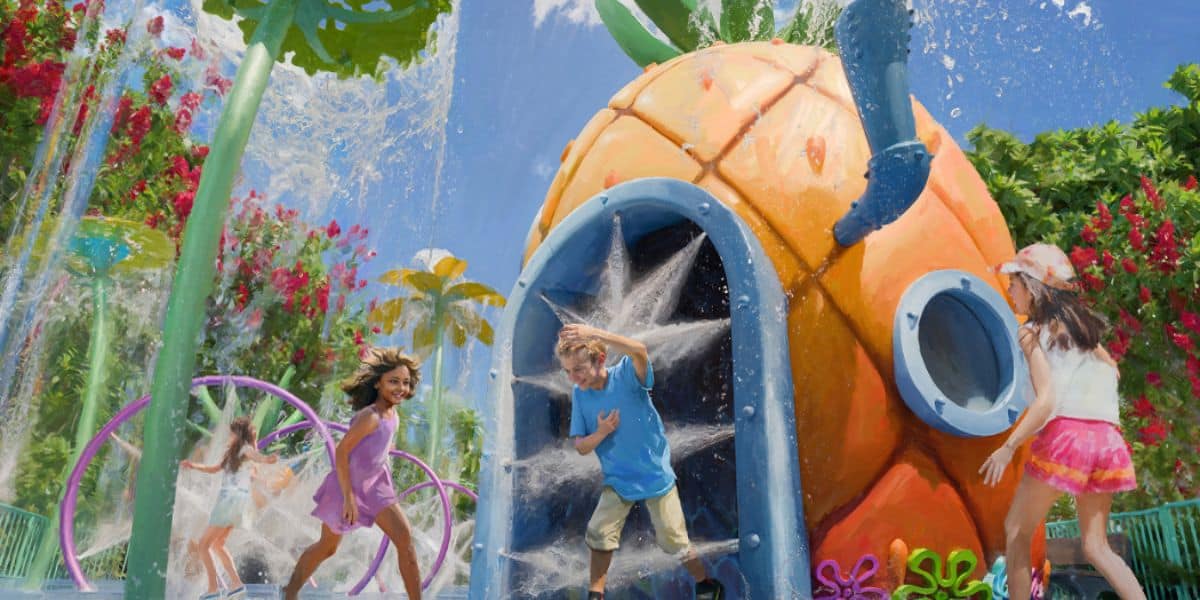
Universal Kids Resort wasn’t built to compete with Universal Orlando’s Epic Universe or even Disneyland. It’s designed primarily for children between the ages of 3 and 8—a demographic that values playgrounds, splash pads, familiar characters, and simple attractions over massive thrill rides.
Young children aren’t judging sightlines, landscaping budgets, or whether every corner tells a cinematic story.
Parents are.
And that’s where the discussion becomes much more complicated.
Families could spend anywhere from roughly $55 to well over $100 per person depending on the day and ticket options. At those prices, guests naturally begin comparing the experience not just with local attractions, but with the larger Universal name itself.
For longtime theme park fans, branding creates expectations. Universal has spent decades teaching audiences to expect immersive worlds, layered storytelling, and environments that feel alive from the moment guests walk through the gate.
When those expectations aren’t immediately met, disappointment can arrive before families even ride an attraction.
Some Areas Are Winning Praise—Others Are Raising Bigger Questions
Not every early impression has been negative.
The Jurassic World: Cretaceous Coaster has earned praise as an accessible first coaster for younger children, offering gentle thrills that many families will likely appreciate.
Small operational details—like child-sized restroom seating—have also impressed parents looking for thoughtful accommodations.
Still, much of the online discussion continues circling back to one issue: immersion.
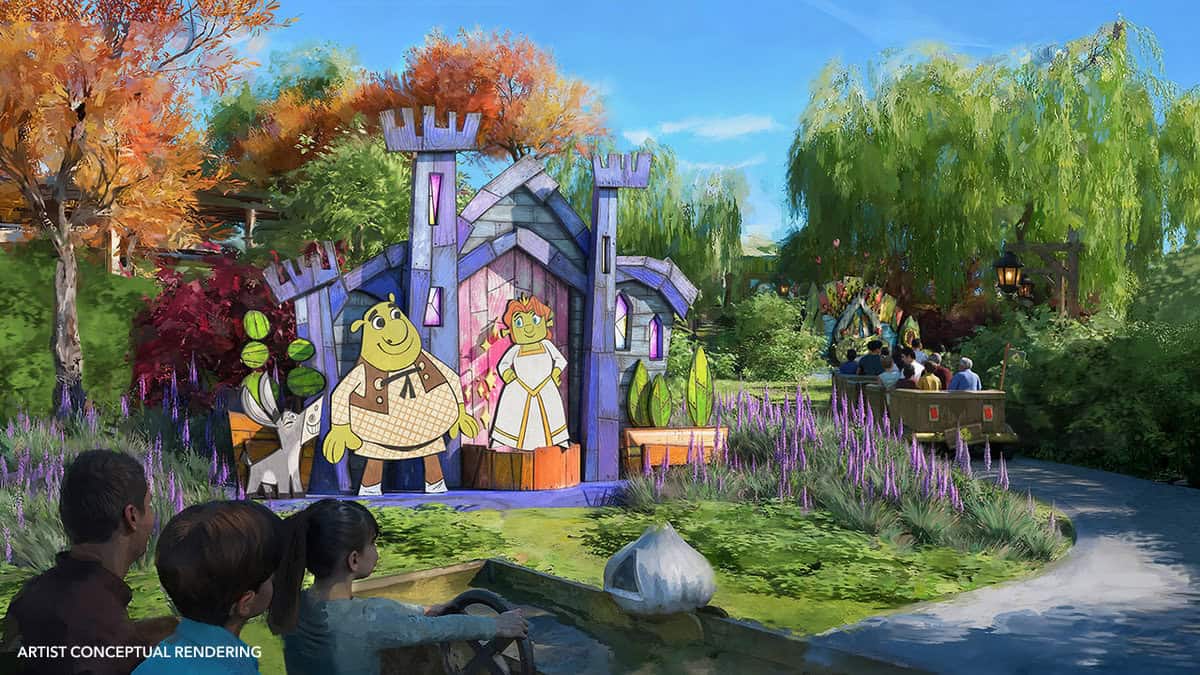
Perhaps nowhere has that conversation centered more than Shrek & Fiona’s Happily Ogre After.
Early concept art suggested a lush swamp filled with vibrant scenery. Preview footage instead has led some online viewers to compare the attraction’s surroundings to highway landscaping or unfinished public spaces, arguing that the environments between show elements feel noticeably sparse.
Theme parks aren’t remembered only for rides.
They’re remembered for how they make guests feel while walking between them.
That’s the emotional ingredient many commenters believe is currently missing.
Universal Still Has Time to Change the Narrative
History shows that first impressions don’t have to become permanent reputations.
Disney, Universal, and other major operators have repeatedly invested millions into improving lands, attractions, and guest experiences after opening. Additional landscaping, expanded shade, upgraded effects, seasonal offerings, and new entertainment can dramatically reshape public perception.
In fact, some fans already believe that’s exactly what Universal intends to do.
If the company responds quickly to guest feedback, today’s criticism could eventually become little more than a footnote in the park’s history.
Ignoring those conversations, however, would be far riskier.
What Happens Next Could Define Universal Kids Resort for Years
First-year excitement can carry almost any new destination through its opening season.
The real challenge begins after the novelty wears off.
Will families return once they’ve experienced every ride? Will guests recommend the park to friends? Will North Texas residents see it as an annual tradition—or as a one-time visit?
Those questions matter far more than opening-day attendance.
Universal Kids Resort represents something entirely new for the company, and its long-term success won’t be measured by influencer videos or ribbon-cutting ceremonies. It’ll be measured by whether families believe the experience is worth repeating.
Right now, that’s the conversation unfolding across social media.
For Universal, the encouraging news is that most critics aren’t saying the idea is flawed—they’re saying the execution can be better. And for a company known for continually evolving its parks, that may be the most important distinction of all.
The months following opening day could determine whether Universal Kids Resort grows into the destination many hoped for—or becomes a reminder that even one of the industry’s biggest names can’t rely on its reputation alone. Fans are already watching closely, and how Universal responds may ultimately shape not just this park’s future, but confidence in any similar projects the company pursues down the road.