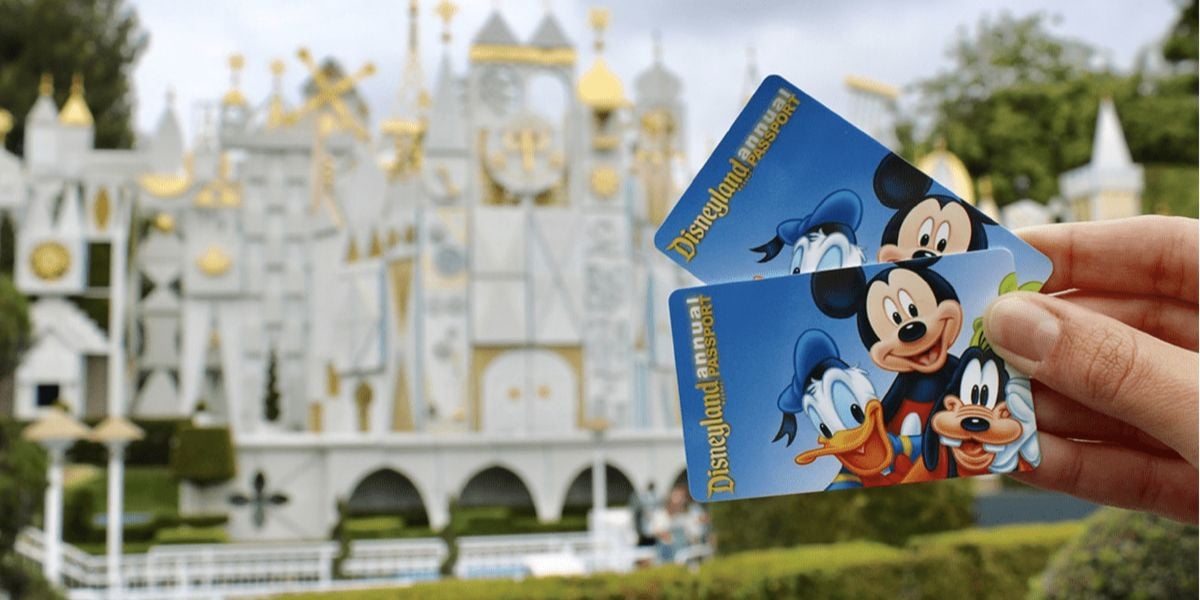
Disney introduced facial recognition technology at the entrances of Disneyland Park and Disney California Adventure in April 2026. Signs went up at the parking structures directing guests who did not want their faces scanned to use a specific lane. Most guests walking through the standard entrance had no idea the technology was even running.
That is now the subject of a class action lawsuit filed in California federal court.
What the Lawsuit Says
The complaint was filed on Friday against The Walt Disney Company, alleging that Disney collects and compares photographs of guests’ faces to ticket and Annual Pass images without providing sufficient disclosure or obtaining adequate consent from visitors. The attorneys bringing the case argue that many guests are entirely unaware that the facial recognition technology is operating at the gates they walk through.
Attorney Blake Yagman wrote in the complaint that guests should be able to expressly opt in to this type of sensitive facial recognition technology with written consent, and that the onus of privacy rights should not be on the victim. The lawsuit argues that Disney’s current opt-out model, which requires guests to seek out a different lane rather than affirmatively agreeing to participate, does not meet the standard California privacy law requires for collecting sensitive biometric data.
The proposed class action is seeking at least $5 million in damages on behalf of park guests who were subject to the facial recognition system. The case could affect millions of visitors, including children, given the volume of guests who pass through Disneyland Resort entrances each year.

What Disney Says
Disneyland’s privacy policy states that biometric data collected through the system is deleted within 30 days of creation. The policy also notes that participation is optional and that entrance lanes without facial recognition technology are available for guests who prefer not to use them.
Disney’s position is that the system is properly disclosed, data is not retained beyond 30 days, and that opt-out options are clearly available. The lawsuit does not dispute that opt-out lanes exist. It disputes whether an opt-out model constitutes meaningful informed consent under California law, and whether the current level of disclosure is sufficient for the kind of sensitive biometric data a facial recognition system collects.
Disneyland is fully using facial recognition at the gates today and cast members aren’t manually approving sign ins pic.twitter.com/NGeZo24Zub
— Matt (@DisneyScoopGuy) April 22, 2026
Why This Matters
California has some of the strongest consumer privacy protections in the country. The argument that collecting facial recognition data without explicit written consent violates those protections is the core of this case. The opt-in versus opt-out distinction is not a minor technical detail. It determines whether guests are being asked to agree to data collection or whether data collection is the default that guests must actively opt out of.
For guests who visited Disneyland Park or Disney California Adventure since April 2026, the question the lawsuit raises is straightforward. Did you know the technology was running when you walked through the entrance? Were you aware that there was a different lane you could use? Did anyone ask for your written consent before your face was scanned?
A federal court in California is now considering those questions.
What Comes Next for Disney
Disney has not publicly responded to the specific allegations at this stage. The case will proceed through the federal court system in California. The outcome will have implications beyond Disneyland, touching how biometric data collection at theme parks and other high-traffic venues is regulated and disclosed nationally.