For thirty years, a single patch of asphalt has carried the weight of a million fan theories. The Toy Story Parking Lot—a 53-acre expanse of sun-baked concrete at the corner of Harbor Boulevard and Katella Avenue—was supposed to be the future. It was the “Third Gate.” It was the site where Disney would finally build a West Coast version of EPCOT, a dedicated Star Wars park, or perhaps a second DisneySea.

But as of May 15, 2026, that dream hasn’t just hit a speed bump; a shopping mall has paved over it.
According to a bombshell report from the Orange County Register, The Walt Disney Company has officially filed confidential building permits for the Toy Story lot. While the paperwork is shrouded in the typical corporate secrecy of “site development” and “infrastructure improvements,” the trajectory is clear.
The “Third Gate” is dead. In its place, Disney is building an outdoor retail, dining, and entertainment district—a “Disney Springs West” that prioritizes the credit cards of adults over the imaginations of children.
The “DisneylandForward” Bait and Switch
When the Anaheim City Council approved the DisneylandForward initiative in 2024, the air was thick with promise. Disney committed to spending at least $1.9 billion on “theme park experiences” over the next decade. The concept art was dazzling: lush landscapes, high-speed thrill rides, and immersive lands that would bridge the gap between the existing parks and the surrounding city.

However, the fine print of the DisneylandForward agreement was always more flexible than the marketing suggested. It allowed Disney to “mix and match” land uses. Instead of a standalone third theme park with its own turnstiles and $180 admission fee, the new permits describe a sprawling “lifestyle center.”
Think of it as the “Mall-ification” of the Magic Kingdom. By choosing retail over rides, Disney is fulfilling its $1.9 billion investment obligation in the most low-risk, high-reward way possible. A theme park requires thousands of employees, massive insurance premiums, and constant maintenance of complex machinery. A shopping mall requires a landlord.
Why a Mall? Chasing the “Disney Adult” Whale
To understand why Disney is trading a roller coaster for a Ralph Lauren, you have to look at the demographics. As we’ve seen in the parks’ recent pivots—from $150 prix-fixe dinners to the “Drinking Around the World” culture at EPCOT—Disney is increasingly obsessed with the “Disney Adult.”
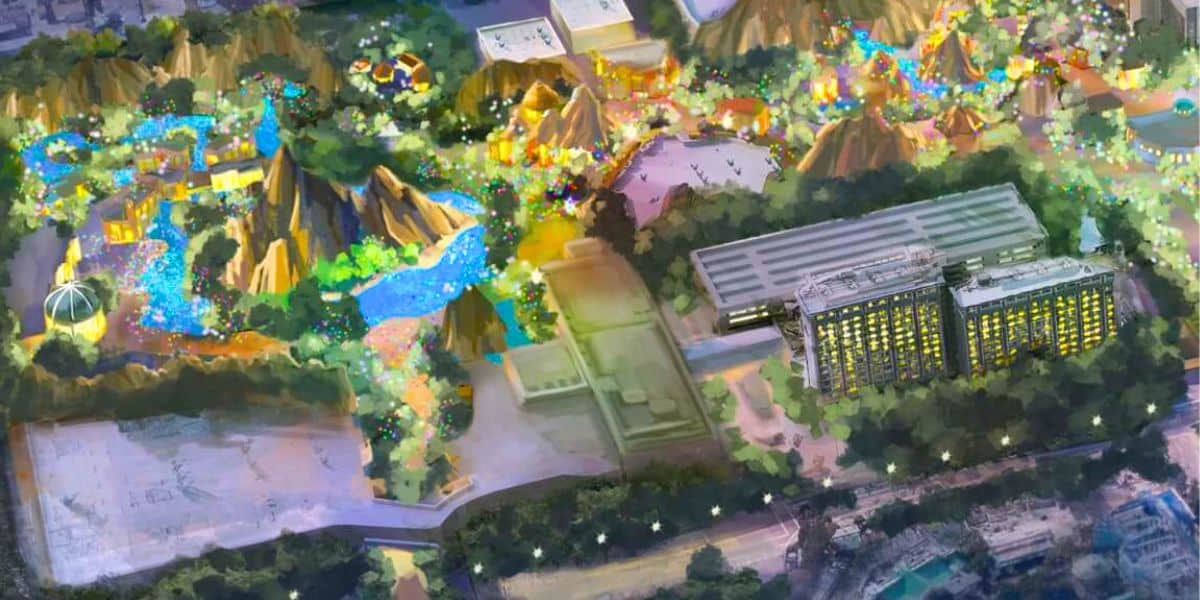
Childless millennials and Gen X-ers are the “whales” of the theme park industry. They don’t need strollers, they don’t take naps, and they are willing to spend $20 on a single craft cocktail. By transforming the Toy Story lot into a high-end shopping and dining district, Disney is creating a “Disney Bubble” that guests never have to leave.
Currently, when a guest leaves Disneyland or California Adventure, they often take their dinner and shopping dollars to the Anaheim GardenWalk or local restaurants. The new Toy Story development ensures those dollars stay in Disney’s pockets. It’s not about “magic”; it’s about “revenue capture.”
The Infrastructure of Exclusion
The May 2026 permit filings aren’t just for storefronts; they include massive new parking infrastructure. As part of the transition, Disney is moving toward a 3.2 million-square-foot parking garage on the eastern edge of the property. This “Eastern Gateway” will funnel guests directly into the new shopping district before they even catch a glimpse of the Matterhorn.

For the traditional family, this is a logistical nightmare. Instead of a streamlined entrance into a world of fantasy, the “new” Disneyland experience starts with a walk through a luxury mall. It turns the vacation into a gauntlet of consumerism.
For the “Disney Adult” with a penchant for high-end “Instagrammable” moments, it’s a paradise of curated boutiques and “signature” dining. For the parent of three just trying to find a churro that doesn’t cost $12, it’s a sign that they are no longer the target audience.
The Death of Capacity
The most devastating impact of the “Mall Over Park” decision is the loss of capacity. Disneyland is currently a pressure cooker. On any given Saturday, wait times for “E-Ticket” attractions routinely hit 120 minutes. The only way to truly fix the “crowd problem” in Anaheim was to build a third gate—a separate park that could absorb 20,000 to 30,000 guests a day.

By filling the Toy Story lot with shops and restaurants, Disney is inviting more people to the resort area without providing any new rides to put them on. A shopping mall doesn’t have a “standby line,” but it does increase the resort’s overall density. The result? The existing parks will only feel more crowded, more expensive, and more exclusive as the “Lightning Lane” era forces guests to pay for the privilege of avoiding the sun.
The “Confidential” Smoke and Mirrors
Disney’s official stance, often funneled through spokespeople to outlets like SFGATE, is that these permits are merely for “site maintenance” and “minor infrastructure.” This is a classic Imagineering smoke-screen. You don’t file confidential multi-acre site development permits for “parking lot maintenance.”
Industry insiders and “Disney-watchers” recognize these filings as the first shovel-beats of a decade-long construction project. Once the foundations for retail buildings are poured, the dream of a third theme park is effectively buried for another generation. You cannot simply “pivot” a shopping mall back into a theme park; the underground plumbing, electrical grids, and ride pits required for a modern attraction like Rise of the Resistance must be planned from day one.
Conclusion: A Marketplace, Not a Kingdom
The news of the Toy Story lot marks the end of an era of “Blue Sky” dreaming. For thirty years, we imagined what could be. We saw DisneySea in our minds; we saw a dedicated Marvel park; we saw a land of villains.
Instead, we are getting a marketplace.
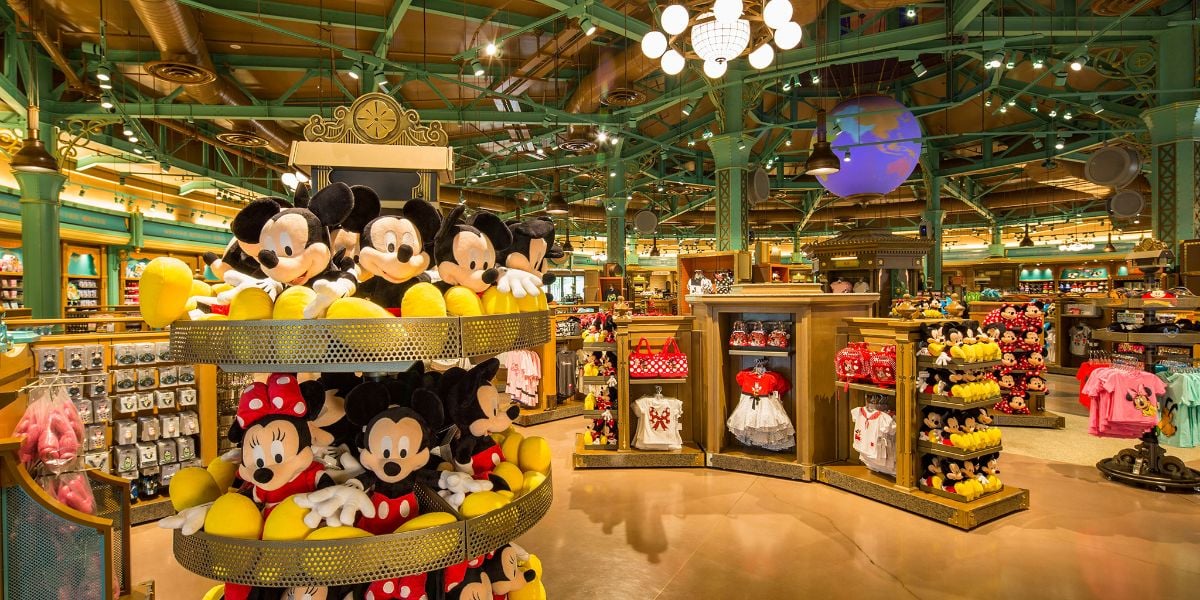
The Walt Disney Company is currently winning the battle for the adult wallet, and the “mall-ification” of the Toy Story lot is the final victory. It is a calculated, corporate decision to trade the “hassle” of families for the “high-margin” of retail.
The dream of the Third Gate died today, replaced by the reality of a “lifestyle center.” And while the “Disney Adults” may celebrate the arrival of more high-end dining and designer ears, the families who once viewed Disneyland as their own private kingdom are left looking at a 53-acre shopping mall and wondering: Where did the magic go?