For generations, the “Disney Trip” was the gold standard of American family life. It was a sun-drenched pilgrimage to a world where the only thing that mattered was the height of a toddler and the joy of a character hug.
But as we reach the midpoint of 2026, a transformation that has been simmering for years has finally boiled over. The “Magic Kingdom” is no longer a playground for the young; it has become a luxury lifestyle brand for the nostalgic adult.

Recent investigative reports from the LA Times and Deseret News have ignited a firestorm of debate among fans and travel experts alike. The consensus? Disney’s recent pivots in pricing, attraction design, and park culture are systematically pricing out the American family and rolling out the red carpet for “Disney Adults”—the childless enthusiasts who treat the parks as their personal, high-end country club.
The Financial Fortress: Why “Average” Families are Staying Home
The most significant barrier to the family vacation is no longer just the ticket price; it’s the “nickel-and-diming” of the experience. As noted by Deseret News, the modern Disney pricing structure is a labyrinth of tiered costs that disproportionately punishes large groups.

In the past, a ticket bought you admission to the park. Today, a ticket gets you in. To actually experience the park without spending eight hours standing in the sun, families are now forced to navigate the Lightning Lane Premier Pass system. For a childless couple, adding $100 to the daily budget for “skipping the line” is a splurge. For a family of five, that’s an additional $500 per day on top of nearly $1,000 in tickets.
When you factor in the soaring costs of “Value” resorts—which now often command prices that used to be reserved for luxury offsite hotels—the math simply stops working for the middle class. Disney has transitioned from a “once-in-a-lifetime” trip to an “if-you-can-afford-it” luxury, effectively telling families that if they aren’t willing to spend like a high roller, they should be prepared to wait in the back of the line.
From “It’s a Small World” to “It’s a Small Batch Cocktail”
The cultural shift is perhaps most visible in the parks’ culinary offerings. As the LA Times points out, the “Disney Adult obsession” has fundamentally changed what it means to eat at Disney. The parks have moved away from simple, accessible family meals toward “Instagrammable” gastronomy and high-end alcohol programs.

EPCOT has essentially become a permanent food-and-wine festival. While “Drinking Around the World” is a lucrative pastime for childless millennials, it creates an environment that is increasingly adult-centric.
The parks are now filled with craft cocktail bars and $150 prix-fixe dining experiences that have replaced the quick-service locations where a family could once find a reasonably priced meal. When the “hottest” new reservation in the Magic Kingdom is a lounge serving $25 martinis rather than a character breakfast for kids, the demographic priority is clear.
The Thrill Barrier: Rides Built for “Fans,” Not Families
The evolution of Disney’s attractions further cements this adult-first ideology. The latest additions to the Disney portfolio—TRON Lightcycle / Run, Guardians of the Galaxy: Cosmic Rewind, and the Star Wars: Galaxy’s Edge complex—prioritize high-octane thrills and complex technical lore.

While these rides are engineering masterpieces, they are inherently exclusionary. High height requirements mean that families with young children—the traditional heart of the Disney demographic—are often split up, with one parent waiting outside while the other rides.
Furthermore, the reliance on “Virtual Queues” and complex smartphone app interactions requires a level of digital agility and undivided attention that is nearly impossible for a parent managing a stroller, a diaper bag, and three children.
The “slow” dark rides that allowed an entire family, from infant to grandparent, to experience a story together are being neglected in favor of “E-Ticket” attractions designed to satisfy the cravings of adult thrill-seekers and “super-fans.”
The “Whale” Strategy: Why Disney is Chasing the Big Spenders
From a business perspective, Disney’s pivot is calculated. As Deseret News highlights, Disney Adults are “whales” in the terminology of the hospitality industry. They spend more per capita than families. They don’t have to worry about nap times or school breaks, allowing them to visit during “off-peak” weeks that would otherwise be empty.
They buy the high-margin merchandise—the $200 collectible lightsabers and the $150 designer Minnie ears—that children’s parents often have to skip.

Disney has realized that a childless couple staying in a Deluxe Villa and eating at “California Grill” is significantly more profitable than a family of four staying at a “Pop Century” resort and sharing chicken nuggets. By catering to the “Disney Adult,” the company is maximizing profit per guest, even if it means total guest volume from families begins to dip.
The Long-Term Gamble: A Brand Without a Future?
The danger in this strategy is the erosion of the “nostalgia pipeline.” Disney’s current success is built entirely on the memories of today’s adults who visited the parks as children in the 1980s and 90s. By making the parks inaccessible to today’s children, Disney is failing to plant the seeds for the next generation of fans.
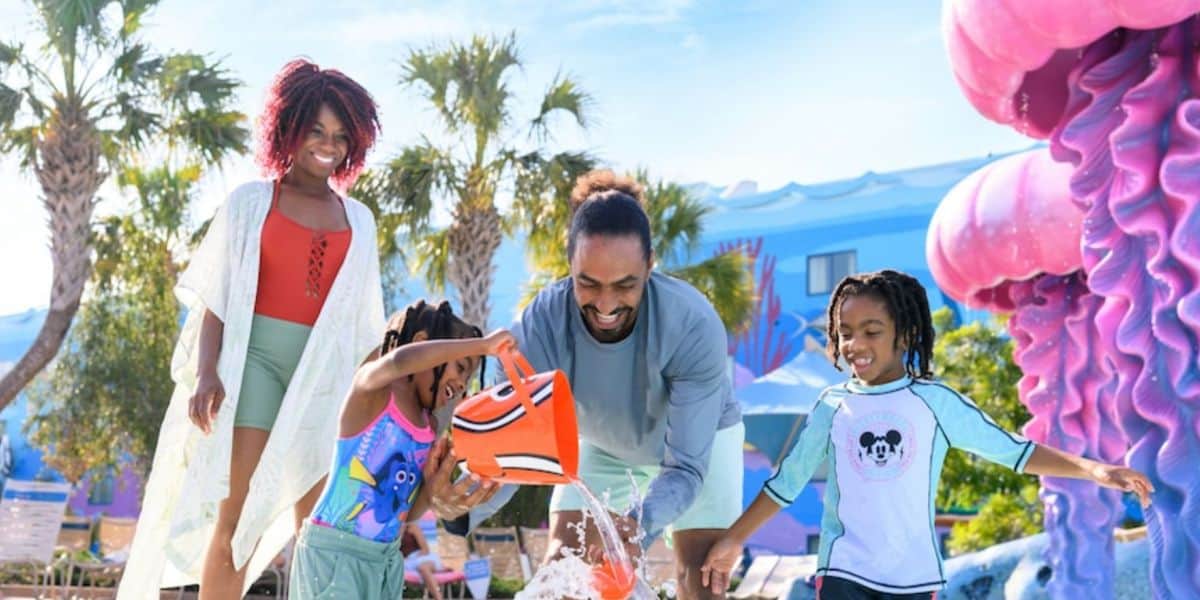
If a child in 2026 grows up seeing Disney as “that place my parents couldn’t afford,” or “that place where we stood in line for three hours while adults in expensive ears ran past us,” they will not grow up with the emotional tether required to sustain the brand in thirty years.
Conclusion: The Walled Garden of the Magic Kingdom
The Walt Disney Company is currently winning the battle for the adult wallet, but it may be losing the war for the American imagination. As the LA Times and Deseret News suggest, the “Magic” is increasingly being guarded by a paywall that only the childless or the extremely wealthy can scale.

Disney was founded on the idea of a place where “age connotes a world of fantasy.” Today, age—and the disposable income that comes with it—connotes status. Until Disney rebalances its priorities to ensure that a family of four doesn’t need a second mortgage to see Mickey Mouse, the “Magic Kingdom” will continue its transition into an exclusive club for adults, leaving the children it was built for standing on the outside, looking in.