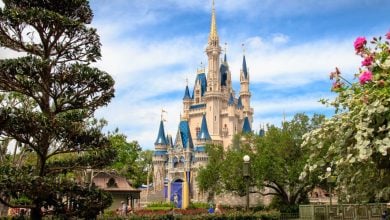
For decades, families have dreamed about walking down Main Street, U.S.A., racing through galaxies at Disney’s Hollywood Studios, or watching fireworks explode above Cinderella Castle. But lately, many guests have noticed something different about the Walt Disney World experience.
The parks feel fuller. Walkways feel tighter. Dining reservations disappear faster than ever. Even longtime fans who once knew exactly when to visit to avoid heavy crowds are beginning to admit that quieter seasons are becoming harder to find.
And now, Disney itself is acknowledging the issue.
Guests are already reacting after Walt Disney Company CFO Hugh Johnston openly confirmed that meaningful attendance growth at Walt Disney World can no longer come from simply squeezing more people into the existing parks. Instead, future growth depends on something much larger: expansion.

Disney World Is Quietly Admitting Its Biggest Challenge Yet
For years, Disney has walked a careful line between increasing demand and maintaining the immersive experience guests expect. But as ticket prices rise and vacation costs continue climbing, fans have increasingly questioned why the parks still feel overwhelmingly crowded.
Now, Disney executives are offering a clearer answer.
According to Johnston, Walt Disney World is essentially reaching its practical capacity limits. That means the company cannot continue boosting attendance numbers without physically expanding the resort itself.
Fans are noticing how significant that statement really is.
This is not simply about adding another restaurant or updating a ride system. It signals that Disney recognizes its current infrastructure is being pushed close to its limits during peak travel periods. From transportation systems and hotel occupancy to ride queues and pedestrian traffic, the pressure points are becoming more visible across the resort.
For guests, that acknowledgment validates frustrations many have expressed over the last several years.

Rising Prices Are Changing the Guest Experience in Unexpected Ways
As capacity concerns grow, many Disney fans have also been dealing with another reality: higher prices nearly everywhere they look.
Park tickets have steadily increased in cost, Lightning Lane pricing fluctuates daily, hotel rates continue climbing, and food prices inside the parks have noticeably risen. For many families, a Walt Disney World vacation now requires significantly more financial planning than it once did.
Guests are already reacting to the growing perception that Disney is using pricing as a crowd-management strategy.
Higher prices can help reduce demand during peak periods while maximizing revenue from guests already willing to pay premium costs. But fans have become increasingly vocal about the emotional tradeoff.
For longtime visitors, Disney vacations were once viewed as ambitious but achievable family traditions. Now, some guests fear the experience is slowly becoming less accessible for middle-class families who helped build Disney’s loyal fanbase over generations.
At the same time, Disney appears to understand that raising prices alone cannot solve the long-term issue.

Disney’s $60 Billion Expansion Plan Could Reshape the Parks Forever
That is where Disney’s massive investment cycle enters the picture.
Walt Disney World is at capacity. CFO Hugh Johnston says meaningful attendance growth only comes through expansion – not cramming more guests in. A $60 billion investment cycle is already underway, with new lands coming to Magic Kingdom, Hollywood Studios, and Animal Kingdom. – @wdwmagic on X
Walt Disney World is at capacity. CFO Hugh Johnston says meaningful attendance growth only comes through expansion – not cramming more guests in. A $60 billion investment cycle is already underway, with new lands coming to Magic Kingdom, Hollywood Studios, and Animal Kingdom. pic.twitter.com/ErlVSMWzHg
— WDWMAGIC.COM (@wdwmagic) May 14, 2026
The Walt Disney Company has already announced plans to spend roughly $60 billion over the next decade on parks, experiences, and cruise line growth. A significant portion of that investment will directly impact Walt Disney World.
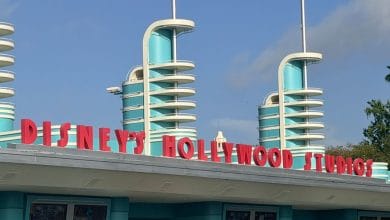
Magic Kingdom is expected to receive one of its largest expansions in decades. Disney’s Hollywood Studios continues evolving following the success of Star Wars: Galaxy’s Edge and Toy Story Land. Meanwhile, Disney’s Animal Kingdom is preparing for major transformation projects that could fundamentally change parts of the park.
Fans are noticing that Disney is no longer talking about minor additions.
The company is talking about entirely new lands, expanded guest areas, fresh intellectual properties, and infrastructure designed to distribute crowds more effectively across the resort.
That matters because Disney’s future depends on increasing capacity without damaging the guest experience.

New Lands Could Finally Relieve the Crowd Pressure Guests Feel Daily
One major reason Disney is investing so heavily in expansion is simple: new attractions spread people out.
When a highly anticipated land opens, it creates entirely new traffic patterns inside a park. More rides, restaurants, shops, and entertainment offerings help absorb crowds that would otherwise overwhelm older sections of the resort.
Guests are already seeing how newer lands naturally shift attendance behavior.
Areas like Pandora – The World of Avatar at Disney’s Animal Kingdom and Star Wars: Galaxy’s Edge at Disney’s Hollywood Studios dramatically changed crowd flow after opening.
Disney now appears focused on repeating that formula on an even larger scale.
If successful, future expansions could reduce congestion in some of the resort’s most overcrowded areas while giving guests more reasons to extend vacations and spend additional days inside the parks.
But expansion also creates new expectations.

Disney’s Next Era May Depend on Whether Expansion Can Match Demand
Disney World is entering a fascinating moment in its history.
Demand for the parks remains incredibly strong despite rising prices, economic concerns, and ongoing guest complaints about crowd levels. That combination creates both opportunity and pressure for Disney leadership.
Fans are noticing that the company no longer seems satisfied with simply managing crowds. Instead, Disney appears determined to fundamentally grow the physical size and scope of Walt Disney World itself.
The next decade could reshape nearly every part of the resort experience.
For guests, that may eventually mean more attractions, more immersive lands, improved traffic flow, and potentially less pressure during peak seasons. But it also means Disney is betting enormous resources on the idea that demand for its parks will continue growing for years to come.
And if these expansions succeed, Walt Disney World may look dramatically different by the time today’s younger generation becomes the next wave of lifelong Disney fans.