Mounting Backlash Pushes SeaWorld Into Major Entertainment Shake-up

SeaWorld has overhauled one of its most visible park traditions.
For decades, nighttime spectaculars have served as a cornerstone of the theme park experience. Fireworks, in particular, have long been positioned as a reliable crowd draw through the summer months.
But the use of fireworks has come under increasing pressure. Environmental concerns, shifting guest expectations, and advances in technology have all forced operators to rethink how those shows are delivered, especially in locations where natural ecosystems sit close to park boundaries.
SeaWorld has found itself at the center of that shift.
Environmental Backlash Reaches a Breaking Point
For months, the company has faced mounting criticism over its fireworks shows in San Diego, with environmental groups and local officials warning of pollution, wildlife disruption, and debris entering Mission Bay.
Advocacy groups have pointed to plastic fragments, wires, and chemical residue left behind after displays, raising concerns about long-term water quality and habitat damage.

In 2024, the San Diego Audubon Society reportedly sent a detailed letter to the California Coastal Commission outlining its concerns. The group included images of birds caught in the fallout, alongside photos documenting what it described as “panic flights.”
The letter referenced “panic flights” involving thousands of elegant terns, as well as carcasses discovered in the days following July 4 celebrations, intensifying scrutiny around the park’s operations.
That pressure escalated into legal threats — with campaigners accusing SeaWorld of violating environmental protections and calling for a full rethink of its nighttime entertainment.

San Diego Coastkeeper and the Coastal Environmental Rights Foundation issued a notice of intent to sue, citing alleged breaches of the Clean Water Act and claiming the park failed to properly manage and clean up fireworks debris.
After years of pressure, SeaWorld has finally backed down over one controversial aspect of its parks.
SeaWorld Replaces Fireworks With Drone Spectacular
SeaWorld San Diego has confirmed that it will debut a new nighttime drone spectacular, Ocean of Dreams, on May 22, replacing the traditional pyrotechnic display with a quieter, more controlled alternative.
The 12-minute show will use 600 illuminated drones flying up to 660 feet above Mission Bay, marking a significant operational shift for a park that has relied on fireworks since 1968.
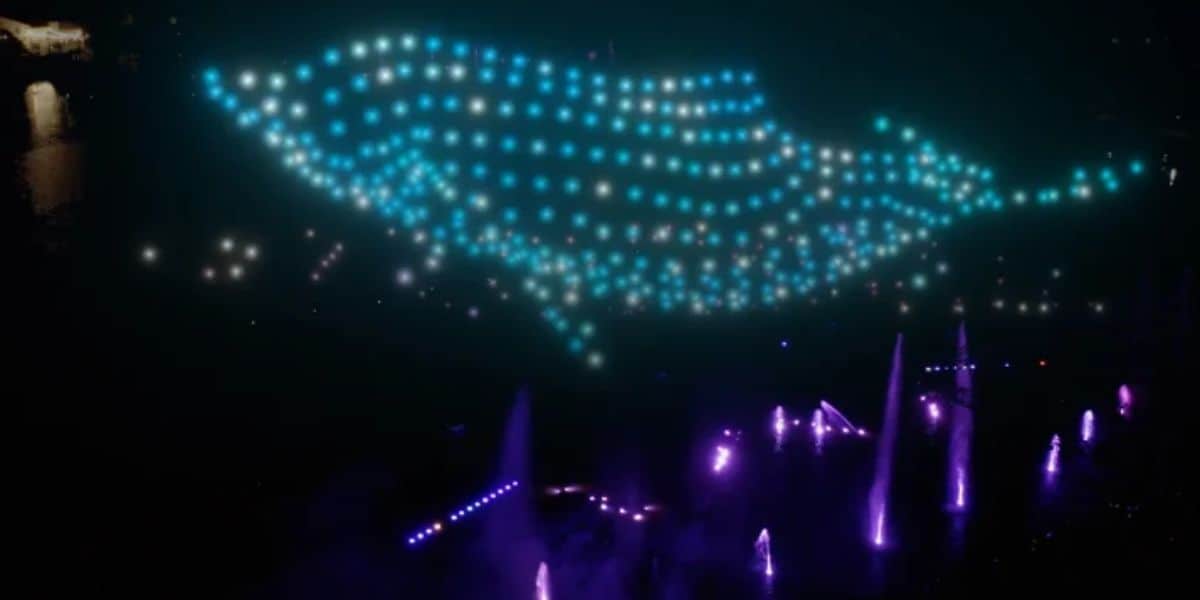
“Ocean of Dreams tells a 12-minute story of marine life, highlighting the beauty of underwater ecosystems,” says SeaWorld.
“See dazzling depictions of fan-favorite animals—including sea otters, sharks, dolphins, and a majestic orca—culminating in an electric neon finale celebrating hope, wonder, and ocean stewardship.”
Ocean of Dreams will run nightly through August 9 — before shifting to a weekends-only schedule from August 15 through September 7.
SeaWorld received approval from the California Coastal Commission in mid-April to test the drone program, with a year-long pilot that will allow 78 shows in total.
Testing is expected to begin in May, according to local officials, underscoring how quickly the company has moved to respond to mounting criticism.
The move aligns closely with demands from animal welfare groups, which have long argued that fireworks cause distress to wildlife and should be phased out in favor of newer technologies.
Fireworks have not been fully eliminated. SeaWorld is still permitted to host up to 150 shows per year and must stage at least one during the pilot program.
A Shift Already Reshaping Theme Parks
The introduction of drones signals a clear response to sustained backlash over environmental impact — particularly concerns around debris, chemical residue, and noise pollution in Mission Bay.
SeaWorld has partnered with Nova Sky Stories, a Colorado-based company known for producing large-scale drone displays at events including Coachella, the FIFA World Cup, and the Tokyo Olympic Games.

The company also provides drones for Universal Studios Hollywood’s Dark Arts at Hogwarts Castle, highlighting how quickly the technology has been adopted across the theme park industry.
Disney has also leaned heavily into drone technology in recent years. Disneyland Paris has integrated drones into its nighttime spectaculars (but recently dropped the drones featured in Disney Tales of Magic), while Walt Disney World tested Disney Dreams That Soar at Disney Springs in 2024.
Even within SeaWorld’s own portfolio, the shift is not entirely new. SeaWorld Abu Dhabi previously introduced drone elements in its One Ocean area.
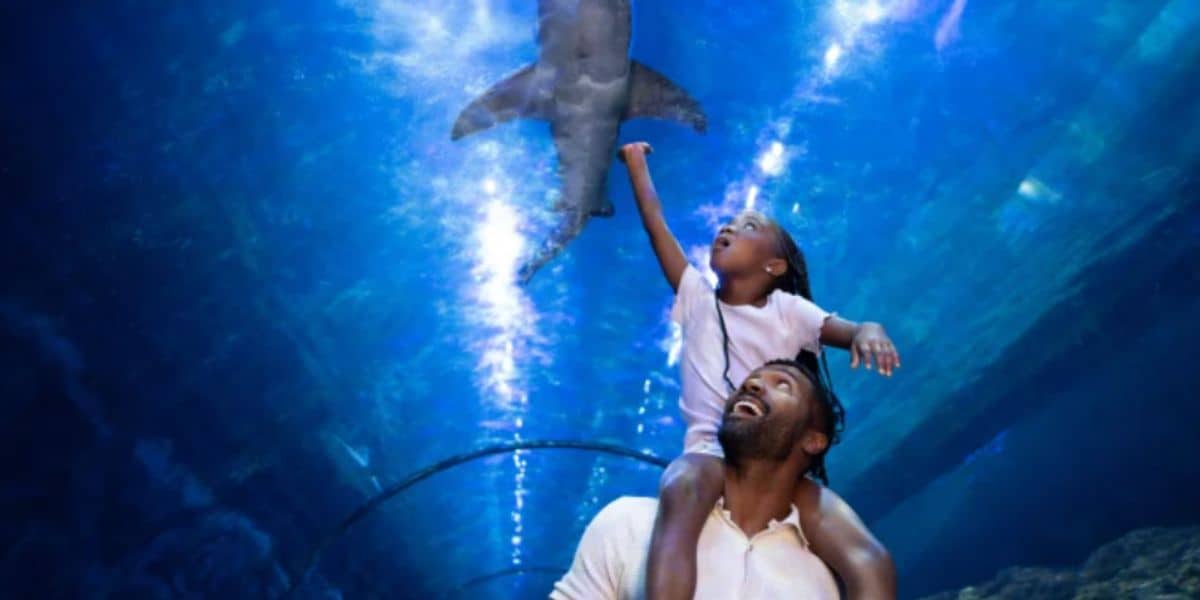
SeaWorld is positioning the change as part of a broader summer push, including the return of its Shark Encounter exhibit and the launch of its Summer Concert Series.
Do you prefer drones or fireworks?