

Since its debut, the MagicBand has been more than just a piece of plastic; it was the “One Ring” to rule your entire Disney vacation. It held your room key, your park tickets, and your ability to buy a $14 churro with a simple flick of the wrist. But as we move through April 2026, a quiet drought has hit the retail shelves of Disneyland Resort, leading many to believe that the “Magic” is officially being retired in California.

Is Disney moving toward a future where our wrists are bare while our phones do all the heavy lifting? According to recent reports from the front lines in Anaheim, the evidence of a MagicBand phase-out is becoming impossible to ignore.
The Retail Drought: Where Have All the Bands Gone?
The rumors didn’t start with a flashy press release from Burbank; they started with empty pegs. Guests visiting World of Disney in Downtown Disney and the Emporium on Main Street, U.S.A, have noticed a startling trend: the once-overflowing walls of MagicBand+ designs have shrunk to a fraction of their former size.
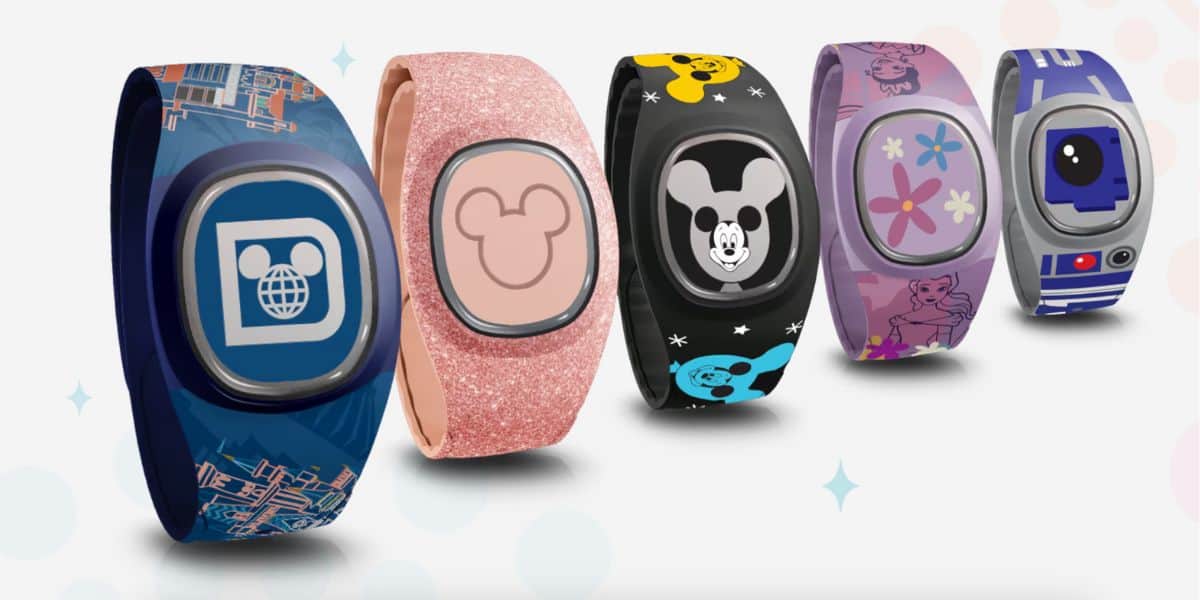
- Low Stock Levels: Standard “core” colors are frequently out of stock.
- Missing Limited Editions: New Marvel, Star Wars, and Pixar designs—which usually drop monthly—have slowed to a trickle.
- Shelf Reallocation: Retail spaces that were exclusively dedicated to wearables are being repurposed for pins, ears, and other high-turnover merchandise.
While Disney has yet to declare the end of the MagicBand officially, the lack of inventory replenishment suggests a “sell-through” strategy. In retail, when you stop restocking a product without announcing a new version, it usually means the product’s life cycle is over.
MagicBand+ vs. MagicMobile: The Battle for the Guest Experience
The primary suspect in the death of the MagicBand is Disney MagicMobile. Introduced as a way to turn your smartphone or Apple Watch into a digital park pass, MagicMobile does almost everything a MagicBand can do—for free.
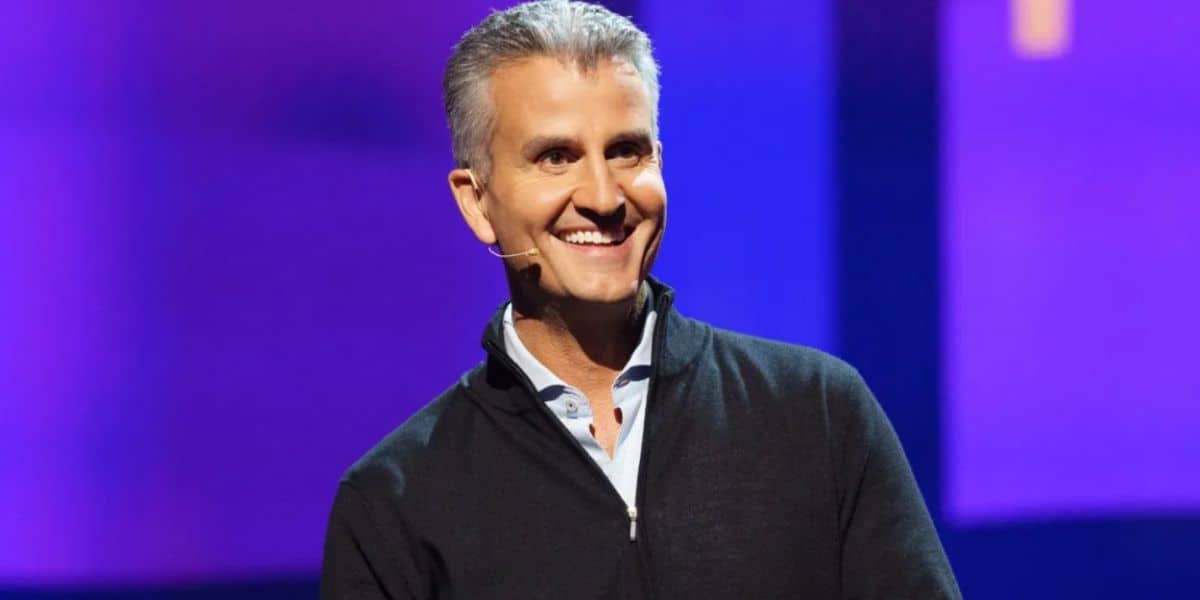
Under the leadership of Disney CEO Josh D’Amaro, the company has leaned heavily into “frictionless technology.” The goal is to meet guests where they already are: on their phones.
The Technology Comparison
| Feature | MagicBand+ | Disney MagicMobile |
| Cost | $34.99 – $64.99 | Free |
| Battery Requirement | Needs regular charging | Uses phone battery |
| Interactive Features | Vibrates/Glows during shows | Minimal (haptic feedback) |
| Ease of Entry | Tap to enter | Tap to enter |
| Loss Risk | Can fall off wrist | High (don’t drop your phone!) |
For a park like Disneyland, which is local-heavy, the value proposition of a $50 wristband is much lower than at Walt Disney World. If a guest can simply double-click their Apple Watch to scan into Lightning Lane Multi Pass, the incentive to buy and charge a separate device vanishes.
The “California Problem” vs. The “Florida Bubble”
It is important to note that this rumor is currently centered on Disneyland Resort. There is a distinct cultural difference between how guests vacation in Anaheim versus Orlando.

“At Walt Disney World, you’re in a week-long bubble. At Disneyland, you’re often there for a day or an evening. You don’t need a wearable ecosystem for a four-hour visit to Galaxy’s Edge.”
Disneyland has a massive population of Magic Key holders. These locals are tech-savvy and usually prefer the convenience of the Disneyland App over a silicone strap. While MagicBand+ brought some fun interactive “Bounty Hunter” games to Star Wars: Edge of the Galaxy, the engagement levels in California reportedly haven’t justified the manufacturing and overhead costs of keeping the bands in stock.
The Infrastructure Question: Will My Current Bands Still Work?
If Disney does stop selling MagicBands, it doesn’t mean they will stop working. The infrastructure for the bands—the RFID “Touchpoints” at park entrances and Lightning Lanes—is expensive to install and even more expensive to remove.

Even if the retail sales end, the park’s hardware is expected to support existing bands for several more years. The Bluetooth and RFID tech used in MagicBand+ are industry-standard. However, if the internal lithium-ion battery in your band dies and Disney is no longer selling chargers or replacements, your “retired” band effectively becomes a colorful bracelet.
Is This Part of the “Project Spark” Digital Shift?
In recent quarterly calls, Josh D’Amaro has spoken extensively about “Project Spark,” an internal initiative to modernize the Disney guest experience. Part of this shift involves moving away from proprietary hardware (such as the MagicBand) toward software-based solutions.
By moving the “Magic” to the guest’s own device (iPhone, Android, Apple Watch), Disney saves millions in:
- Manufacturing Costs: No more sourcing plastic, chips, or batteries.
- Shipping & Logistics: No need to manage global inventory levels for thousands of SKUs.
- Environmental Impact: Reducing the amount of “e-waste” generated by millions of discarded silicone bands.
Conclusion: Should You Buy One While You Can?
If you are a hardcore collector or a fan of the haptic feedback during “World of Color” or “Fantasmic!”, the dwindling availability at Disneyland is a major “Code Red.”

If the rumors are true, the MagicBand will transition from a ubiquitous park staple to a niche “legacy” item, much like the physical FastPass tickets of the early 2000s. We may see them continue to thrive at Walt Disney World due to the “Resort Bubble” effect, but for the West Coast, the future looks increasingly hands-free.
Our Advice: If you see a limited-edition design you love at the Emporium this week, buy it now. By the time the summer season hits, the only place to find a MagicBand in Anaheim might be in a shadowbox on a collector’s wall.
Are you ready to say goodbye to the MagicBand, or do you find the phone-only approach too cumbersome? Let’s discuss in the comments below!





I love the wristbands!! It keeps people off their phones and more aware of the surroundings. It was fun receiving them in the mail when you booked a reservation at a Disney Resort. Mine never fell off my wrist. They were easier to use than always holding your phone in your hand or pulling it out of a pocket or purse. Sorry to see these go.
Well. This is interesting. Cause Disney was also saying they want to ban and restrict cell use in park. The magicband made sense. But yes, Disneyland was never big on magicbands like in Florida and started in it late. I like the bands. I have one original and one +. I worry about going to phone only as not everyone in the party brings their phone and could slow down entry if have to switch to each member on 1 phone.
The reason the sales have dipped is the cost. It was one of the few things you got free with your reservation. It was much easier to use, instead of walking around on your FAMILY VACATION with your phone continually in your face. If needed, you can still go on My Disney Experience for things like ordering quick serve, checking times for meet & greets and wait times for rides. I resent having to be dependent on my phone for everything, it ruins your time at Disney, especially with your family. We have our phones in our face every day. Vacation should be a break from electronics.