

For anyone who grew up in the ’90s or early 2000s, the Disney Store wasn’t just a place to buy a t-shirt; it was a sanctuary. You knew you were close when you smelled that specific, clean “Disney scent.” You knew you’d arrived when you saw the giant mountain of plush toys—a soft, towering Everest of Mickey, Simba, and Stitch. For twenty minutes, you weren’t in a suburban mall in Ohio or a shopping center in Kent; you were in the Kingdom.

Then came 2021. In a move many fans characterized as “soul-crushing,” Disney shuttered nearly all its standalone retail locations, pivoting to a sterile “shop-in-shop” model at Target and to a purely digital presence. But as of April 2026, the wind is shifting.
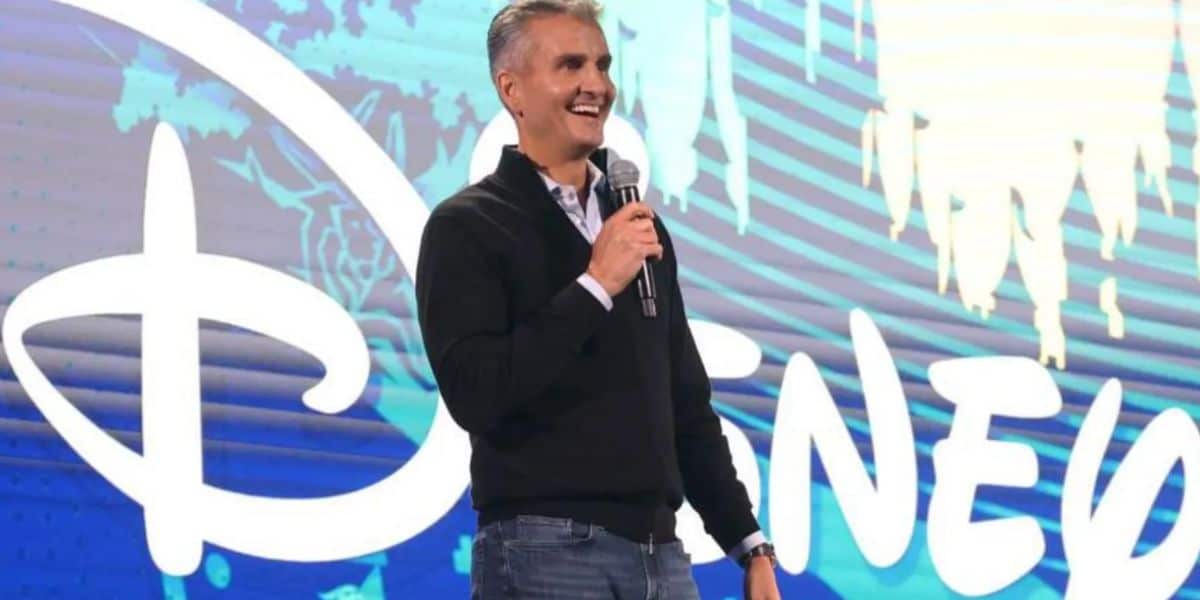
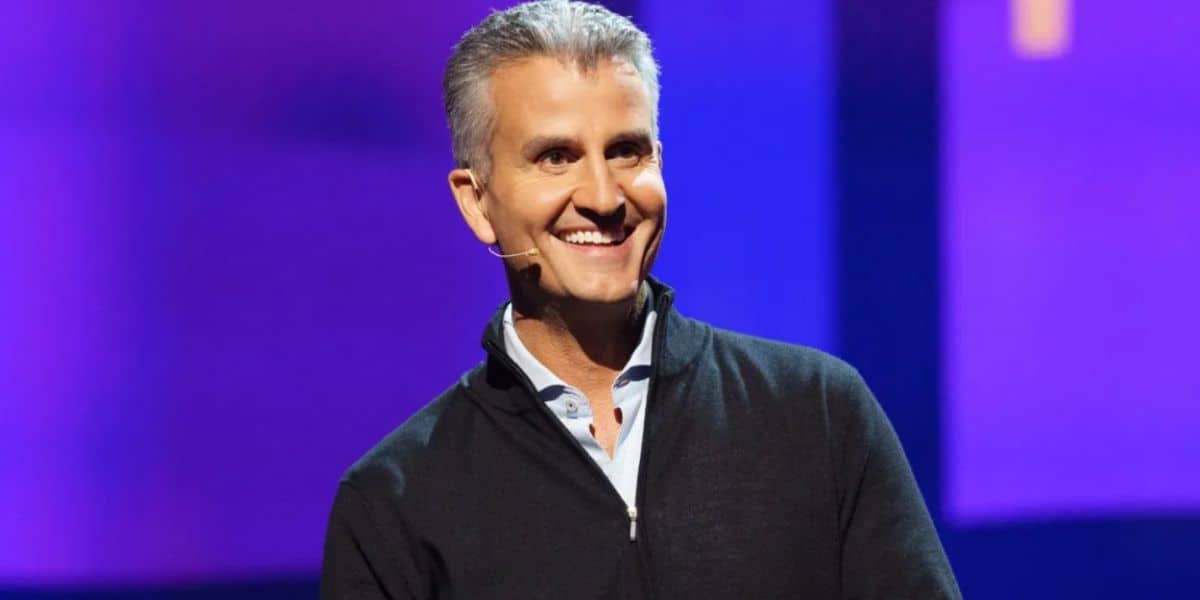
With Josh D’Amaro officially taking the reins as CEO following Bob Iger’s retirement in March, the rumor mill is spinning at high velocity. A viral report suggests that D’Amaro is preparing to do the unthinkable: Bring the standalone Disney Store back to life.
The “Parks Guy” at the Helm
To understand why this rumor has weight, you have to look at the man in the big chair. Unlike his predecessors, who often viewed Disney through the lens of box office numbers or streaming subscribers, Josh D’Amaro is a “Parks and Experiences” veteran.
D’Amaro spent years as the Chairman of Disney Experiences, where he became famous for “walking the floor.” He was the executive who took selfies with guests at 11:00 p.m. on Main Street, U.S.A., and who obsessively studied how physical environments create emotional bonds. He understands that a 20-foot aisle at Target—tucked between home décor and electronics—cannot replicate the feeling of a “magic mirror” that talks back to a child.
Insiders suggest that D’Amaro views the current retail strategy as a “missed emotional connection.” If his goal for 2026 is to revitalize the brand’s direct relationship with its fans, the return of physical stores is the most logical move.
Why 2021’s Strategy Failed the “Vibe Check”
The 2021 retail purge was a classic “spreadsheet decision.” By closing physical stores, Disney saved millions in high-end mall leases and labor costs. They moved the bulk of their sales online and partnered with Target to maintain a physical footprint without the overhead.
On paper, it worked. But in practice, the brand took a hit.
- The “Magic” Gap: For millions of families who live thousands of miles from Florida or California, the Disney Store was their only physical touchpoint with the brand.
- The Loss of Discovery: Online shopping is functional, but it isn’t “fun.” You go to a website to find something specific; you go to a Disney Store to be surprised.
- The Quality Decline: Without their own flagship stores to showcase premium items, much of the merchandise shifted toward “mass-market” quality to fit the Target demographic.
D’Amaro reportedly wants to close this “Magic Gap” by creating a new retail model that isn’t just about selling plastic—it’s about selling an Experience.
Disney Store 2.0: The “Experience-First” Blueprint
The rumor, as amplified by the Disney community this week, doesn’t suggest a return to the dark, neon-lit mall shops of 1996. Instead, D’Amaro is reportedly looking at “Disney Experience Centers.” Imagine a retail space that functions as a “mini-hub” for the entire Disney ecosystem:
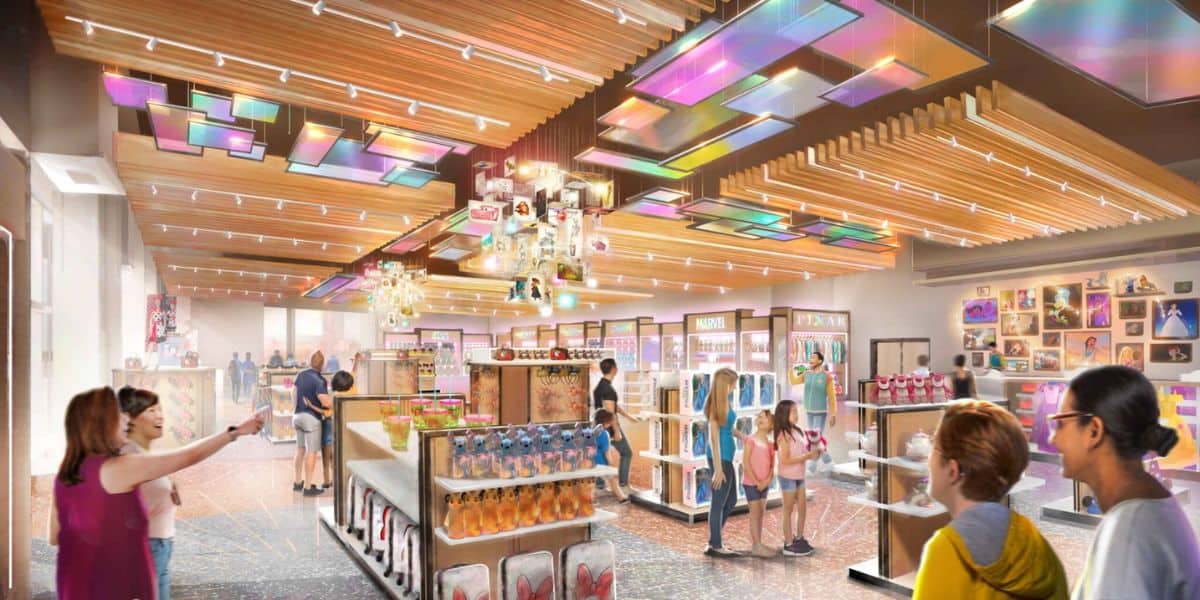
- The “Believe” Kiosks: Using the technology developed for the parks, these stores could feature interactive portals where guests can preview upcoming lands, like the Monsters, Inc. expansion at Hollywood Studios.
- Park-Exclusive Merch: For the first time, “Resort-only” items—the kind people currently pay 3x the price for on eBay—could be made available via limited-time “drops” in these stores.
- MagicBand+ Integration: Your MagicBand+ could interact with the store’s displays, unlocking hidden animations or personalized greetings, just like it does in the parks.
- Direct Booking: A dedicated “vacation planning” desk where experts help families book their first Disney Cruise or Aulani getaway in person.
The Global Proof of Concept
If you think standalone retail is dead, Disney’s international divisions are already proving you wrong. In Summer 2026, Disneyland Paris is launching “Disney Wonders,” a massive, highly themed flagship in Disney Village focused on “storytelling retail.”
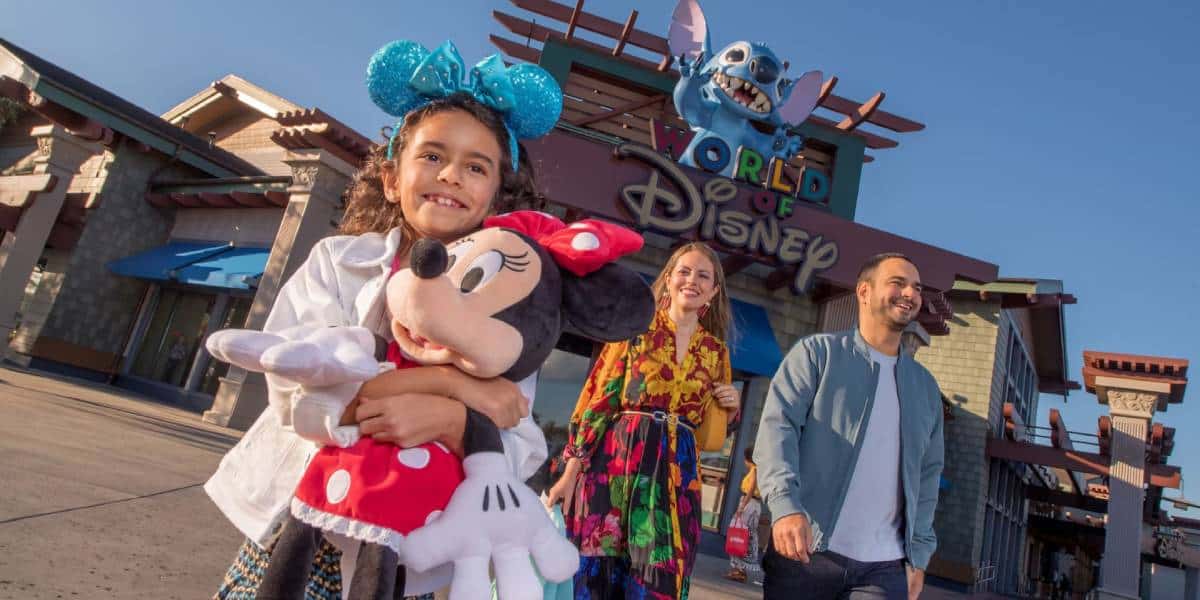
Furthermore, the recent success of Disney Store pop-ups in Australia and the continued dominance of the Times Square flagship demonstrate a massive appetite for physical Disney spaces. D’Amaro is reportedly looking at these “beacons” as the prototype for a North American rollout in major city centers—think less “local mall” and more “high-street destination.”
The Business Logic: Data and Loyalty
Beyond the “pixie dust,” there is a cold, hard business reason for D’Amaro to do this. In 2026, first-party data is everything. When you shop at Target, Target gets your data. When you shop at a Disney Store, Disney knows what you like, which characters your kids are gravitating toward, and when you’re most likely to book a trip.
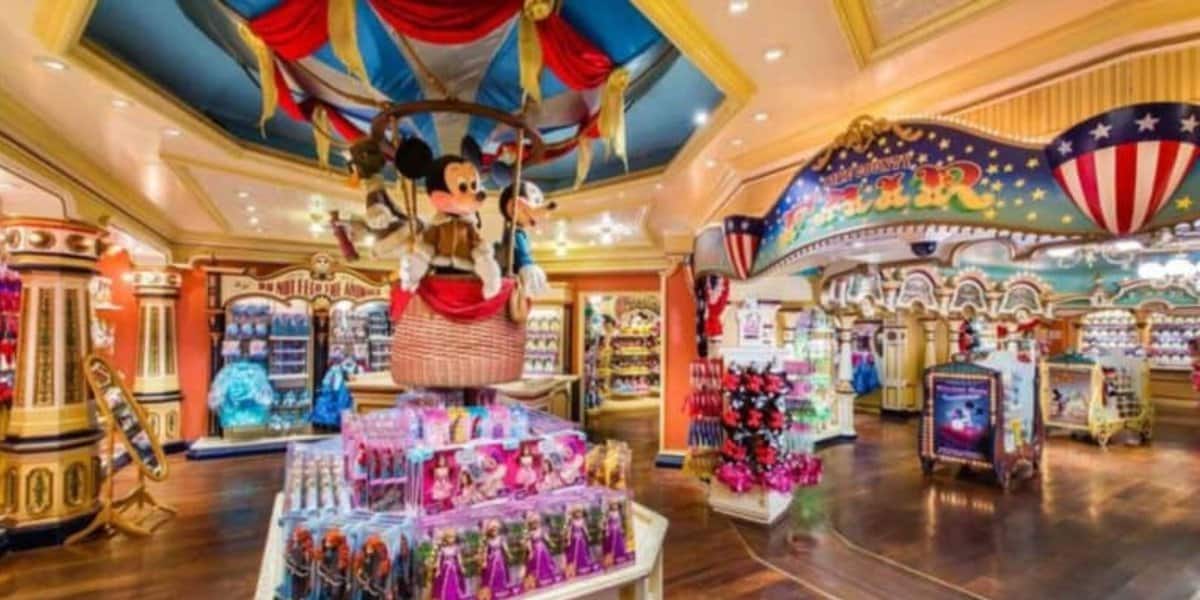
A physical store is a 365-day-a-year advertisement for Disney+, Disney Parks, and Disney Cruise Line. It is a customer acquisition tool that effectively pays for itself through merchandise margins.
Conclusion: A New Chapter for the Fanbase
While we are still waiting for the official press release from Burbank, the shift in tone at the top is undeniable. Josh D’Amaro knows that The The Walt Disney Company is at its strongest when it feels like a family, not a conglomerate.
By bringing back the Disney Store, he wouldn’t just be opening a retail chain; he would be reopening the doors to the magic for millions of people who have felt left out in the cold since 2021. If the rumors are true, the “mountain of plush” might just be coming to a city near you very soon.


I think this would be fantastic ! My kids were born in the early 90’s, and we vacationed at WDW everytwo years full force … The Disney stores always gave us our ” dose” in between and added to the anticipation as our next vacation approached . The one in our local mall even had enough room for a small stage, which I was always surprised Disney didn’t pursue further with various presentations from maybe running old shows to ” Meet & Greet “. This would be such a great comeback as now, I have a little grandaughter I’d like to ” create memories ” with…. That would start at a well presented Disney Store ….