
The cost of flying to a Disney destination has never been a small variable in the overall vacation budget, but it has typically been a predictable one.

Guests book their flights, lock in their fares, and calculate the rest of the trip knowing roughly what the travel portion is going to cost. That predictability just got disrupted. Six major U.S. airlines have raised their checked baggage fees over the course of the past two weeks, with four of them making the change effective for tickets purchased within the last several days.
Delta, Southwest, Alaska, Hawaiian, and American have all joined JetBlue and United in raising first and second bag fees, and the increases are consistent enough across carriers that there is no easy way to avoid them by switching airlines.
The timing lands directly in front of summer Disney travel season, when families are booking Florida and California trips in volume and when checked luggage is essentially unavoidable for most groups. Airlines have attributed the increases to fuel costs, specifically the sharp rise in jet fuel prices tied to the ongoing Iran conflict. Whatever the explanation, the new rates are real and they are in effect now for new bookings. Getting ahead of how they affect a Disney trip budget before you finalize your travel plans is worth doing today, per SF Gate.
The Fee Increases, Carrier by Carrier
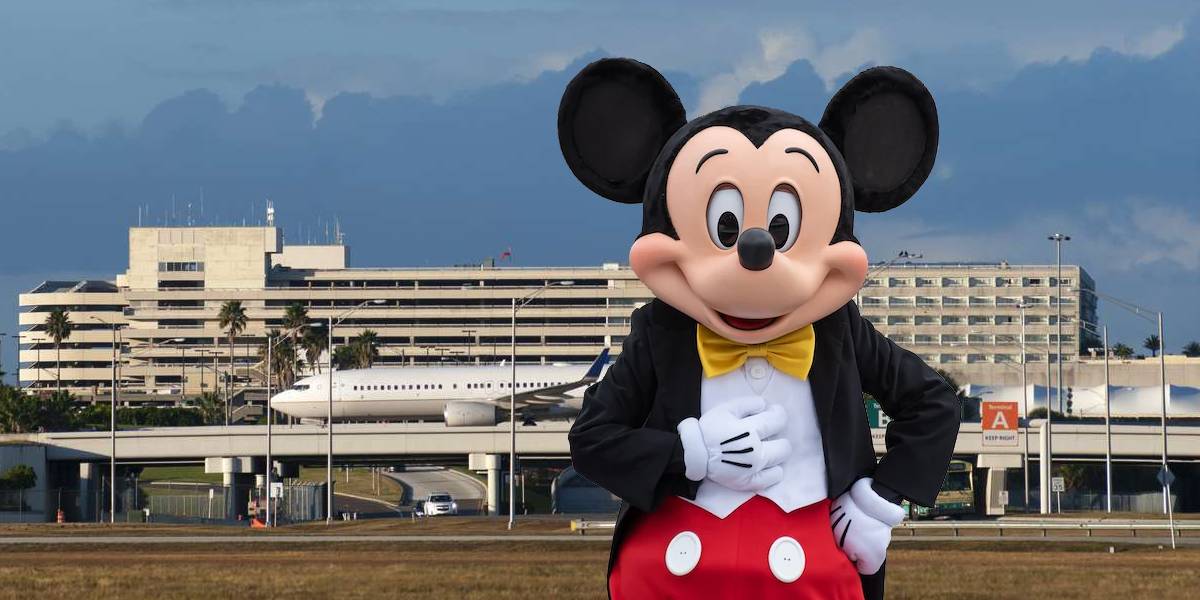
Delta moved its first bag fee from $35 to $45 and its second from $45 to $55, effective for flights booked on or after April 8. A third checked bag now costs $200, a $50 increase. The new rates apply to domestic flights for main cabin and Delta Comfort passengers. Long-haul international baggage fees are unchanged. Fee waivers remain for SkyMiles elite members, Delta co-branded credit card holders, and premium fare purchasers.
American Airlines raised its prepaid first bag fee from $35 to $45 and its second from $45 to $55. Without prepayment, the first bag is $50 and the second is $60. These rates apply to domestic flights and routes to Canada, Puerto Rico, and the U.S. Virgin Islands for tickets purchased on or after April 9. The usual exemptions for AAdvantage elite members, American credit card holders, premium seat purchasers, and active military remain in place.
In a separate policy update, American tightened its rules for basic economy passengers. Starting May 15, those travelers will pay $50 to $55 for the first bag and $60 to $65 for the second on domestic flights. For basic economy tickets purchased on or after May 18, all customers regardless of elite status will need to pay for seat selection and will not be eligible for complimentary upgrades. AAdvantage members without elite status or co-branded credit cards who purchase basic economy will be moved to Group 7 boarding later this year.
Southwest raised its first bag fee from $35 to $45 and its second from $45 to $55, effective for tickets booked on or after April 9. A-List elites and Rapid Rewards credit card holders still receive the first bag free. A-List Preferred members and Choice Extra fare purchasers still get two bags free.
Alaska and Hawaiian Airlines increased their first bag fee to $45 and their second to $55, effective April 10, up from $40 and $45 respectively. The third bag moved to $200, up from $150. The $5 prepayment discount was eliminated. Atmos Rewards elites and card holders, and premium cabin passengers, retain their free bag allowances.
How This Changes the Math for a Disney Trip
The impact compounds quickly for families. A family of four checking two bags each on a round-trip Disney trip on Delta is paying $320 in baggage fees under the new rates, versus $280 under the old ones. That $40 difference may sound modest but it arrives on top of every other cost increase those families are already navigating. Multiplied across multiple bags, multiple travelers, and potentially both legs of a trip where bag count expands on the return, the gap adds up.
The most efficient response for Disney travelers who do not already have airline elite status is to evaluate whether a co-branded credit card with the airline they fly most frequently makes financial sense before the next trip. Delta, American, Southwest, Alaska, and United all offer credit cards that waive checked bag fees for cardholders, and at current fee levels the math on an annual fee versus bag fee savings is favorable for families who travel even twice a year.
For travelers who are booked on basic economy fares, the American changes in particular warrant a close look. The combination of new bag fees, mandatory seat selection fees, and Group 7 boarding for AAdvantage members without status or cards significantly narrows the savings case for choosing that fare class over main cabin on trips where luggage and seat preferences matter.
Southwest’s New Power Bank Policy

Southwest announced separate restrictions on portable lithium battery chargers, effective April 20. Passengers are limited to one power bank per person, up to 100 watt-hours. Power banks cannot go in overhead bins and must be kept in under-seat bags or on the person during flight. They can only be used in flight if visible.
This change has specific relevance for Disney-bound travelers. Portable chargers have become standard equipment for theme park days, where smartphones run the My Disney Experience app, mobile ordering, Lightning Lane booking, and wait time monitoring continuously from morning to close. The FAA documented 97 in-flight lithium battery incidents involving smoke, fire, or extreme heat in 2025, up from 39 in 2020, providing the public safety context for the tightening rules. Packing a compliant single charger and keeping it accessible throughout the flight rather than storing it overhead is a simple adjustment.
What the Loyalty Program Rankings Say Right Now
WalletHub’s 2026 annual report on airline loyalty programs ranked Alaska Airlines’ Atmos Rewards first for the third year in a row, followed by United, Delta, American, JetBlue, and Southwest. In terms of raw rewards value per dollar spent, Frontier led at $13.92 per $100 spent, with Alaska second at $9.58 and United eighth at $4.37. The report found that the top ten airlines are offering on average 5 percent more rewards value than in 2025. One data point worth flagging for anyone considering buying miles before a Disney trip: WalletHub found that airline miles cost an average of 2.5 times more than their value when purchased rather than earned through flying or spending.
Before you finalize any flights for an upcoming Disney vacation, run the numbers on baggage fees under the new rates for your carrier and fare class. Our Disney travel guide has current airline fee information, packing guidance for Disney trips, and advice on making the most of loyalty programs before your travel dates. Check it and make sure your travel budget is working with current numbers, not last month’s.