Walt Disney World is famous for its immersive storytelling, where every detail is curated to keep the “real world” at bay. But there is one resident of Central Florida that refuses to follow the script: Alligator mississippiensis. As we enter April 2026, the Florida sun isn’t just bringing out the spring break crowds; it is triggering a biological clock in the state’s apex predators.
According to recent reports from WDW Active Crime, alligator activity is surging across the 25,000 acres that make up the Disney Resort. As mating season begins, these reptiles are moving into areas where guests might not expect them. For families visiting the “Most Magical Place on Earth” this spring, understanding the risks of alligator mating season is no longer just a bit of Florida trivia—it is a vital safety requirement.
The Biological “Perfect Storm” of April 2026
Why is this month specifically so dangerous? Alligator behavior is dictated by two primary factors: temperature and hormones.
As cold-blooded creatures, alligators spend the winter months in a state of semi-dormancy. However, as April temperatures consistently hit the 80s and 90s, their metabolisms kick into high gear. This makes them active, mobile, and—most importantly—hungry.
Simultaneously, April marks the beginning of courtship. During this window, male alligators become incredibly territorial and prone to wandering. A male gator that has spent all year in a remote swamp may suddenly decide to trek across a golf course, a parking lot, or a resort canal in search of a mate or to defend his territory. This “wandering phase” is when human-alligator encounters at Disney World peak, as the animals move through the highly manicured “guest zones” of the property.
The “Highway” System: Disney’s Interconnected Waterways
One of the reasons Disney World is so susceptible to alligator movement is its brilliant, yet permeable, infrastructure. To keep the parks from flooding during Florida’s notorious summer storms, Disney is built on a massive network of canals, retention ponds, and lagoons.

To an alligator, these aren’t “thematic elements”—they are a high-speed highway system.
Resort Hotspots to Watch
- The Sassagoula River: Guests staying at Disney’s Port Orleans Resort (Riverside & French Quarter) often enjoy the scenic boat rides to Disney Springs. However, this winding waterway is a prime corridor for alligators. During mating season, it is common to see gators sunning themselves on the banks just feet away from guest walkways.
- Coronado Springs & Lago Dorado: The massive lake at the center of this resort is beautiful, but its size makes it a magnet for larger gators looking to establish dominance.
- The Fort Wilderness Canals: Because Disney’s Fort Wilderness Resort & Campground is the most rustic and wooded area on property, it naturally has the highest frequency of wildlife sightings. The small creeks that weave between the campsites are easily accessible to wandering reptiles.
The Legacy of 2016: Why Disney Isn’t Taking Chances
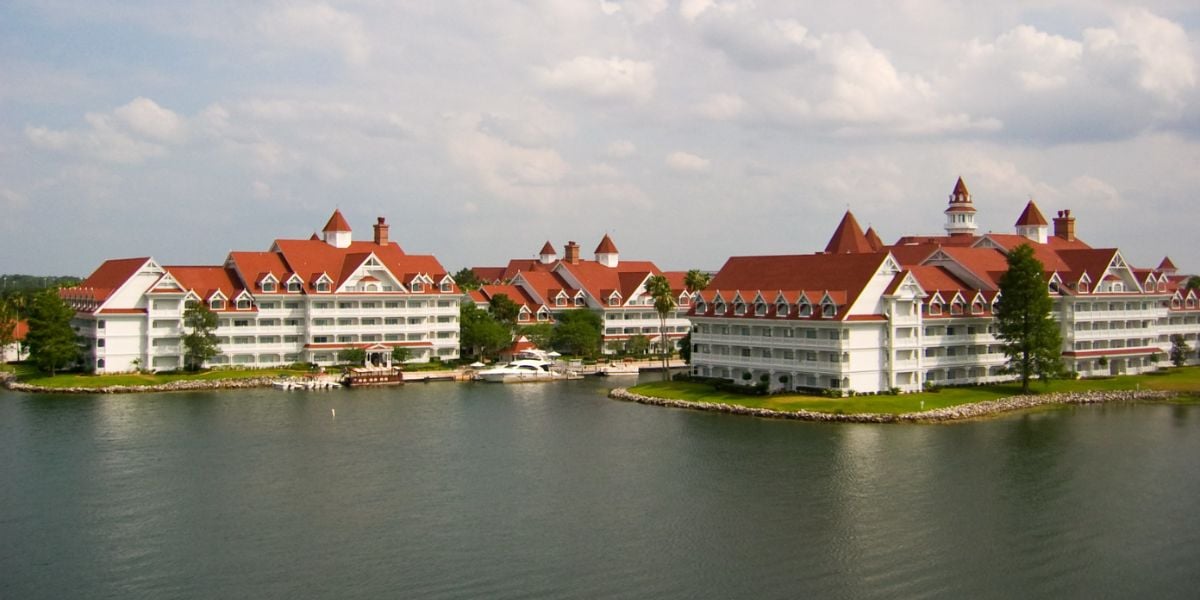
It is impossible to discuss alligator safety at Disney World without acknowledging the 2016 tragedy at the Grand Floridian Resort & Spa. That event fundamentally changed how Disney manages its waterways.
Today, the “Disney Bubble” is reinforced with physical and operational barriers:
- Reinforced Shorelines: Most beaches at the Magic Kingdom-area resorts now feature large rock barricades and fencing designed to prevent alligators from easily sliding out of the water.
- The SNAP Program: Disney works closely with the Statewide Nuisance Alligator Program (SNAP). Any alligator spotted on property that is over four feet long or shows a lack of fear toward humans is immediately trapped and removed.
- Aggressive Signage: In 2026, you cannot walk ten feet near a body of water at Disney without seeing a “Danger: Alligators and Snakes” sign. These are not merely for legal liability; they are active warnings of a present threat.
How to Stay Safe: Rules for the Spring Traveler
While Disney’s wildlife management team is world-class, they cannot be everywhere at once. Safety ultimately falls on the guest. During mating season, you should treat every body of water—from the massive Seven Seas Lagoon to a tiny retention pond behind a bus stop—as if it contains an alligator.
1. The 60-Foot Rule
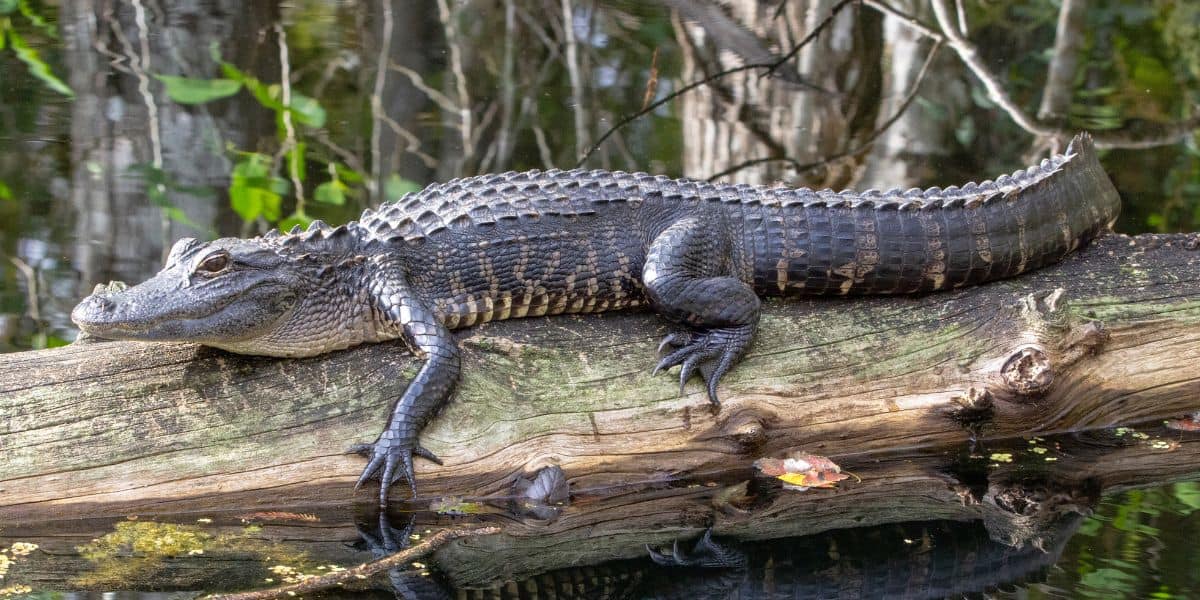
Experts suggest keeping at least 60 feet of distance between yourself and any alligator. If you see one sunning itself, do not approach it for a photo. While they look sluggish, alligators can lunge forward at speeds of up to 30 mph on land. By the time you realize it’s moving, it’s already too late.
2. Avoid the “Vulnerable Hours”
Alligators are crepuscular hunters, meaning they are most active at dusk and dawn. This is also the time when many families are walking to the monorail or heading back to their rooms. If your resort path takes you near water, stay in well-lit areas and keep your eyes on the shoreline.
3. Supervise Small Children and Pets
To an alligator, a small child or a dog looks like natural prey. Never allow children to play at the water’s edge, even if there is a fence. Alligators are ambush predators; they strike from below the surface with incredible speed. If you are at a dog-friendly resort like Disney’s Yacht Club, keep your pet on a short leash and away from the grass bordering the water.
4. The “No Feeding” Mandate
Feeding a “cute” bird or turtle near the water might seem harmless, but it attracts alligators. More dangerously, feeding a gator directly teaches it that humans equal food. A “fed gator is a dead gator,” as they must be euthanized once they lose their natural fear of people.

What to Do If You Spot a Gator
If you see an alligator during your April 2026 trip, stay calm.
- Do Not Throw Things: Do not try to get the animal to move or “react” for a video.
- Alert a cast member: Disney has a protocol for every sighting. Provide the location and an approximate size of the animal.
- Keep Your Distance: Use your phone’s Zoom feature if you want a picture, but stay on the paved walkway.
Conclusion: Respecting the Florida Reality
Disney World is a triumph of imagination, but it is built in the heart of the Florida Everglades. During the spring mating season, the boundary between the “Magic” and the “Wild” becomes thin.
By staying alert, respecting the signage, and understanding that the waterways are a habitat first and a decoration second, you can ensure your family’s vacation remains a dream rather than a headline. Enjoy the parks, enjoy the weather, but always keep one eye on the water.