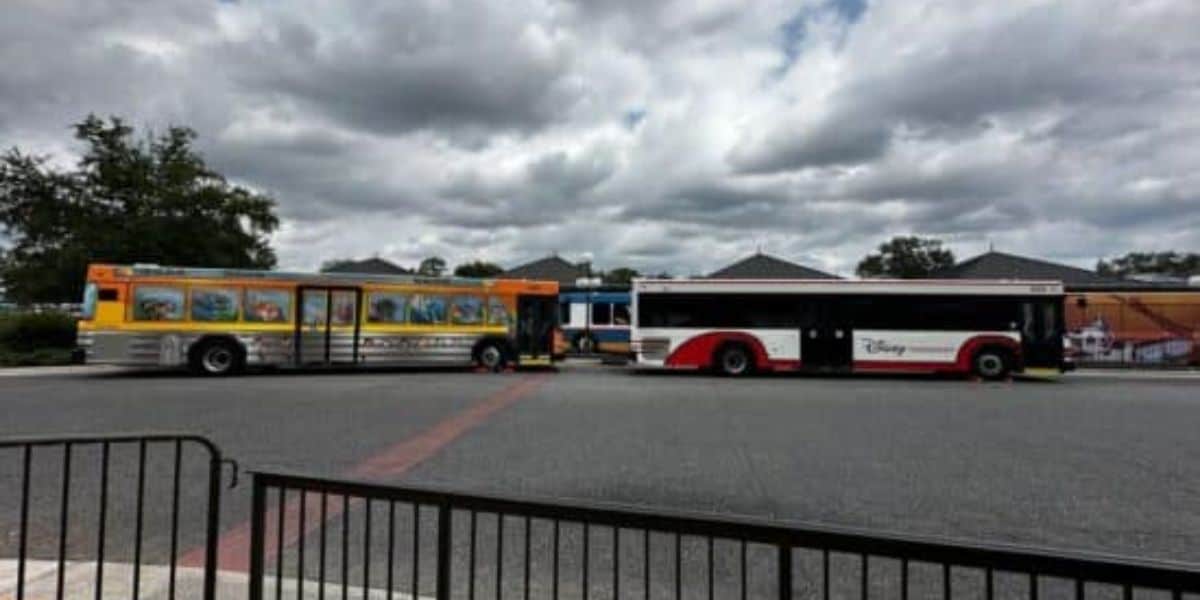
If you’ve spent any time at a Walt Disney World bus loop over the last few years, you’re familiar with the “unspoken rule” of the road: anyone can ride. Whether you were staying at a luxury resort, a budget motel off-property, or just visiting for the day, the iconic white-and-red buses were the reliable, free-of-charge arteries of the vacation kingdom.

But as of March 29, 2026, the “unspoken rule” has been replaced by a very loud, very firm restriction. In the midst of one of the most crowded Spring Break and Easter seasons in Orlando history, Walt Disney World has reportedly begun restricting bus ridership to onsite resort guests only.
The move marks a significant shift in Disney’s operational strategy. As the parks grapple with triple-digit wait times and a logistical “perfect storm,” the company is prioritizing the guests who have paid the highest premium to be there.
The New Reality: Scanners at the Gates
The shift isn’t just a suggestion; it’s an enforcement. Guests at the four main theme parks—Magic Kingdom, EPCOT, Hollywood Studios, and Animal Kingdom—are reporting a new security layer at the bus bays. Cast Members equipped with hand-held tablets and mobile scanners are now checking every party before they are allowed to enter the queue for a resort bus.
To board, you must provide proof of a current stay at a Disney-owned and operated resort. This includes:
- Scanning a MagicBand or MagicBand+ linked to an active reservation.
- Presenting a Digital Room Key via the My Disney Experience app.
- Showing a “Key to the World” card for those without mobile devices.
If you are staying at an offsite “Good Neighbor” hotel or a vacation rental, you are being politely—but firmly—directed toward the ride-share loops or the parking lot trams. For the first time in recent memory, the “Disney Bubble” has a hard, logistical border.
The “Pressure Valve” Strategy: Why Now?
The decision to restrict transportation comes at a moment when Disney World is under immense physical strain. The March 2026 season has seen record-breaking attendance, with headliners like Avatar Flight of Passage and Star Wars: Rise of the Resistance regularly reaching 210-minute wait times.

By locking down the bus system, Disney is attempting to pull three specific levers:
1. Protecting the “On-Site” Premium
With resort prices during the Easter peak reaching as high as $\$600$ to $\$900$ per night, the value proposition for staying on-property has never been under more scrutiny. High-paying guests were reportedly becoming vocal about 45-minute waits for buses that were being filled by “Day Trippers” or guests staying at offsite Airbnbs. This policy ensures that the “Resort Benefit” is exclusive and functional.
2. Ending the “Disney Springs” Parking Hack
For years, savvy locals and budget travelers used a well-known loophole: parking for free at Disney Springs, taking a bus to a resort near a theme park, and walking the rest of the way. This allowed them to avoid the $30 to $35 daily parking fee. By requiring resort verification at the bus bays, Disney is effectively killing this “hack,” forcing guests back into the revenue-generating parking lots.

3. Managing the Driver Shortage
Like many industries in 2026, Disney Transportation is still grappling with staffing challenges. By narrowing the pool of eligible riders, the company can theoretically run fewer buses more efficiently, reducing the strain on its existing fleet of drivers.
The D’Amaro Context: A CEO’s “Baptism by Fire”
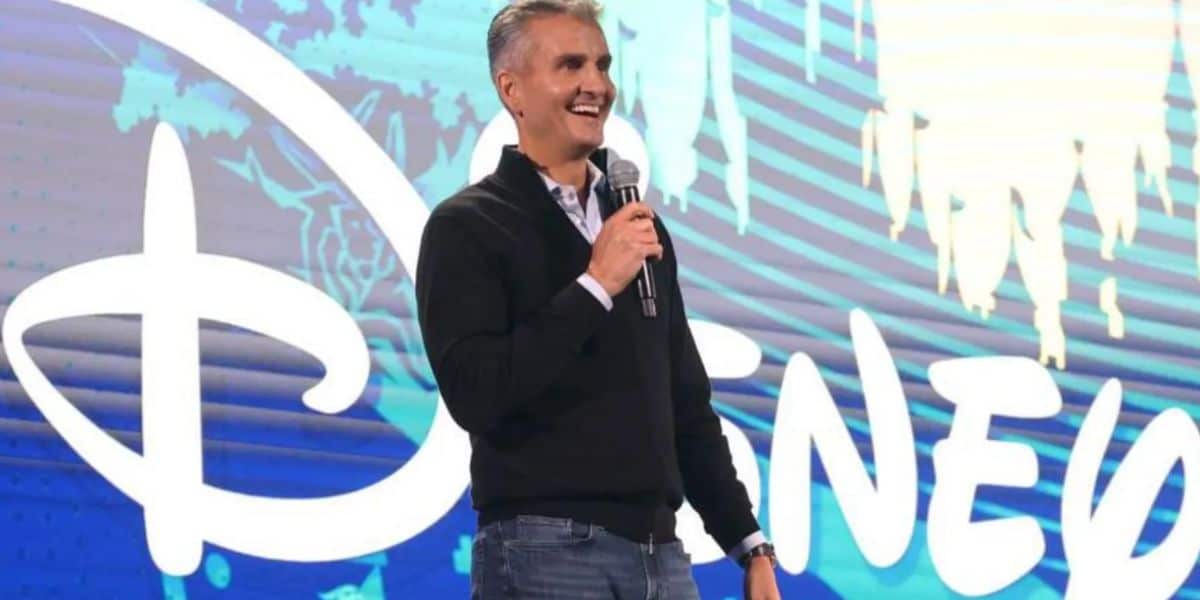
This policy shift is one of the first major “hard choices” made under the administration of Josh D’Amaro, who officially became CEO in mid-March. D’Amaro’s first month has been anything but magical. From a $1 billion OpenAI tech divorce to the $50 million cancellation of The Bachelorette, the new CEO is clearly focused on protecting the core brand and its most profitable segments.
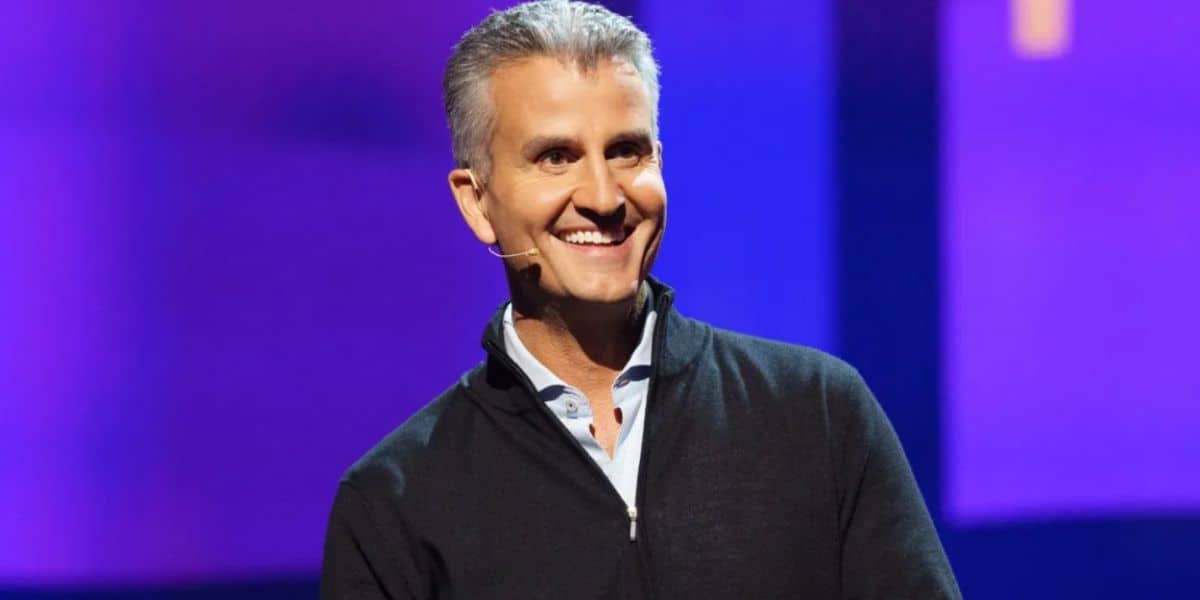
The bus restriction aligns with D’Amaro’s “Brand First” philosophy. While it may alienate the casual “Day Tripper,” it solidifies the loyalty of the “Whales”—the high-spending resort guests who keep the company’s bottom line healthy. In a week that saw ICE agents manning security at Orlando International Airport and reports of popcorn-bucket-related violence at the Flamingo Crossings cast housing, D’Amaro is using transportation as a way to “restore order” within the parks.
The Impact: Frustration for Off-Site Families
For the families staying at “Good Neighbor” hotels or using vacation rentals, the lockdown has been a jarring surprise. Many of these guests rely on the “connectedness” of the Disney parks to travel between resorts for dining reservations or to visit Disney Springs after a day at the park.

“We booked a dinner at Chef Mickey’s months ago,” says one guest from Ohio. “We’re staying off-site to save money, and now we’re being told we have to pay $25 for an Uber just to get to a dinner we’ve already paid $200 for. It feels like we’re being punished for not staying at a Disney hotel.”
The “Day Tripper” community, particularly local Florida residents, has also taken to social media to express frustration, arguing that the bus system has always been an inclusive part of the Disney experience.
Survival Guide: How to Navigate the 2026 Lockdown
If you are visiting during this restricted period, here is how to manage your logistics:
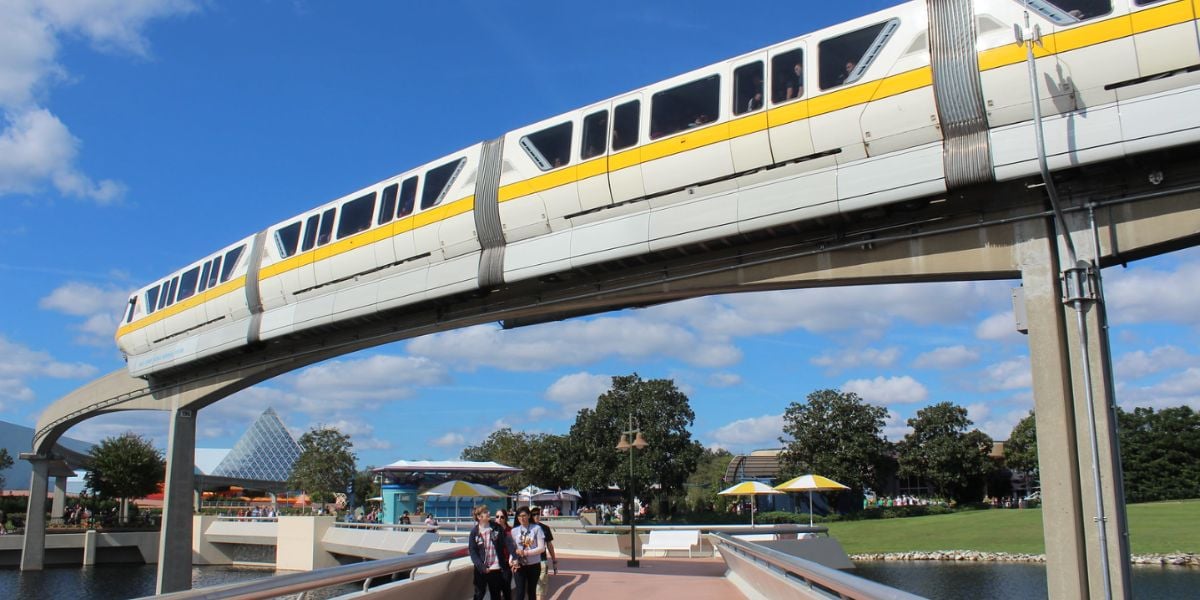
- Use the “Loophole” Transportation: As of this week, the Monorail, Disney Skyliner, and FriendShip boats are generally not requiring resort verification. If you need to get from EPCOT to a resort area, the Skyliner remains your best “free” option.
- Budget for “Minnie Vans”: If you are an offsite guest, the Minnie Van service (powered by Lyft) is still available for hire. It is expensive, but it allows you to be dropped off at the same prime locations as the Disney buses.
- Prepare for the “Scan”: If you are a resort guest, don’t be the person holding up the line. Have your MagicBand or phone ready to scan before you reach the front of the bus bay.
- Plan Dining Carefully: If you have a reservation at a resort like the Animal Kingdom Lodge, and you aren’t staying there, allow an extra hour to navigate ride-share or parking lot logistics.
Conclusion: The Tiered Future of Disney World
The 2026 Spring Break bus restriction is likely more than just a temporary holiday measure. Industry analysts see this as a “pilot program” for a tiered transportation model. In the Disney World of the future, convenience is no longer a given—it is a premium commodity.
As the Easter crowds continue to pour in and wait times remain at record highs, Josh D’Amaro is making it clear: the “Most Magical Place on Earth” is increasingly becoming a club with a very specific, and very expensive, membership.
Are you an offsite guest who was turned away from a Disney bus this week? Or are you a resort guest who is finally seeing shorter wait times at the bus loops? Share your story in the comments below!