Guests Speak Out as Federal Lawsuit Challenges Accessibility Policy at Major Florida Theme Parks
Which Parks Will Be Affected

For millions of families, a visit to SeaWorld Orlando or Busch Gardens Tampa Bay is more than just a day at a theme park—it’s a chance to make lasting memories. For guests with disabilities, those memories are often shaped by how accessible and welcoming those experiences truly feel.
That’s why even subtle changes to park policies can ripple through the community in powerful ways. Accessibility isn’t just about compliance—it’s about inclusion, dignity, and the ability to fully participate in moments that matter.
Now, a growing controversy surrounding mobility access at some of Florida’s most popular parks is drawing national attention—and guests are already reacting.
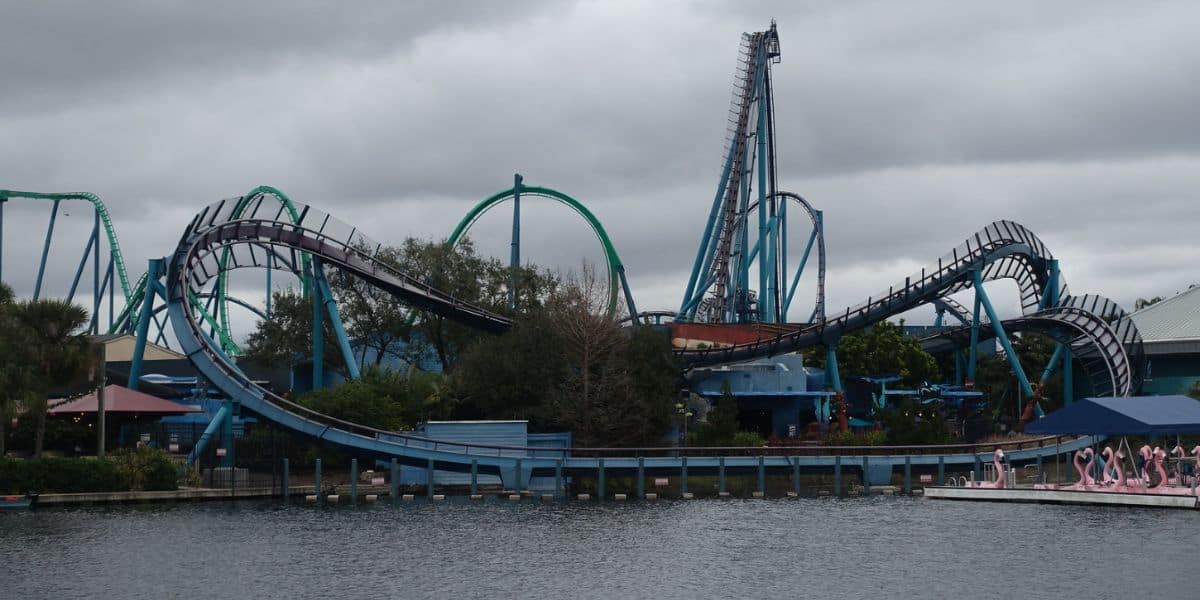
Fans Are Noticing a Growing Conversation Around Accessibility at Major Parks
In recent months, conversations among frequent visitors and accessibility advocates have intensified. Guests are sharing stories online, discussing evolving policies, and questioning whether certain changes may unintentionally impact those who rely on mobility devices.
For many, devices like rollators—wheeled walkers with built-in seats—are essential tools that make long days in expansive parks manageable. Without them, navigating large attractions, waiting in lines, or even moving between lands can become physically exhausting or impossible.
Fans are noticing that accessibility policies aren’t just operational decisions—they directly shape who gets to comfortably experience these destinations. And when those policies shift, the impact is immediate and deeply personal.

A Surprising Change Sparks Concern Among Guests Who Rely on Mobility Devices
A surprising change implemented late last year introduced new restrictions on certain mobility aids, specifically rollators with seats. While the update may have gone unnoticed by some visitors, for others, it quickly became a significant barrier.
Guests are already reacting to reports of individuals being stopped at security checkpoints and asked to leave these devices behind. For those who depend on them for rest and stability, the change has created uncertainty—and, in some cases, distress.
The emotional weight of these experiences is hard to ignore. Theme parks are designed to be immersive, escapist environments. When accessibility becomes a hurdle, it breaks that immersion and raises difficult questions about inclusivity.

The Federal Government Steps in, Escalating the Issue to a Legal Battle
That growing concern has now reached a new level. The U.S. Department of Justice has filed a lawsuit against United Parks & Resorts, alleging that the policy violates the Americans with Disabilities Act.
According to the complaint, the ban on rollators with seats may discriminate against individuals with mobility disabilities. The lawsuit also highlights specific incidents in which guests—including veterans—were reportedly denied entry with their devices at parks in Orlando and Tampa.
The Department of Justice is seeking a jury trial in Orlando and is pushing for policy changes, along with damages for affected visitors. It’s a move that signals just how seriously the federal government is treating the issue.
United Parks & Resorts has responded by defending the policy, stating it was introduced following repeated safety incidents involving misuse of rollators. The company maintains that alternative mobility options are offered at no cost to guests.

Guests Are Already Reacting as Safety and Accessibility Collide
This situation places two critical priorities on a collision course: safety and accessibility. Theme parks must ensure the well-being of thousands of daily visitors, but they also carry a responsibility to provide equitable access.
Guests are already reacting to this tension, with some expressing concern that safety measures may be disproportionately affecting those with disabilities. Others acknowledge the complexity of managing large crowds while still meeting diverse needs.
The conversation is evolving quickly, and it’s clear that this isn’t just about one policy—it’s about how parks balance operational challenges with inclusivity.
For many visitors, the question isn’t simply whether alternatives are available. It’s whether those alternatives offer the same level of independence, comfort, and dignity as personal mobility devices.

What This Could Mean for Orlando Theme Parks Moving Forward
The outcome of this lawsuit could have far-reaching implications—not just for SeaWorld and Busch Gardens, but for theme parks across Orlando and beyond.
If the court rules in favor of the Department of Justice, parks may need to reevaluate how they approach mobility device policies, potentially setting new standards for accessibility nationwide. Even if the case takes time to resolve, the spotlight alone is already prompting deeper scrutiny.
This could lead to broader conversations about how parks design guest experiences, from queue systems to transportation and security procedures. It may also encourage more proactive engagement with disability advocates when shaping future policies.
For guests, the hope is simple: that the magic of a theme park visit remains accessible to everyone.
As this legal battle unfolds, one thing is certain—fans, families, and advocates will be watching closely. Because at its core, this isn’t just a policy debate. It’s about who gets to fully experience the joy these parks promise—and how that experience is protected for years to come.