For the better part of the last four years, the relationship between the American Right and The Walt Disney Company has been characterized by scorched-earth rhetoric and multi-billion-dollar legal battles. Following the high-profile clashes with Florida Governor Ron DeSantis and the pervasive “Go Woke, Go Broke” campaigns, it seemed the bridge between the House of Mouse and conservative families had been burned beyond repair.

But as we pass the midpoint of March 2026, a surprising and unmistakable shift is occurring. The digital battlefield is quiet, and in its place, some of Disney’s most vocal critics—including Benny Johnson, Matt Walsh, and James Fishback—are beginning to offer something the company hasn’t seen from them in years: praise.
This isn’t a case of “if you can’t beat ’em, join ’em.” Rather, it is a calculated recognition of what many are calling Disney’s “Great Reset”—a return to traditional storytelling and pro-family messaging that is proving too emotionally resonant for even the fiercest culture warriors to ignore.
Benny Johnson and the “Midnight Magic” Miracle
The first major crack in the boycott wall appeared following the 98th Academy Awards on March 15, 2026. During the broadcast, Disney Cruise Line debuted a 90-second commercial titled “Midnight Magic.” Set to the soaring, bittersweet piano theme from Pixar’s Up, the ad follows a father and son through decades of midnight walks on a cruise ship—from the father rocking a fussy infant to the grown son eventually bringing his own daughter to join his aging father.
The reaction from Benny Johnson, host of The Benny Show, was immediate and startling. Johnson, who previously spent hundreds of hours on air criticizing Disney’s corporate direction, shared the ad to his millions of followers with a caption signaling a total change in tone.
“I challenge any father to watch this without crying,” Johnson posted on X. “This is family-centered, beautiful, and exactly what we have been asking for. Disney is finally righting the ship by focusing on what actually matters: the bond between a father and his children.”
Johnson’s praise highlights a strategic pivot. By highlighting the “Midnight Magic” ad, he signals to his audience that it is safe to engage with Disney again, provided the company sticks to the “traditional” values it claims were missing over the last several years.
Matt Walsh: The “Toy Story 5” Endorsement
Perhaps even more shocking is Matt Walsh’s softening stance. As a leading voice at The Daily Wire, Walsh has been the most uncompromising critic of Disney’s modern animated output, famously calling for a total abandonment of the brand following films like Lightyear and Strange World.
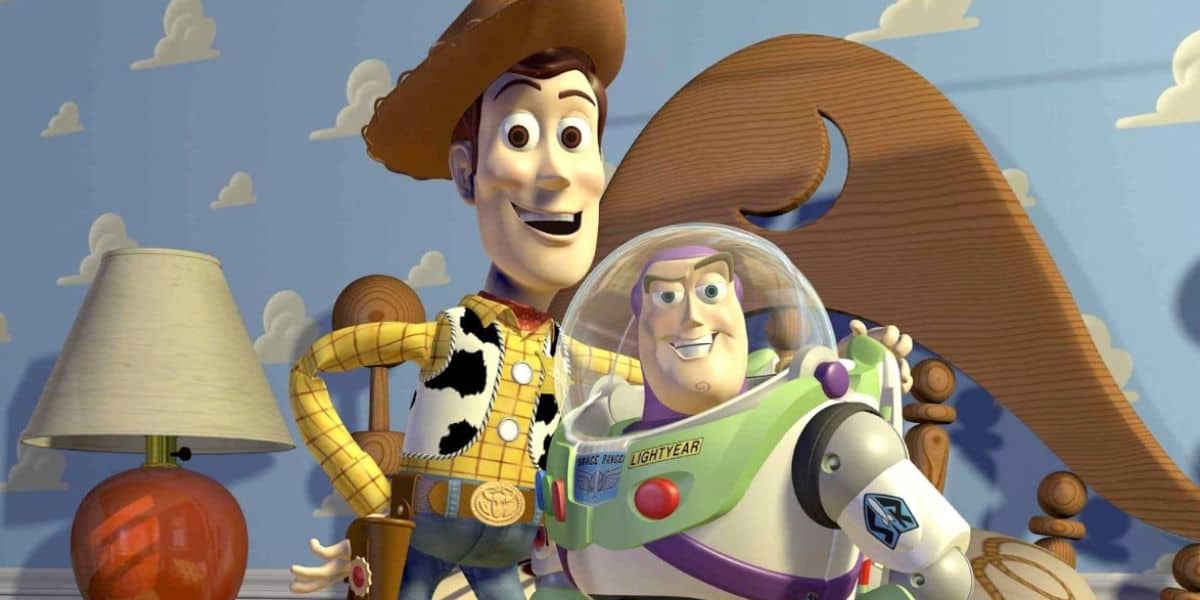
However, with the upcoming release of Toy Story 5 in June 2026, Walsh has found himself in an unusual position: a fan. Early trailers and plot leaks suggest the film focuses on Woody and Buzz reuniting to protect a new generation of toys from digital obsolescence—a theme rooted in nostalgia and classic “hero’s journey” archetypes.
Walsh has reportedly praised the film’s direction, noting that Pixar appears to have “purged the activism” in favor of the merit-based storytelling that made the original trilogy a global phenomenon. For Walsh, the support of Toy Story 5 isn’t an endorsement of Disney’s politics, but a recognition that the “boycott” may have successfully pressured the company to return to its creative roots.
The Fishback “Pardon”: A Personal Olive Branch from Iger?
The most curious development in this conservative homecoming involves James Fishback, the founder of Incubate Debate and a man who was famously banned from Disney property in 2023 following a political demonstration.
Fishback has long been a thorn in Disney’s side, but his recent rhetoric has taken a dramatic turn. In a series of posts on March 20, 2026, Fishback claimed that CEO Bob Iger personally oversaw the removal of his ban from all Disney properties. While Disney has not officially confirmed a personal meeting between the two, Fishback’s claims suggest a high-level “peace treaty” is in the works.
“Iger knows that alienating half of the country was a catastrophic business mistake,” Fishback told followers. “By removing the ban, they are signaling that the ‘war’ is over. We aren’t done holding them accountable, but the door is finally open for a conversation about what the ‘Happiest Place on Earth’ should actually look like.”
The “Iger Strategy”: Lowering the Temperature
Why is this happening now? The answer lies in Bob Iger’s long-game “neutrality” strategy. Since 2024, Iger has been on a mission to “quiet down” the political noise surrounding the company. By focusing on high-performing, traditional franchises like Toy Story and The Lion King, and pivoting marketing toward emotional, universal human experiences (like the DCL “Midnight Magic” ad), Iger has made it difficult for critics to find a “woke” hook to hang their hats on.
| Critic | Previous Posture | 2026 “Detente” Move |
| Benny Johnson | “Go Woke, Go Broke” | Praising DCL’s “Midnight Magic” Ad |
| Matt Walsh | Total Brand Abandonment | Endorsing Toy Story 5 |
| James Fishback | Banned Activist | Claiming Iger personally lifted his ban |
Conclusion: A New Era of “Conditional Magic”
The shift from Johnson, Walsh, and Fishback suggests that the era of the “unconditional boycott” is ending. In its place is an era of “Conditional Magic”—where the Right is willing to praise and consume Disney content, provided it aligns with their vision of traditional family values.

For Disney, this is a massive win. By recapturing the “middle” of the country through high-quality, emotionally resonant storytelling, they are effectively neutralizing their biggest political threats. The Mouse didn’t win the war by fighting back; it won by simply becoming “Old Disney” again.
As the 2026 summer season approaches, it appears the gates of the Kingdom are wider than they have been in years—and the critics who once vowed to burn them down are now the ones standing at the front of the line.