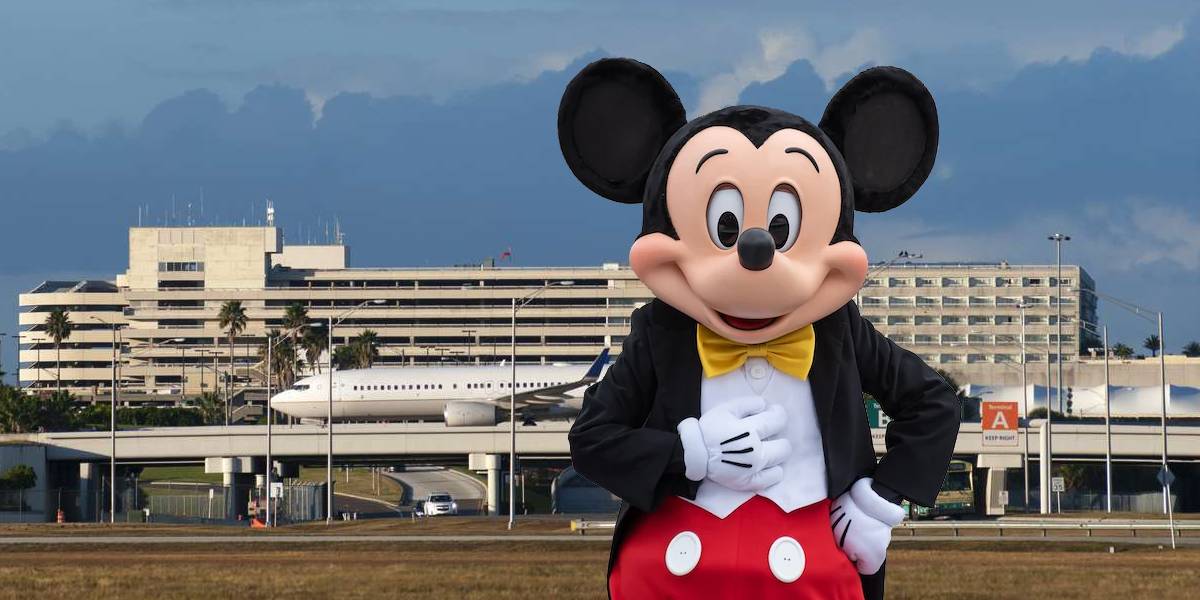

For many families, a trip to Walt Disney World isn’t just another vacation—it’s something planned months, sometimes years, in advance. Flights are booked early, itineraries are carefully mapped out, and every detail is meant to create a seamless, magical experience.
But lately, something has started to feel different.
Across travel forums and social media, guests are noticing subtle shifts—fewer flight options, rising prices, and less flexibility when it comes to planning their trips. What once felt predictable is beginning to feel uncertain, especially for those trying to lock in travel for the coming months.
And while demand for Disney vacations remains incredibly strong, the way guests get there may be quietly changing.

A Growing Concern Is Beginning to Impact Flights Nationwide
Behind the scenes, airlines are navigating a challenge that many travelers don’t immediately see—but are starting to feel.
A surprising change in global fuel prices, driven by escalating tensions in the Middle East, has created a ripple effect across the airline industry. Jet fuel costs have nearly doubled since late February, putting intense pressure on carriers already balancing high demand with rising operational expenses.
Airlines are responding carefully, but decisively.
“Fans are noticing…” fewer midweek and late-night flights, while “guests are already reacting…” to limited scheduling options that once made travel more flexible. What may seem like small adjustments at first glance could signal a larger shift in how airlines operate in the months ahead.

United Airlines Begins Cutting Flights as Costs Surge
That shift is now becoming more visible.
United Airlines has confirmed it will cut less profitable flights over the next two quarters as it prepares for a prolonged period of elevated fuel prices. CEO Scott Kirby warned employees that oil prices could climb as high as $175 per barrel and remain above $100 through 2027.
At those levels, United’s annual fuel bill would increase by roughly $11 billion—more than double what the airline earned in its most profitable year.
To offset that pressure, the airline is trimming about three percentage points of off-peak flying, including midweek, overnight, and Saturday routes. Additional reductions at hubs like Chicago O’Hare, along with continued suspension of routes to destinations like Tel Aviv and Dubai, bring total capacity cuts to around five percent.
While United expects to restore its full schedule by the fall, the immediate impact is clear: fewer flights available during certain times of the week.

Guests May Feel the Impact Without Realizing Why
For travelers heading to Walt Disney World, these changes could show up in subtle—but meaningful—ways.
Fewer flight options often mean higher prices, less flexibility, and tighter travel windows. Guests who once relied on cheaper midweek departures or late-night returns may find those options disappearing or becoming significantly more expensive.
“A surprising change…” is that demand hasn’t slowed. In fact, airlines report some of the strongest booking periods in history. That demand is allowing carriers to raise fares—even as they reduce the number of available flights.
Recent fare increases have already added about $10 each way, with analysts suggesting prices could climb another 5% to 7%. In some cases, fares have jumped as much as 15% to 20% in just a single week of bookings.
For Disney guests, that means the cost of getting to the magic could quietly become one of the biggest factors in trip planning.
Airlines Are Leaning on Higher Prices Instead of More Flights
Unlike some international carriers, most U.S. airlines—including United—don’t hedge fuel costs. Instead, they rely on raising fares and adjusting capacity to stay profitable.
This strategy is already reshaping the travel landscape.
Rather than adding more flights to meet demand, airlines are choosing to operate fewer routes at higher prices. It’s a move designed to protect profitability—but it also means some travelers may be priced out or forced to adjust their plans.
Even low-cost carriers are feeling the strain, as rising fuel and labor costs challenge their ability to offer budget-friendly options.
Still, airline executives remain confident. Strong demand is expected to continue, and major carriers are not pulling back from long-term growth plans. United alone plans to add hundreds of new aircraft over the next few years, signaling confidence in the future of travel—even if the short term looks more uncertain.

What This Could Mean for Disney World Guests Moving Forward
For now, the biggest takeaway for Disney World travelers is simple: flexibility will matter more than ever.
Booking early, comparing flight times, and being open to different travel days could make a significant difference in both cost and availability. Guests who wait too long—or rely on specific flight windows—may find fewer options than they’re used to.
At the same time, this shift could continue evolving.
If fuel prices remain high and airlines maintain reduced capacity, travel to Orlando—and other major vacation destinations—could become more competitive and more expensive in the near future.
For Disney fans, the magic isn’t going anywhere. But the journey to get there may require a little more planning than it once did.