It hasn’t even been three full months, yet 2026 is already building the kind of reputation Disney fans usually take a while to hand out. Magic Kingdom still has its charm, its classics, and the same emotional pull that keeps people coming back. But this year, the park feels harder to navigate, harder to budget for, and harder to enjoy without doing a lot of extra work first.
That’s really the issue. No one single change fully explains why 2026 feels so frustrating. Instead, it’s a combination of rising costs, heavier crowds, attraction issues, and construction that has started to reshape the experience in a way guests can actually feel.
The result is a Magic Kingdom trip that now requires more planning, more money, and more patience than many visitors expected.
The Price of Entry Keeps Setting the Tone
The first thing guests run into is the cost.
Magic Kingdom has long been the premium park at Walt Disney World, but in 2026, that difference feels even more obvious. On peak days, getting into Magic Kingdom can cost noticeably more than visiting EPCOT, Hollywood Studios, or Animal Kingdom, and that higher price immediately changes the way guests approach the day.
When families start with the most expensive park ticket, they naturally expect the day to be very high-level. That creates pressure before anyone even reaches Main Street, U.S.A.
And once inside, the spending usually doesn’t stop there.
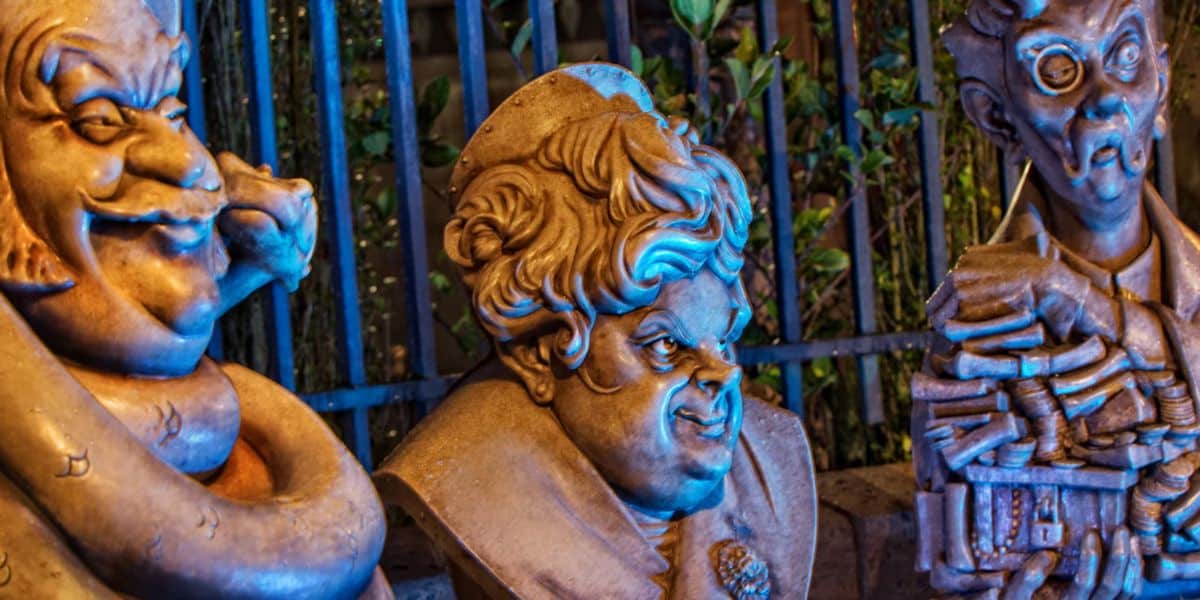
Lightning Lane No Longer Feels Like a Bonus
That’s where Lightning Lane becomes part of the bigger story.
What used to feel like an optional extra now feels much closer to a built-in cost for many guests, especially at Magic Kingdom. Crowds stay high, waits build fast, and popular attractions can eat up huge chunks of the day if you rely only on standby.
As a result, many visitors no longer see Lightning Lane as a convenience. They see it as necessary if they want to experience enough attractions to make the day feel worth the price.
That shift matters. Once a paid add-on starts feeling necessary, guests begin measuring value differently, and not always in Disney’s favor.
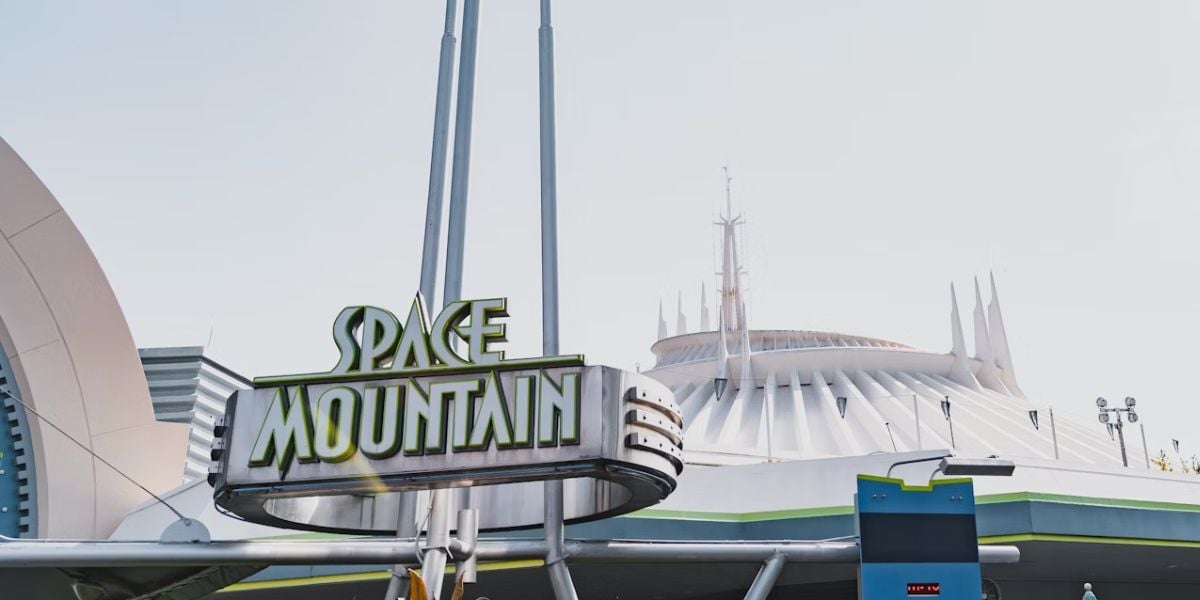
Crowds Are Making the Park Feel Heavier
Of course, Lightning Lane wouldn’t feel so important if the park itself moved more smoothly.
Instead, Magic Kingdom in 2026 has developed a reputation for feeling crowded from morning to night. Rope drop no longer guarantees much breathing room, and those quieter moments that guests used to count on seem harder to find.
As the day goes on, that crowd pressure spills into everything else. Walkways feel more packed. Wait times pile up. Mobile order windows can become less convenient. Even simple decisions start taking longer.
That kind of atmosphere changes the park’s rhythm. Guests don’t just notice the crowds. They feel that the way crowds slow everything down.
Closures Are Adding More Pressure
That would already be enough to frustrate people, but the attraction lineup adds another challenge.
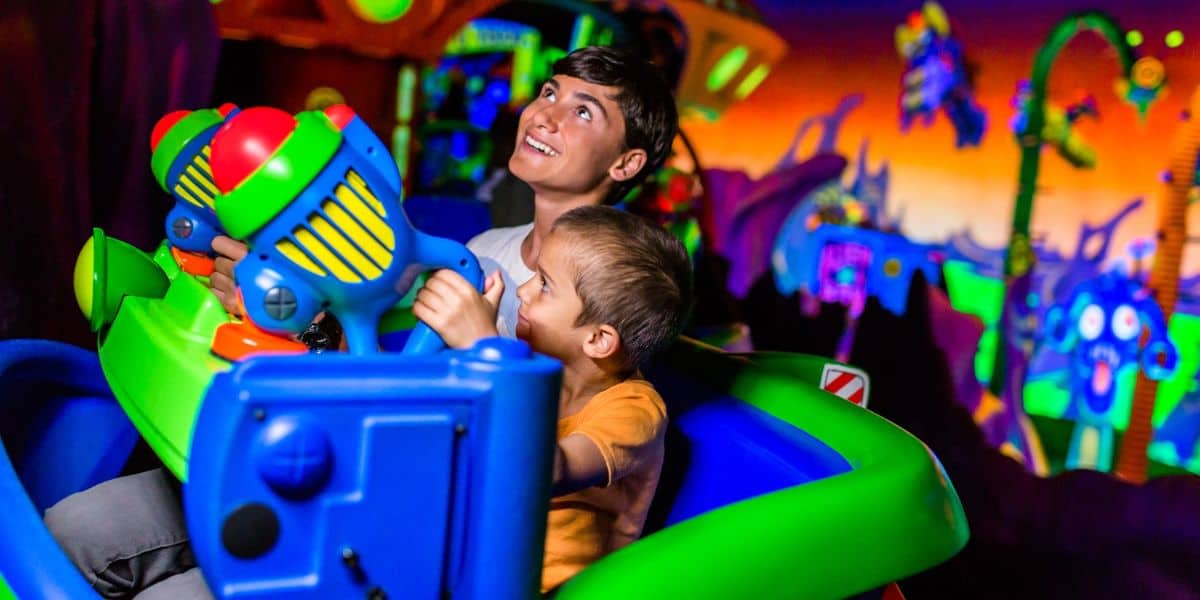
Magic Kingdom is not operating at full strength in 2026. Some attractions are closed, others are being refurbished, and downtime has made the park feel less predictable overall. That leaves guests with fewer reliable options throughout the day.
When that happens, the crowds don’t disappear. They just shift.
More people funnel toward the same headliners, and that makes standby waits worse across the board. It also takes away flexibility. Guests who would normally bounce to another ride when plans change have fewer easy backup choices.
In a park that usually offers variety at every turn, that loss stands out quickly.
Construction Is Hard to Ignore
At the same time, the park is clearly in a major transition period.
Construction has become part of the Magic Kingdom atmosphere in 2026, and even when guests understand the long-term rationale, the short-term impact is still noticeable. Walls, rerouted paths, and unfinished-looking areas make parts of the park feel less polished than usual.
That doesn’t ruin the day on its own. But paired with everything else, it adds to the sense that guests are visiting during an in-between phase rather than a fully settled one.
And that brings the biggest issue into focus.
A Magic Kingdom Day Now Takes More Work
All of these problems connect. The higher ticket price raises expectations. The crowds make Lightning Lane feel more necessary. The ride closures increase pressure on what remains open. The construction alters the park’s flow. Then it all lands in the same place: planning.
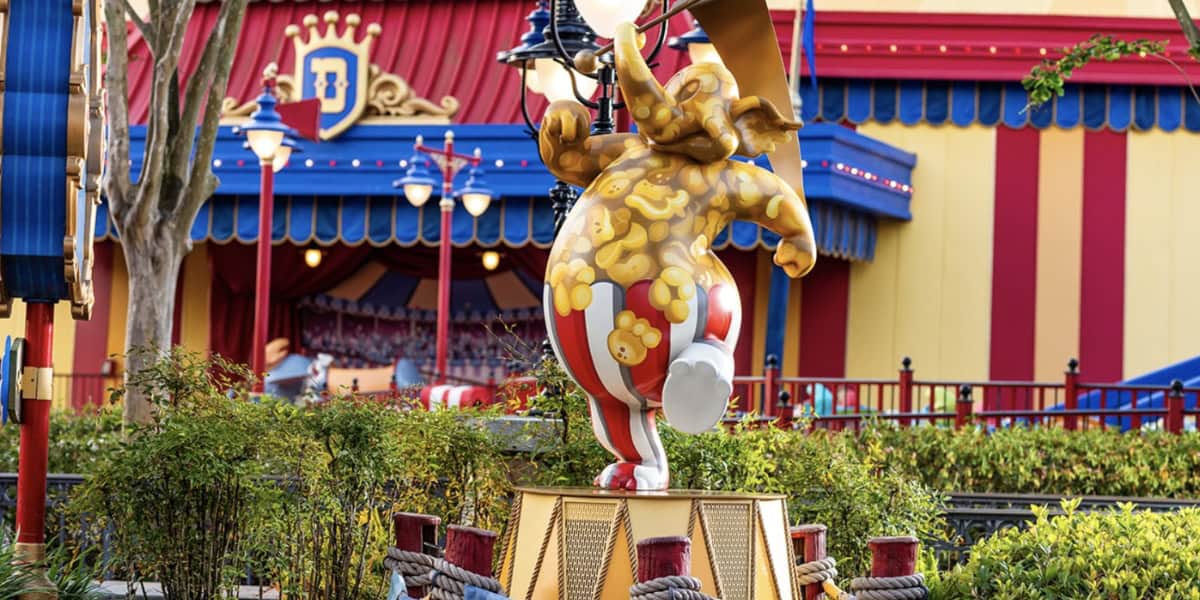
A Magic Kingdom day in 2026 feels like something guests have to manage carefully from start to finish. Ride strategy matters more. Timing matters more. Dining matters more. Even small setbacks can throw off the whole day.
That doesn’t mean the park has lost what makes it special. It means the effort required to enjoy it has gone up.
The Bigger Picture for 2026
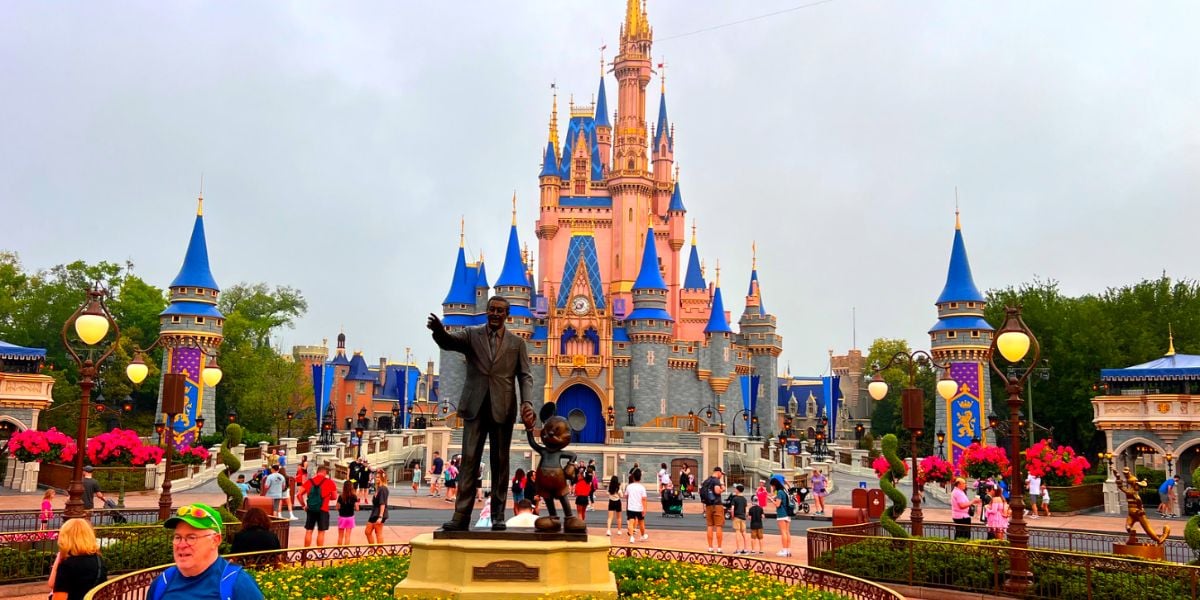
That’s why so many guests have started looking at 2026 as such a difficult year for Magic Kingdom. It isn’t one dramatic problem. It’s the way every challenge stacks on top of the next.
Disney may very well be building toward something better. The park’s future could absolutely benefit from everything happening now. But at this moment, visitors are dealing with the messy middle.
And that’s why 2026 feels tougher than it should. The magic is still there, but getting to it takes more money, more strategy, and more patience than many guests are willing to give.