There are theme park weeks that pass without incident and there are theme park weeks that generate the kind of coverage that prompts guests with upcoming trips to open a new browser tab and start asking questions. Disneyland Resort just had the second kind of week, and the questions guests are asking right now deserve answers that are specific, honest, and grounded in what is actually known rather than what the headlines might suggest at first glance.
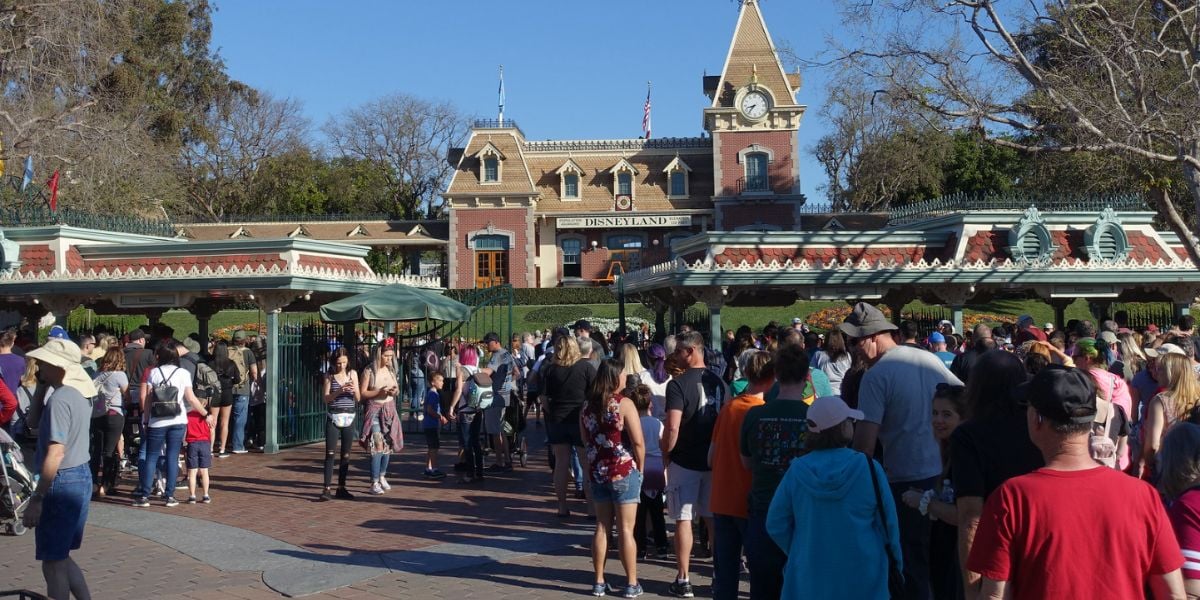
Disneyland Resort in Anaheim, California is the original Disney park. It opened in 1955 and has operated continuously as one of the most visited theme park destinations in the world for seven decades. The security and operational infrastructure that runs the resort is sophisticated, well-resourced, and designed to respond to exactly the kind of situations that occurred this week. That context matters when evaluating what happened, because what happened was real, it was handled professionally, and it did not result in harm to any park guests. But it happened in a pattern and a volume that warrants a clear and thorough accounting.
Here is everything that occurred this week at Disneyland, the regional context surrounding it, and what it means for guests with California theme park trips on the calendar.
Wednesday Night: Disneyland Was Swatted
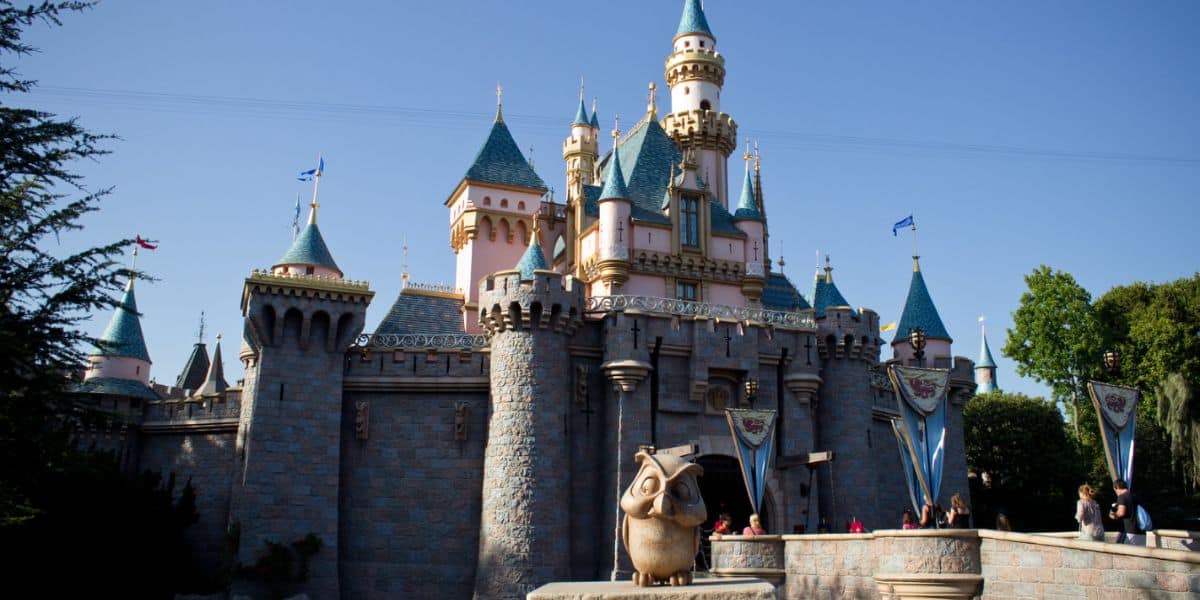
On Wednesday evening, dozens of police vehicles descended on Disneyland in Anaheim after multiple emergency calls reported an active mass shooting at the theme park. Law enforcement responded in force, as the protocol for active shooter reports requires regardless of the source or the plausibility of the information. According to KTLA-TV, the calls were determined to be swatting, a criminal practice in which false emergency reports are made specifically to generate a large law enforcement response.
Swatting is a serious crime. It consumes emergency resources, generates genuine fear among anyone who witnesses the response, and is designed to create exactly the kind of chaos that the images of dozens of patrol vehicles surrounding Disneyland naturally produce. The park was not evacuated. Normal guest operations were not disrupted in any lasting way. Police cleared the scene after confirming the calls were false. No actual threat to the park or its guests existed.
The swatting incident came just days after two separate hazardous materials situations at the same park, a timing that puts it in a context worth understanding fully.
The Two Hazmat Incidents That Came Before It
The hazmat situations both occurred in backstage areas of Disneyland that guests do not access during normal park visits, and both were handled by the Anaheim Fire Department alongside on-site paramedics.
The first involved a chemical reaction produced by building materials being used by a contractor working backstage. Response teams examined the affected area. Several cast members were treated on-site and released. At least five employees who experienced dizziness and shortness of breath were transported to local hospitals. Guest areas adjacent to the backstage location were cleared as a precautionary measure and were expected to reopen relatively quickly. A Disneyland official confirmed the incident and stated that no park guests were affected.
The second incident involved an unknown odor detected in the backstage area near the Star Tours attraction. The Anaheim Fire Department responded to the hazmat call. Four Disney employees experiencing dizziness and shortness of breath were transported to a local hospital. The odor’s cause had not been identified at the time of initial reporting. Star Traders, the retail location connected to Star Tours, was closed and cast members were reported to be blocking surrounding entrances. Disneyland confirmed there were no guest safety concerns during this incident.
Both situations were genuine emergencies that warranted the responses they received. Both were resolved without full park closures or significant disruption to guest-facing areas. The fact that two hazmat incidents occurred in the same week at the same park is notable and worth acknowledging directly rather than minimizing.
The Broader California Security Picture

The incidents at Disneyland are occurring within a California security context that has its own set of implications for theme park visitors, and addressing that context directly is more useful than leaving guests to piece it together from separate news sources.
An FBI alert was distributed to California law enforcement agencies at the end of February warning that Iran may have considered conducting a drone attack from a vessel off the U.S. coastline. The alert’s specific language defines both what is known and what is not: “We recently acquired information that as of early February 2026, Iran allegedly aspired to conduct a surprise attack using unmanned aerial vehicles from an unidentified vessel off the coast of the United State Homeland, specifically against unspecified targets in California, in the event that the US conducted strikes against Iran. We have no additional information on the timing, method, target, or perpetrators of this alleged attack.”
The critical phrase is the final one. No timing. No confirmed target. No confirmed method. No confirmed perpetrators. The alert describes an aspiration identified through intelligence gathering, not an active operation with a known plan and a specific destination.
San Francisco Mayor Daniel Lurie issued a public statement: “We are aware of the reports that were made public today, and we have been in constant communication with our state and federal partners, who have assured us there are no imminent threats to us here in San Francisco. As always, public safety is our No. 1 priority, and rest assured we are in constant communication with all of our public safety partners, and we will continue to monitor the situation, and we will always keep you posted.”
Governor Gavin Newsom confirmed the situation at a March 11 press conference: “We’ve been aware of that information. Drone issues have always been top of mind, and we’ve assembled some work groups specifically around those concerns.” The State Operations Center is actively sharing information with local agencies through the Office of Emergency Services network.
The Oakland Police Department stated: “We have spoken with our federal partners, who informed us that there may be a heightened risk due to the conflict in the Middle East. To ensure the safety of our community, we are maintaining close contact with local, state, and federal law enforcement. OPD will keep monitoring the situation and determine if there is a need to increase police presence.”
The warning is connected to the escalating Middle East conflict that began after U.S.-Israeli airstrikes killed Iran’s supreme leader, Ayatollah Ali Khamenei, in Tehran on February 28. Iran’s Assembly of Experts named his son, Mojtaba Khamenei, as the new supreme leader following the strikes. The United States has continued military operations against Iran, which has responded with drone strikes across the Middle East. More than 1,300 people in Iran have been killed since the conflict began according to CNN, with over 630 reported deaths in Lebanon following Israeli strikes there.
For Disneyland and Universal Hollywood visitors, neither Anaheim nor the Hollywood area has been identified as a specific target in the FBI alert. The unspecified California targets language covers the entire state without naming any location. Both parks are operating with their standard security infrastructure and no operational changes have been announced at either destination in connection with the regional warning.
What Guests With Upcoming California Trips Should Do
Taking the full week at face value, a swatting incident, two hazmat situations, and a regional security warning, it is reasonable to understand why guests with Disneyland or Universal Hollywood trips are asking whether those plans should change. It is also reasonable, based on the complete picture of what is actually known, to conclude that the available information does not support canceling or significantly altering a California theme park trip.
The swatting incident confirmed no actual threat and resulted in no guest harm. Swatting is a serious and growing criminal problem across the country and its occurrence at Disneyland does not indicate that the park is a genuine target of violence. It indicates that someone committed a crime that triggered the correct emergency response.
The hazmat incidents were genuine emergencies involving backstage areas that were handled by trained professionals and contained without lasting guest impact. Two incidents in one week is unusual. Neither incident produced a situation that extended into guest-facing areas or threatened visiting families.
The FBI drone warning is an active intelligence concern being monitored at city, state, and federal levels. The official posture from California’s senior officials, active monitoring without declaring imminent danger, is the most accurate available indicator of the current threat severity.
For guests heading to either park in the coming weeks, the practical steps are clear. Follow Disneyland Resort and Universal Studios Hollywood on social media and check their official websites for any operational updates before your visit. Follow park security and staff direction completely and immediately if anything unusual occurs during your time at the park. Monitor the official California Governor’s Office account for any changes to the regional security assessment.
Both parks are open. Both are operating normally. The week was genuinely unusual. It did not produce harm to guests, and the information currently available does not constitute a reason to cancel a California theme park trip.
If you have a Disneyland or Universal Hollywood visit coming up and want to stay current, checking official channels takes two minutes and gives you the most accurate picture of what is happening on the ground. Do that the morning of your visit and make your decisions from there.