SeaWorld’s Parent Company Just Revealed Multiple Buyers Want to Purchase Land

United Parks & Resorts has received multiple offers to purchase excess land near its SeaWorld and Busch Gardens theme parks, CEO Marc Swanson revealed during the company’s February 26, 2026, quarterly earnings call.
The company owns approximately 2,000 acres across its seven U.S. properties, with 400 of those acres undeveloped and potentially available for future development.
Multiple Monetization Options for Buyers
Swanson said the company has received multiple sale-leaseback proposals currently under evaluation and is engaged in active discussions with various partners about hotel development, timeshare development, residential development, and other commercial development on company-owned property. He did not mention specific buyers by name.
The United Parks quarterly earnings presentation outlined several monetization avenues including receiving indications of interest from multiple sale-leaseback counterparties, discussions with partners about developing hotel and timeshare projects, evaluating co-development of excess land into residential, entertainment, and commercial projects, and receiving multiple offers for outright purchase of excess land.
The Land Holdings
United Parks owns substantial acreage at each major property: Busch Gardens Williamsburg with 654 owned acres, Orlando with 418 owned acres housing SeaWorld Orlando, Aquatica Orlando, and Discovery Cove, San Antonio with 415 owned acres, Tampa with 362 owned acres for Busch Gardens Tampa Bay and Adventure Island, San Diego with 66 owned acres plus 190 leased acres, and Langhorne, Pennsylvania, with 55 owned acres.
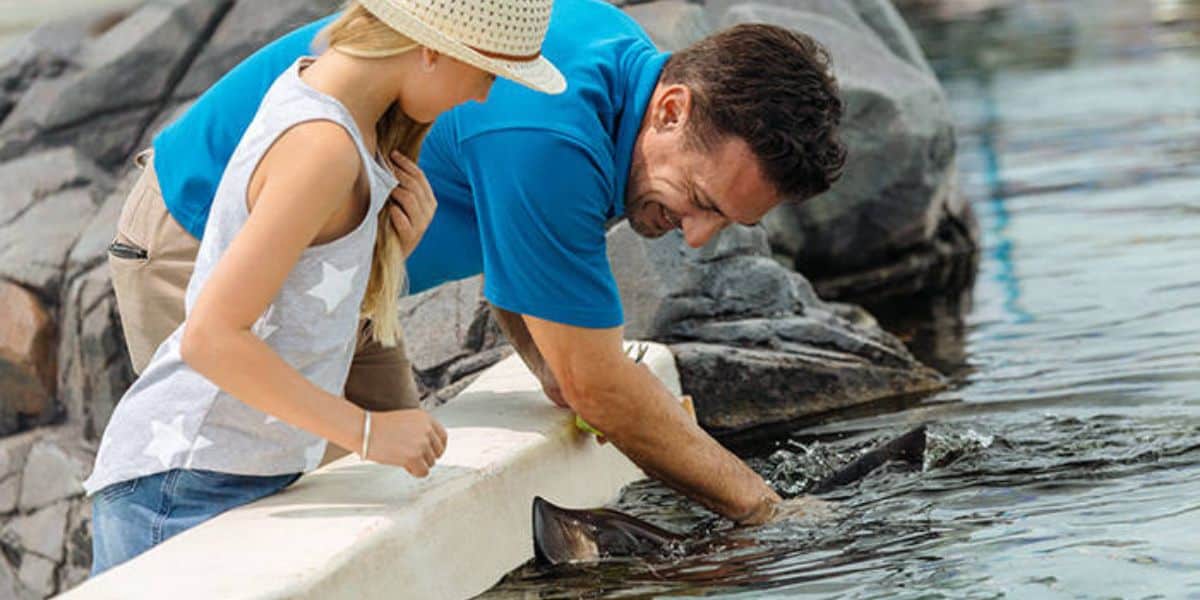
Swanson emphasized the company estimates the replacement cost of its parks to be over $10 billion, or about 2.5 times United Parks’ current enterprise value. He suggested that while public markets may not appropriately recognize the value of these assets, other parties clearly are.
Financial Context for Buyers
The land monetization discussions come as United Parks faces declining attendance and revenue. Attendance dropped 1.8% to approximately 21.2 million visitors, total revenue reached $1.7 billion (a 3.6% decrease), and net income fell 26% to $168.4 million.
Despite these declines, one encouraging indicator emerged: in-park per-capita spending increased by 1% overall with a record-setting 2.1% rise in the fourth quarter, suggesting guests continue to spend more when they visit even as overall attendance fluctuates.
Separate from Hotel Goals
Swanson clarified that selling excess land for potential hotel use is separate from United Parks’ goals to integrate hotels into its portfolio, which remains a priority. United Parks does not currently offer onsite hotels at any properties, a significant competitive disadvantage compared to Walt Disney World and Universal Orlando Resort.
Board Decision-Making for Buyers
Swanson noted United Parks will work with its board of directors on determining the best path forward. The company is more than 50% owned by a private equity firm and receives guidance from that firm and the rest of the board on how to use cash.
He expressed confidence that working with the board, the company will reach the right conclusions on how best to monetize its assets, emphasizing that people recognize the value even if it isn’t fully appreciated by public markets.
New Attractions Coming
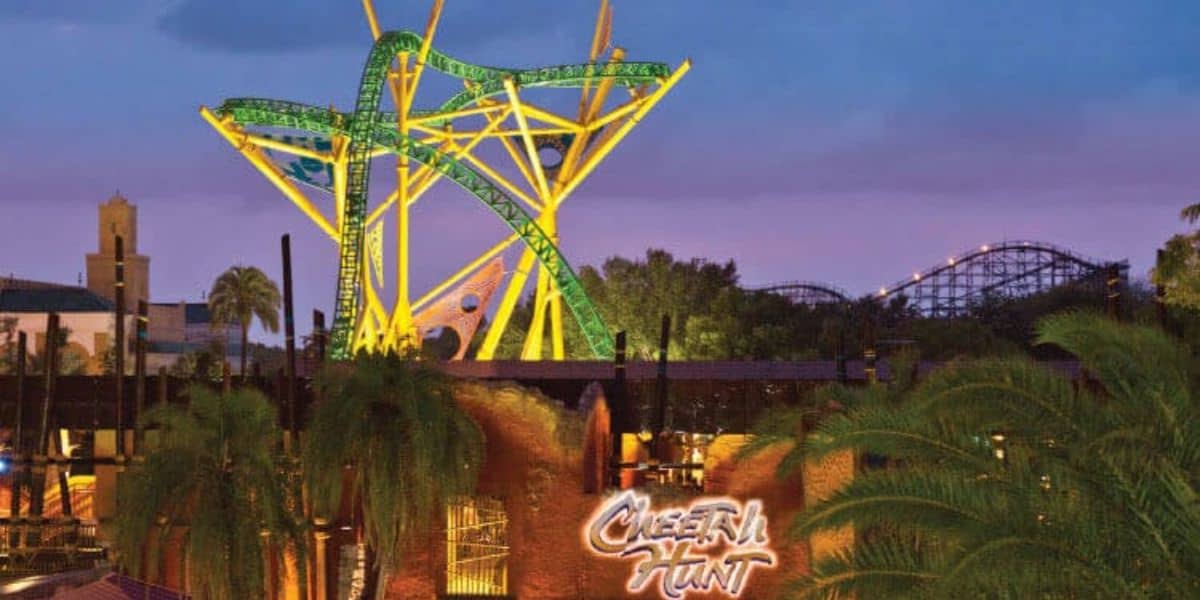
Despite financial pressures, United Parks continues investing in new attractions for 2026, including Barracuda Strike at SeaWorld San Antonio, Lion & Hyena Ridge at Busch Gardens Tampa Bay, Verbolten: Forbidden Turn at Busch Gardens Williamsburg, and SeaQuest: Legends of the Deep at SeaWorld Orlando.
What This Could Mean
The various land monetization options could have significant implications for guest experience. Sale-leaseback arrangements would provide immediate capital while allowing continued operations. Hotel, timeshare, or residential development partnerships could create onsite lodging options. Outright sales could provide capital but would permanently reduce real estate holdings.
For guests, these land deals could eventually result in new hotels, shopping districts, entertainment venues, or residential communities adjacent to theme parks, potentially transforming isolated park experiences into broader destination resort complexes similar to Walt Disney World and Universal Orlando models.
The February 26 call was the most detailed Swanson has been about what the company’s land could potentially turn into through partnerships, sales, or development arrangements.