The Epic Rethink: Why Universal is Quietly Pulling Back on Epic Universe Expansion Plans

For the past two years, the theme park industry has been dominated by a singular narrative: the rise of Universal Epic Universe. Universal Orlando Resort’s third gate (or fourth, if you count Volcano Bay) has been heralded as a paradigm shift—a high-tech, immersive wonder that would finally force Walt Disney World onto its back foot.
But as the 2026 opening window approaches, the tone from Comcast and NBCUniversal executives has undergone a subtle, yet significant, shift. After months of fueling rumors about “Phase 2” developments and immediate land expansions, Universal has officially backtracked. The “Epic Expansion” that enthusiasts were promised might be further away than we thought, and the reasons why reveal a lot about the current state of the theme park arms race.
Managing the Hype: The “Expansion” That Wasn’t
The confusion stems from comments made during various investor summits and media previews throughout 2024 and 2025. During those presentations, Universal leadership emphasized that Epic Universe was “built for growth.” Maps featured massive expansion pads, and executives hinted that new portals could be greenlit before the park even celebrated its first anniversary.
However, in a recent clarification, Universal has tempered these expectations. While the physical space for growth remains part of the master plan, the company is now emphasizing that there are no immediate plans to break ground on a sixth portal. This “backtrack” has left fans wondering if the ambitious plans for a Legend of Zelda or Pokémon presence have been shelved or simply moved to the back burner.
Why the U-Turn? The Logistical Reality of 2026
Opening a theme park of this magnitude is a Herculean task. Universal Epic Universe isn’t just a few new rides; it’s an entire ecosystem that includes:
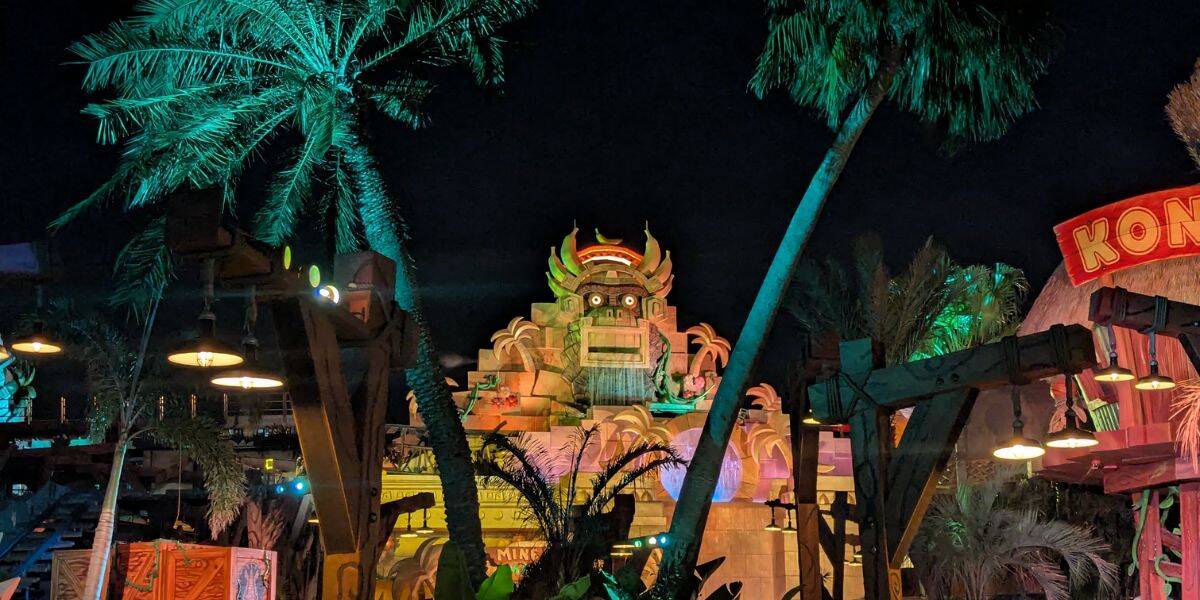
- The “Portal” System: Five distinct worlds, each requiring its own dedicated maintenance, security, and custodial staff.
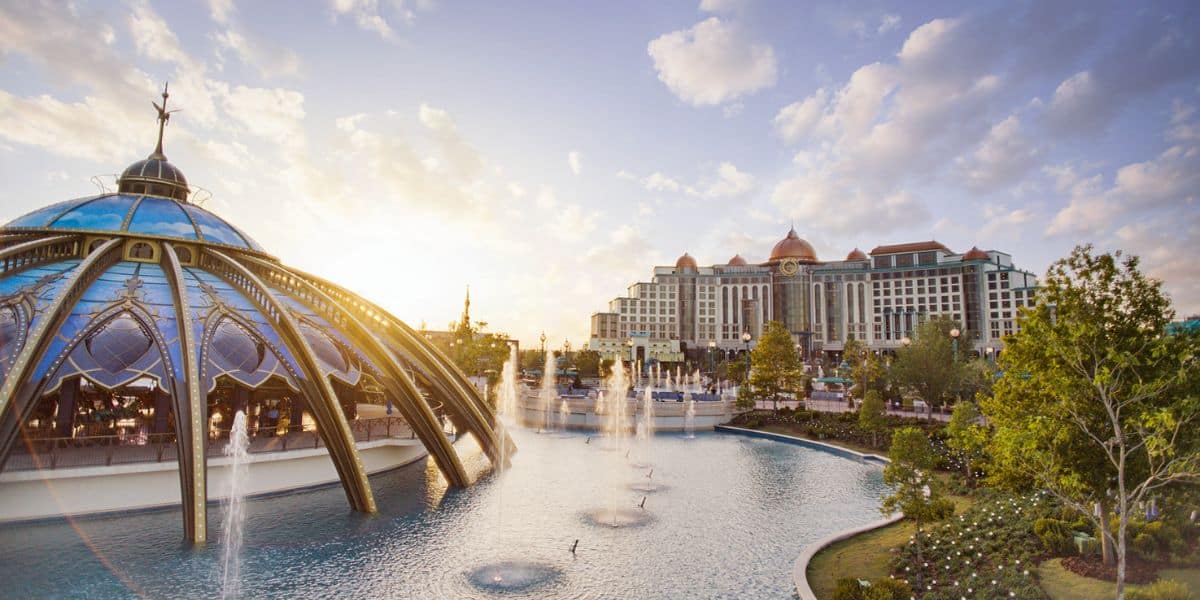
- The Hotel Surge: Three new hotels, including the flagship Universal Helios Grand Hotel, which sits directly inside the park.
- The Infrastructure Ripple: A massive new transportation network connecting the “North Campus” (CityWalk, Universal Studios Florida, Islands of Adventure) to the “South Campus” (Epic Universe).
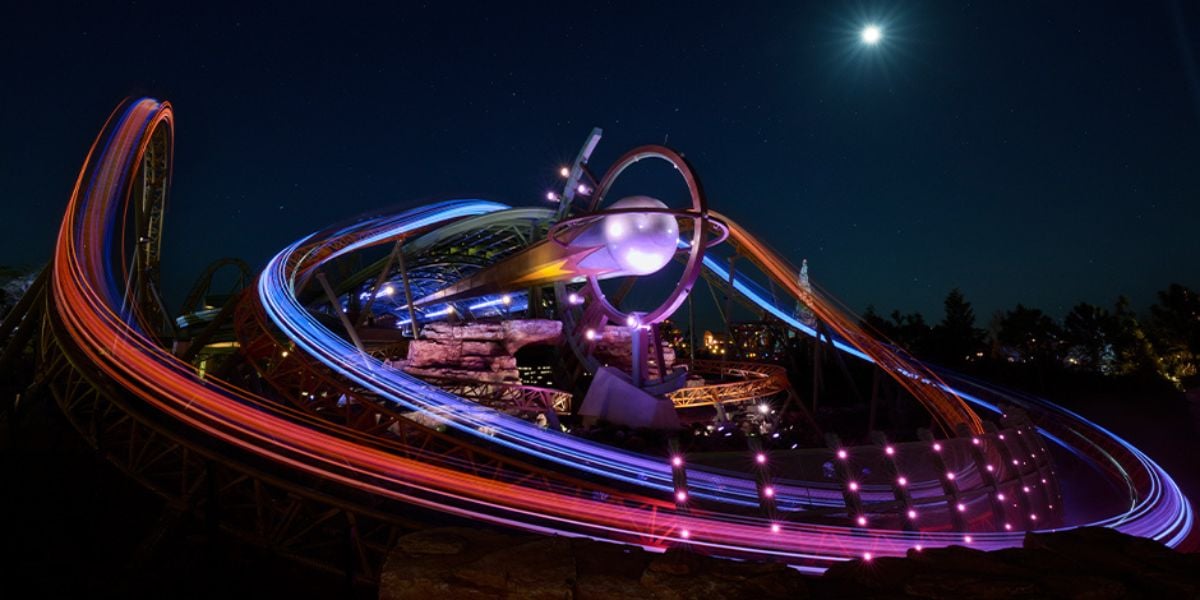
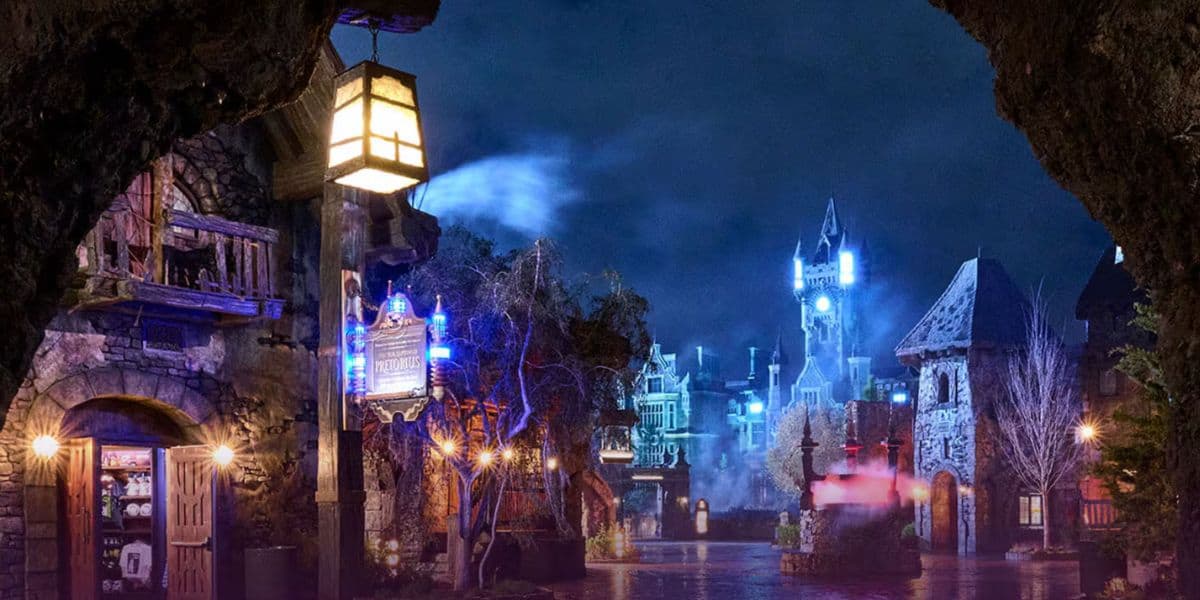
Universal’s backtracking is likely a tactical move to ensure that the initial guest experience is flawless. By cooling expansion talk, they are focusing the narrative back on the “Opening Day” lineup: Celestial Park, SUPER NINTENDO WORLD, Dark Universe, The Wizarding World of Harry Potter – Ministry of Magic, and How to Train Your Dragon: Isle of Berk.
The “Disney Factor” and Economic Caution
Industry analysts point to a few external factors that may be influencing Universal’s conservative pivot. First, there is the massive $60 billion investment plan currently underway at Disney. With the “Beyond Big Thunder” project and the Cars-themed Frontierland expansion already in the permitting stages at Magic Kingdom, Universal may be waiting to see how Disney’s 2026–2030 roadmap settles before committing to its next big move.

Furthermore, construction costs in 2026 have remained volatile. While Universal has a nearly bottomless “land bank” in the Shingle Creek area, the cost of labor and specialized ride components has soared. By delaying “Phase 2,” Universal is giving itself a period of financial observation to see how Epic Universe affects its overall bottom line before doubling down on more multi-billion-dollar lands.
What Happens to the “Expansion Pads”?
Aerial photography of the Epic Universe site clearly shows at least two massive plots of land—one on the north end and one on the south—that are clearly leveled and ready for development. These are the rumored homes of the next big IP.
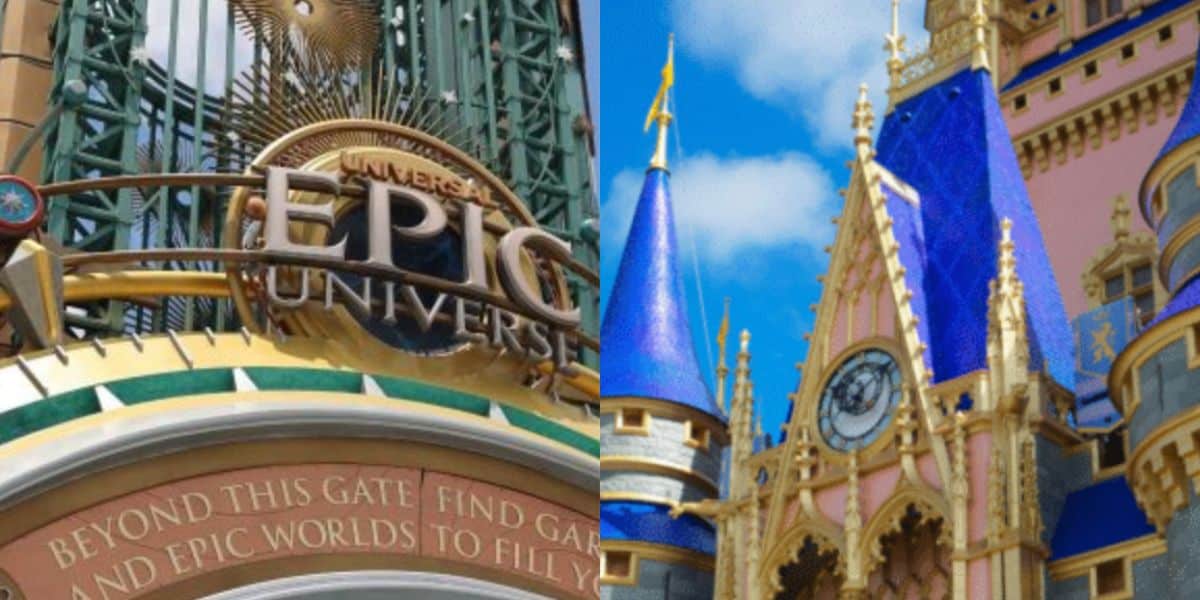
By pulling back on the announcement of these lands, Universal is essentially giving itself a “Year 3” or “Year 4” insurance policy. If attendance begins to dip after the initial 2026 rush, they can pull out the “Zelda” or “Pokémon” card to reignite interest. From a marketing standpoint, it is much more effective to announce a new land as a “response to guest demand” later than to announce it now and have it feel like “just another part of the park.”
The Impact on Travel Planning
For families planning their 2026 and 2027 vacations, this backtrack means one thing: the current lineup of Epic Universe is the “Final Version” for the foreseeable future. Travelers who are waiting for a specific expansion before booking their trip should know that the five confirmed worlds are the primary focus for at least the next 3 to 5 years.

With ticket prices and “dated entry” requirements expected to be tight, the lack of immediate expansion might actually help Universal manage the crowds. By not promising a sixth land, they avoid the “wait until next year” syndrome that often plagues new park openings.
Conclusion: A Pivot, Not a Permanent Stop
Universal’s backtrack on Epic Universe expansion isn’t a sign of failure; it’s a sign of maturity. The company has moved from the “hype” phase to the “operational” phase. While we might not be getting a sixth portal in 2027, the five portals opening in 2026 represent the most ambitious leap in theme park history since the opening of the original Islands of Adventure in 1999.
Universal is still the “Disruptor,” but they are choosing to play the long game. Piston Peak and the Magic Kingdom expansion are looming, and Universal is keeping its cards close to its chest. The expansion pads are ready—Universal is just waiting for the perfect moment to strike.