For over half a century, Walt Disney World has been more than just a theme park; it has been the gold standard of the guest experience. Central to that experience was an almost obsessive commitment to cleanliness. Walt Disney famously believed that if a park were clean, guests would respect it. He famously spent hours observing guests in his parks, eventually calculating that a person would carry trash for roughly 30 steps before dropping it on the ground if they couldn’t find a bin. This led to the legendary “30-step rule,” ensuring a trash can was always within reach.
However, in 2026, that legendary standard appears to be crumbling.
A recent viral photo shared on X by user @Kdodgers24 has sent shockwaves through the Disney community. The image depicts a sight once unthinkable in the Magic Kingdom: a trash can at the entrance of Space Mountain so severely overflowing that it created a literal “trash mountain” in the heart of Tomorrowland. For fans who have watched ticket prices soar while the “Disney Look” fades, the photo is a smoking gun in the argument that the “Most Magical Place on Earth” is losing its luster.
The Image That Broke the Internet (and the Illusion)
The photo shared by @Kdodgers24 captures a staggering amount of refuse—churro wrappers, empty soda bottles, and popcorn buckets—piled high atop a themed Tomorrowland bin. The overflow has spilled onto the iconic checkered pavement, forcing guests to navigate a miniature landfill just to enter one of the world’s most famous thrill rides.
The reaction from the community was swift and scathing.
“I remember when you couldn’t find a piece of dust on Main Street,” one commenter lamented. “Now, for $180 a day, we get to look at this?” Another user pointed to the systemic nature of the problem: “It’s not just the trash. It’s the peeling paint on the Carousel, the mold on the water rides, and the constant breakdowns. The upkeep isn’t matching the price tag anymore.”
The consensus is clear: the “show” is failing. In Disney terminology, everything a guest sees is part of the performance. An overflowing trash can isn’t just a mess; it’s a “broken window” that shatters the immersion Walt worked so hard to create.
Walt’s Philosophy vs. Modern Corporate Reality
To understand why this image is so jarring, one must understand Walt Disney’s personal philosophy on maintenance. Walt once said, “We keep moving forward, opening new doors, and doing new things.” But he also insisted that the existing “doors” be kept in pristine condition. He believed that cleanliness was a form of hospitality.

The 30-step rule wasn’t just about convenience; it was about psychological conditioning. If a park is spotless, guests are subconsciously discouraged from littering. But when a guest sees an overflowing bin, the psychological contract is broken. They are signaled that the standards have lowered, and the park’s overall aesthetic begins a rapid downward spiral.
Critics argue that under the current leadership, the company has shifted its focus. While Disney is currently navigating a $17 billion expansion and dealing with complex dealings with the Central Florida Tourism Oversight District (CFTOD), basic “meat and potatoes” operations like custodial staffing seem to be taking a backseat.
The Price-to-Magic Ratio is Imbalanced
The frustration captured in @Kdodgers24’s tweet is amplified by the current economic climate of a Disney vacation. As we’ve previously analyzed, a standard family vacation is projected to top $11,000 by 2031. When guests are paying “luxury” prices, they expect—and deserve—a luxury environment.

When Disney increases the cost of Lightning Lane passes, food, and hotel rooms, but fails to empty the trash cans in Tomorrowland, it creates a “value gap.” Guests are beginning to feel like “wallets with legs” rather than welcomed guests.
“Disney is charging five-star prices for three-star maintenance,” said one viral response to the Space Mountain photo. “If they can afford $60 billion for new lands, they can afford a custodial crew that keeps the bins empty.”
Staffing Shortages or Profit Protection?
Is the mess at Space Mountain a result of a labor shortage, or is it a symptom of “lean” corporate management? While the Central Florida labor market has been tight, many former Cast Members have taken to social media to explain that custodial routes have been expanded while the number of staff members per shift has been reduced.
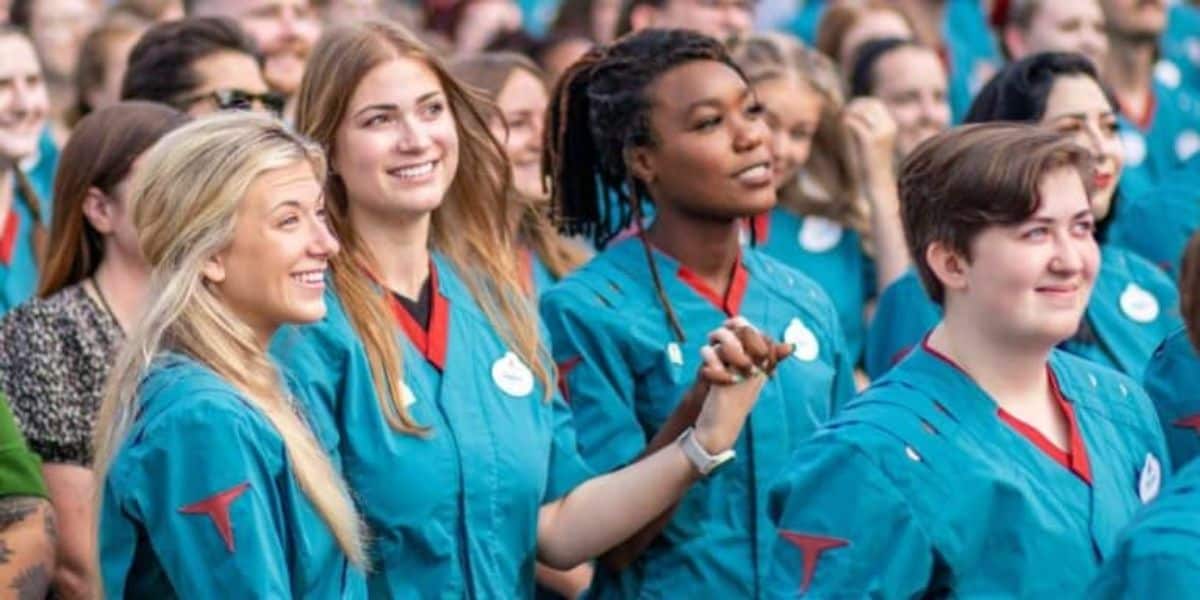
In the past, custodial Cast Members were ubiquitous. They weren’t just cleaners; they were “invisible ninjas” who whisked away trash before a guest even noticed it. Today, those same Cast Members are often tasked with covering larger areas of the park, making it nearly impossible to keep up with the high-capacity crowds of 2026.
Beyond the Trash: A Growing Upkeep Crisis
The overflowing bin at Space Mountain is only the tip of the iceberg. Frequent visitors have reported a steady decline in general park upkeep, including:
- Ride Reliability: Frequent “downtime” for major attractions like Rise of the Resistance and Hagrid’s (at neighboring Universal) is becoming the norm, but Disney’s aging fleet of “classic” rides is showing the most wear.
- Exterior Aesthetics: Peeling “weathered” paint that is supposed to look old but just looks neglected, and a lack of fresh landscaping in high-traffic areas.
- The “Disney Look”: A perceived relaxation in the grooming and presentation standards of Cast Members, which Walt believed was essential to the “show.”
Can the Magic be Salvaged?
The viral nature of @Kdodgers24’s photo serves as a wake-up call. Disney has built its brand on being “the best.” When that reputation for perfection is compromised, the brand loses its competitive advantage against rivals like Universal, which is currently building the massive Epic Universe with a focus on high-tech immersion and pristine environments.

For Disney to live up to Walt’s standards in 2031 and beyond, they must reinvest in the basics. This means:
- Increasing custodial wages to attract more staff.
- Prioritizing daily maintenance over just “big ticket” expansions.
- Closing the “Value Gap” by ensuring the environment matches the premium ticket price.
Conclusion
Walt Disney once famously said, “I don’t want the public to see the world they live in while they’re in the Park. I want them to feel they’re in another world.” An overflowing trash can at the gates of Tomorrowland is a harsh reminder of the “real world”—a world of neglect, staffing issues, and corporate shortcuts. If Disney wants to keep charging five-figure prices for a family vacation, it needs to pick up the broom and get back to the 30-step rule.

The magic isn’t just in the fireworks or the animatronics; it’s in the empty trash cans and the sparkling pavement. It’s time for Disney to remember that.
What do you think? Have you noticed a decline in Disney World’s cleanliness? Let us know in the comments below!