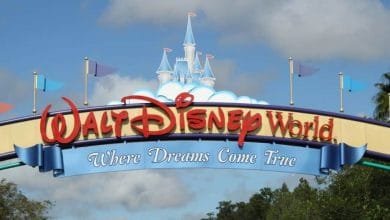
There’s something timeless about walking down Main Street, U.S.A. at Magic Kingdom, catching that first glimpse of Cinderella Castle. For generations, guests have flocked to Walt Disney World Resort expecting magic, nostalgia, and—let’s be honest—a bit of strategic planning.
But the modern Disney vacation looks very different than it did even five years ago. Between mobile ordering, park reservations, and Lightning Lane bookings, planning has become part of the experience itself. For many families, paying to skip the line isn’t a luxury anymore—it’s a strategy.
And as holiday weekends approach, that strategy often comes at a premium.

A Familiar Pattern Emerges Just as Holiday Crowds Roll In
President’s Day Weekend and Valentine’s Day are historically busy at Walt Disney World. Cooler Florida weather, school breaks, and long weekends combine to create a surge in attendance across all four parks—Magic Kingdom, EPCOT, Disney’s Hollywood Studios, and Disney’s Animal Kingdom.
Veteran parkgoers know what that means: longer wait times for marquee attractions like TRON Lightcycle / Run, Guardians of the Galaxy: Cosmic Rewind, and Star Wars: Rise of the Resistance.
It also typically signals another trend—an increase in the cost of Disney’s paid skip-the-line service. While variable pricing has become standard practice for The Walt Disney Company, each new spike still manages to spark conversation.

Understanding the Lightning Lane System Before the Spike
Disney’s Lightning Lane system currently operates in three tiers.
The most widely used option is Lightning Lane Multi Pass. Guests staying at a Disney hotel can book three selections seven days before their park day. Those staying off property can book three days in advance. Additional selections can be made throughout the day as previous reservations are used, though the same attraction cannot be booked twice.
Then there’s Lightning Lane Single Pass, which allows guests to purchase access to the most in-demand attraction in each park—sometimes two at Magic Kingdom—for a one-time skip.
Finally, Lightning Lane Premier Pass offers the most comprehensive access, allowing guests to use Lightning Lanes throughout a chosen park without booking return times. It is also the most expensive tier.
For many families, these add-ons can significantly shape the overall cost of a Disney vacation.

The Reveal: Lightning Lane Prices Rise Starting February 13, 2026
Beginning February 13, 2026, Disney World implemented noticeable price increases across Multi Pass and Single Pass options in preparation for President’s Day Weekend.
On February 13, Multi Pass pricing jumped to:
-
Magic Kingdom – $42
-
EPCOT – $32
-
Hollywood Studios – $37
-
Animal Kingdom – $22
Single Pass prices that same day included:
-
Seven Dwarfs Mine Train – $14
-
TRON Lightcycle / Run – $22
-
Guardians of the Galaxy: Cosmic Rewind – $22
-
Rise of the Resistance – $24
-
Flight of Passage – $17
Valentine’s Day, February 14, maintained similar pricing, with Animal Kingdom’s Multi Pass rising to $25.
By February 15 and 16, prices climbed even further for select attractions. Seven Dwarfs Mine Train increased to $15, TRON rose to $23, and Flight of Passage peaked at $19 on February 16.
It isn’t until February 17 that guests see a slight dip. Multi Pass drops to $39 at Magic Kingdom and $28 at EPCOT, with modest decreases for select Single Pass attractions as well.
For families of four, those few-dollar increases per attraction can add up quickly—especially when stacked on top of tickets, dining, and hotel costs.

What This Means for Future Disney World Travelers
Price increases during peak travel periods are not new for Walt Disney World, and Lightning Lane’s variable pricing structure makes fluctuations almost inevitable.
Still, the timing—right before a major holiday weekend—serves as a reminder that planning ahead matters more than ever. Guests traveling during President’s Day Weekend, Spring Break, or summer months should anticipate higher Lightning Lane costs and budget accordingly.
For those with flexibility, visiting during off-peak seasons could mean not only shorter standby lines but also lower add-on costs.
The end of an era? Not quite. But it is another chapter in Disney World’s evolving pricing landscape—one that continues to spark debate among even the most loyal fans.
As crowds pour into Magic Kingdom and beyond this weekend, one thing is clear: the magic remains, but accessing it quickly may cost a little more than guests expected.
What do you think about the latest Disney World Lightning Lane price increase? Is it a reasonable adjustment for busy holiday crowds—or is it becoming too much?