In a regulatory move that has stunned both Wall Street and the sports world, the Trump Administration has officially cleared the path for a new era of media dominance. This week, federal regulators at the Department of Justice (DOJ) have approved Disney’s high-stakes acquisition of the NFL’s primary media assets, a deal that effectively merges the “Worldwide Leader in Sports” with the most powerful league on the planet.
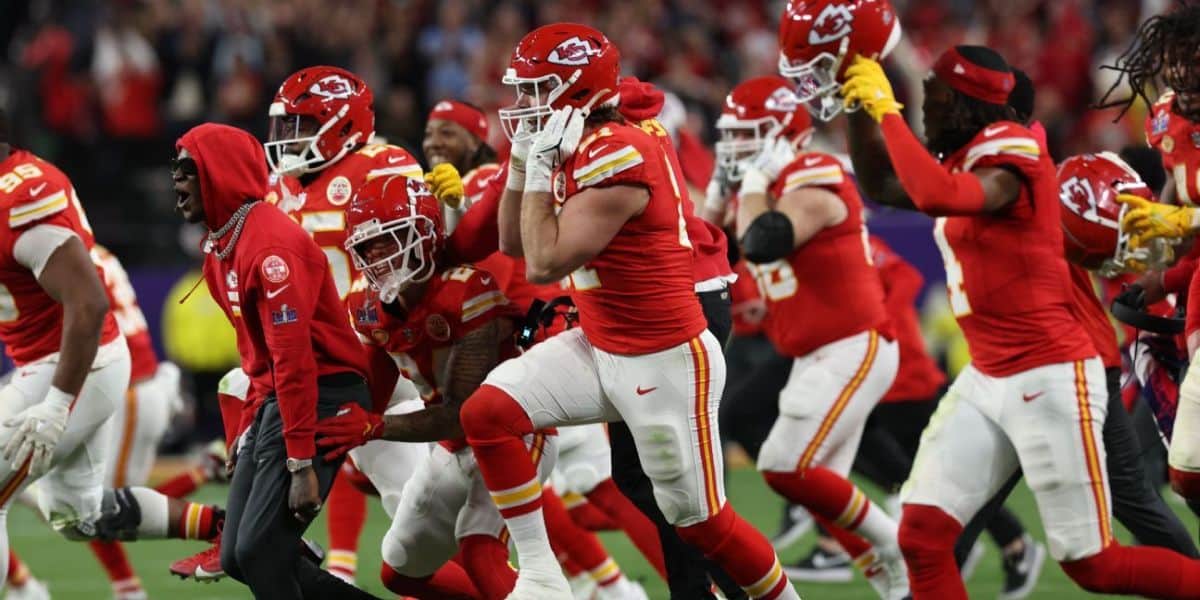
The approval marks the definitive end to a year-long cliffhanger. When the deal was first proposed in 2025, industry analysts warned it could be “political catnip” for the White House, given the historically frosty relationship between President Trump and the “Mouse House.” Instead, the administration has signaled a “business-first” victory, allowing ESPN to take over NFL Network and NFL RedZone in exchange for the NFL becoming a 10% owner of ESPN.
The Deal of a Century: What Just Changed?
The finalization of this agreement, closed late Saturday night, isn’t just a change in ownership—it’s a total reimagining of how you will watch football starting in the 2026-27 season. Here is the breakdown of the approved multi-billion-dollar assets:

- NFL Network is Now “ESPN NFL”: Beginning in April 2026, NFL Network will officially become part of the ESPN family of networks (alongside ESPN2 and the SEC Network). ESPN will now own and operate the 24/7 channel, absorbing hundreds of NFL Media employees into its Bristol and Los Angeles offices.
- The RedZone Revolution: While the NFL will still produce the “whip-around” show in-house, ESPN now holds the linear distribution rights to the RedZone Channel for cable and satellite. Even more significantly, ESPN has acquired the rights to the “RedZone” brand, clearing the way for “ESPN RedZone” iterations for college football and basketball.
- Fantasy Football Merger: The NFL’s standalone fantasy app is being sunsetted. Moving forward, ESPN Fantasy Football becomes the “Official Fantasy Game of the NFL,” merging the two massive user bases into a single, dominant platform.
- Equity for Assets: In exchange for these properties, the NFL has secured a 10% equity stake in ESPN. This turns the league from a content provider into a business partner, ensuring they are financially invested in ESPN’s long-term success.
The Trump Factor: Why Now?
The path to this approval was anything but certain. As Inside the Magic reported during the 2025 negotiations, the deal’s survival hinged on whether the Trump Administration would view the merger as a monopolistic threat or a necessary consolidation.

Throughout the fall of 2025, critics pointed to the President’s past feuds with ABC News (ESPN’s sister company) and his public sparrings with the NFL over player protests as reasons the deal might be blocked. However, the regulatory “Green Light” suggests a strategic shift. By allowing Disney and the NFL to unite, the administration is effectively bolstering a “Legacy American Brand” against the rising tide of Silicon Valley tech giants such as Amazon, Apple, and Google, which have been aggressively outbidding traditional networks for live sports.
Insiders suggest that a face-to-face sit-down between Bob Iger and the President earlier this year may have helped bridge the gap, focusing on the preservation of American media jobs and the importance of a “National Champion” in the global streaming wars.
The Consumer Impact: What Fans Will Pay
For the average fan, the most essential part of this news is the price tag. With the deal now closed, Disney is preparing to roll out its “ESPN Unlimited” direct-to-consumer service this fall.

Starting with the 2026 season, subscribers to the $29.99 per month plan will have full access to NFL Network included at no additional cost. Furthermore, fans will be able to bundle NFL+ Premium (which includes digital access to RedZone) directly through the ESPN app.
For the “cord-cutter” generation, this is the holy grail. The ability to access the NFL’s 24/7 news cycle, fantasy tools, and the RedZone channel within a single Disney-owned ecosystem makes the traditional $100+ cable bundle increasingly obsolete.
Scheduling Shifts: More Games for the “E”
The merger also brings an immediate change to the NFL calendar. Under the approved terms:

- ESPN networks will now broadcast 28 total games per season (up from 25).
- The “Monday Night Football” doubleheaders are being phased out to simplify the schedule.
- NFL Network will now carry seven exclusive regular-season games, produced and managed by the ESPN team.
- ESPN has secured the rights to air the Super Bowl in 2027 and 2031, with the NFL’s 10% stake ensuring that these broadcasts will be the most integrated and “technologically advanced” in the league’s history.
The Iger Legacy: A Final Win
For Disney CEO Bob Iger, this deal is the crowning achievement of his “final” term. After navigating a turbulent few years of “culture war” headlines and stock fluctuations, Iger has successfully anchored Disney’s future in the one thing that remains “appointment viewing”: The NFL.
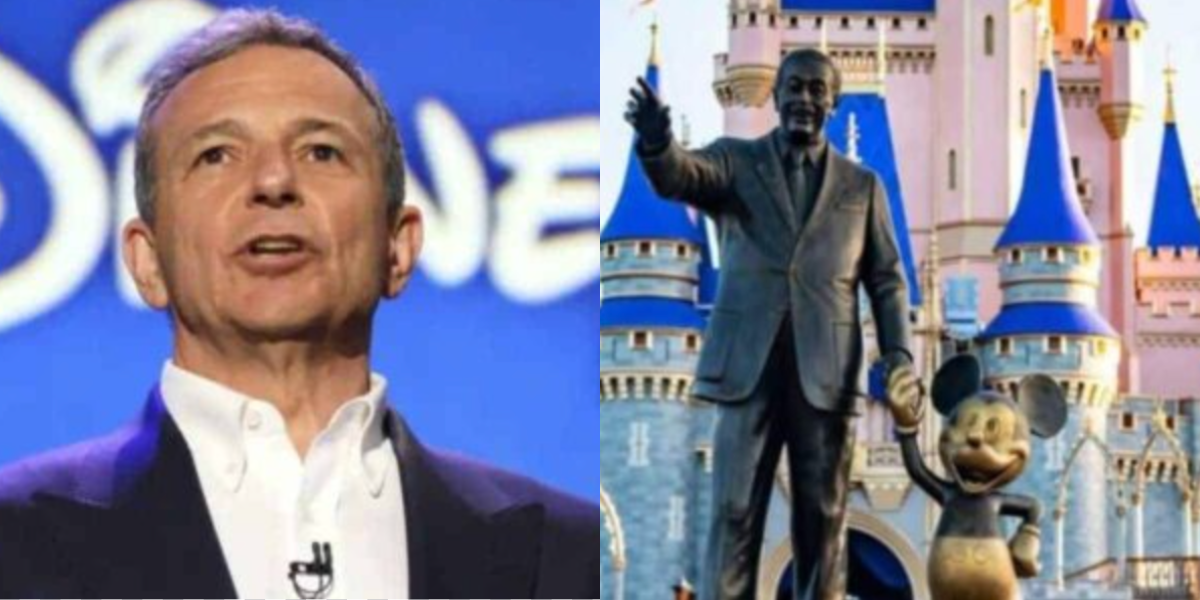
By giving the league a seat at the table, Iger has built a “moat” around ESPN. It is no longer just a network that pays for the NFL; it is the NFL. As construction begins on a massive new integrated studio at the SoFi Stadium complex in Los Angeles, the message is clear: The Mouse and the Shield are now one.
Conclusion
The Trump Administration’s approval of the Disney-NFL deal is the definitive media story of 2026. It represents a rare alignment of political deregulation and corporate ambition. While some may worry about the “monopoly” of sports information under one roof, Disney is betting that fans will trade total market competition for the convenience of having every touchdown, every trade, and every fantasy point in the palm of their hand.

The 2026 NFL season kicks off in just a few months, and for the first time in history, the “Worldwide Leader” will truly live up to its name.
Are you planning to subscribe to the new “ESPN Unlimited” bundle this fall, or will you stick with your current cable provider? Let us know in the comments!