There’s a specific moment at the end of a Disney day when everything seems to slow down. The crowds settle. Conversations quiet. Eyes drift toward the castle as music begins to rise. For years, Happily Ever After has owned that moment at Magic Kingdom. It’s been the emotional release guests look forward to, the final memory they carry back to their resorts, the reason many linger just a little longer before heading out.
Lately, though, something feels different. Not drastically different. Not in a way that stops the show from being beautiful. But enough to spark conversation among returning guests who know this nighttime spectacular almost by heart.
At first, it’s hard to pinpoint. The fireworks still bloom above Cinderella Castle with the same timing. The soundtrack still carries that familiar emotional pull. The projections still tell the same sweeping story across the castle walls. Yet for those who have watched the show multiple times, there’s a subtle absence that shifts the overall feel.
It connects back to what’s happening during the daylight hours.
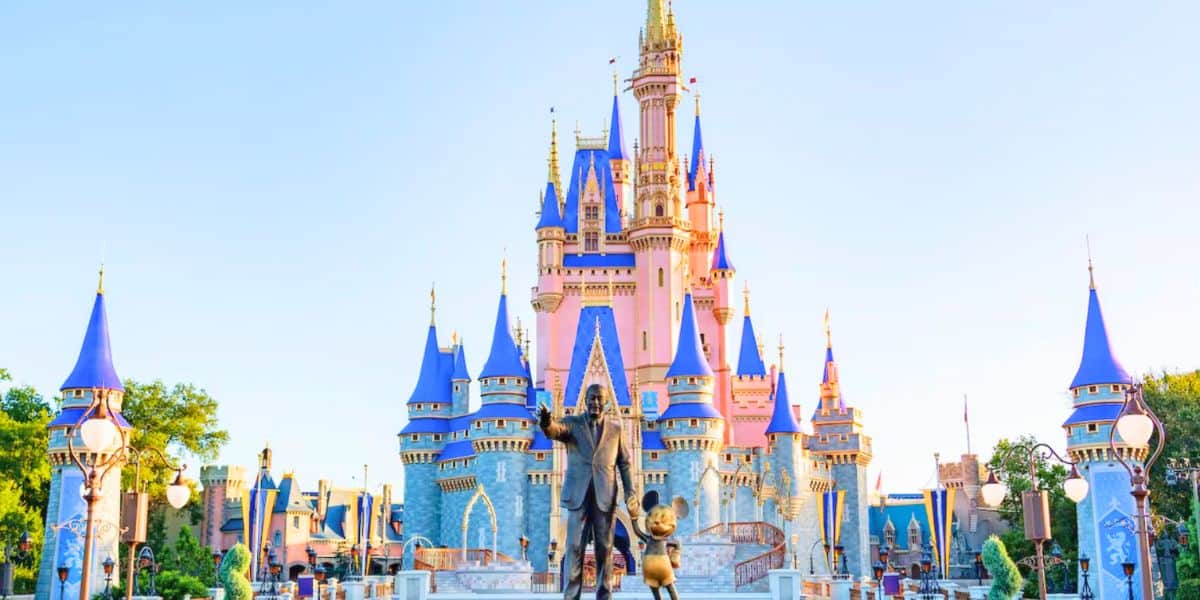
Cinderella Castle is currently in the middle of a repainting process, gradually moving away from the anniversary color scheme toward a softer, more traditional look. The work itself isn’t unusual. Disney regularly refreshes its icons. But when the centerpiece of the park undergoes change, it naturally influences everything around it, especially a show that relies so heavily on the castle as its canvas.

As a result, lasers are temporarily missing from Happily Ever After. It’s not something every guest notices immediately, but once you realize it, it reshapes how certain sequences land. Moments that once featured crisp beams of light slicing through the night sky now rely solely on projections and fireworks. The pacing still works, but there’s an echo of what used to be there.
For longtime fans, that realization introduces an unexpected feeling: curiosity mixed with a bit of uncertainty.
Nighttime spectaculars have always represented consistency in a park environment that constantly evolves. Attractions close. Lands transform. Dining options rotate. But the fireworks often remain the emotional thread connecting visits across the years. When that thread changes, even slightly, it prompts people to pause and wonder.
Guests still gather early to secure viewing spots. Families still spread out blankets on the pavement. Children still react with wide-eyed excitement when the first burst of color fills the sky. Yet beneath those familiar scenes is a new awareness. Some guests glance at one another when a visual cue they expected doesn’t appear. Others mention it on the walk out, comparing notes about how the show felt different this time.

The repainting project has also nudged other entertainment offerings into new rhythms. Showtimes have shifted. Certain daytime moments feel more streamlined. None of it disrupts the experience outright, but it creates an atmosphere where guests sense that the park is in transition.
That sense of transition can be surprisingly emotional. Disney experiences are deeply tied to memory. When something changes, even temporarily, it invites reflection on past visits, favorite moments, and how traditions evolve over time.
What makes this period especially intriguing is the lack of a firm timeline for when every element will return to its original form. Painting projects move at their own pace. Weather, scheduling, and logistics all play roles. For now, the show continues without lasers, leaving guests to wonder when that layer will come back or if additional adjustments could follow.
That unknown adds a new dimension to the viewing experience. People watch more closely. They take mental notes. They compare memories from previous trips. The show becomes not just a finale, but a moment of observation, where guests feel like they’re witnessing a chapter in the park’s ongoing story.
Each night at 9 p.m., the music still rises. The fireworks still draw cheers. The emotional core of Happily Ever After remains intact. Yet there’s a quiet awareness that the version playing now exists within a specific moment in time.

Disney parks have always balanced nostalgia with change. That balance is part of what keeps them alive. Still, when a beloved tradition shifts, even subtly, it reminds guests that these experiences aren’t frozen in place.
For now, the show continues beneath a castle that’s gradually transforming, offering a version of Happily Ever After that feels both familiar and slightly different. And maybe that’s what makes this moment compelling. Guests aren’t just watching a fireworks display. They’re witnessing a story still unfolding, one where the ending hasn’t quite revealed itself yet.