For decades, The Walt Disney Company has protected its “Disney Magic” with the ferocity of a dragon guarding its hoard. The “omertà”—a strict code of silence among employees—ensured that the public never saw the sweat behind the ears or the frustration behind the tiara. But as we move into 2026, the pixie dust is settling, and the workers who create the magic are finally finding their voices.

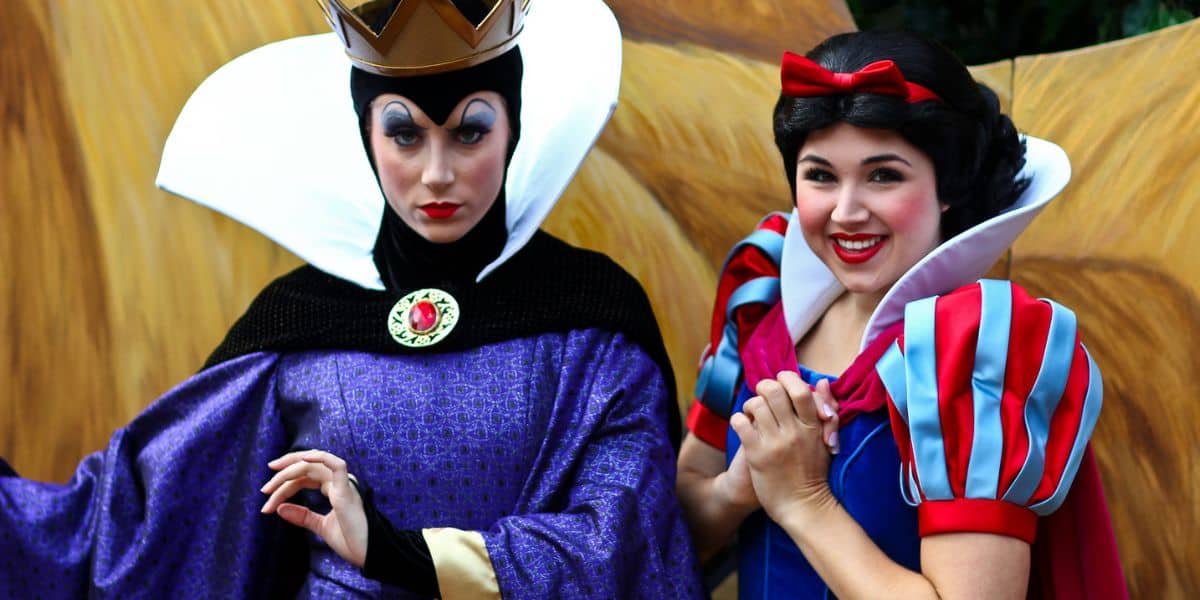
The latest firestorm centers on a viral rumor that Disneyland has fired a beloved actress who played the Evil Queen. While fans mourn the loss of a specific performer, the incident has blossomed into a much larger movement. From TikTok to X, Cast Members are breaking their NDAs to speak out about a toxic cocktail of guest abuse, corporate apathy, and the mental toll of being “permanently pleasant.”
The Evil Queen Incident: The Spark That Lit the Fire
The controversy began when social media videos began circulating, suggesting that a standout performer—famed for her razor-sharp, in-character wit as the Evil Queen—had been let go from the park. According to reports from Inside the Magic, the performer’s absence was immediately felt by a community of fans who had made visiting her a highlight of their trip.

While Disney officially maintains that personnel matters are private, the “firing” has acted as a catalyst. For face characters—the actors who portray human roles like princesses and villains—the pressure is immense. They must maintain a specific physical look, navigate complex guest interactions, and adhere to rigid performance guidelines. When a popular performer is suddenly removed, it serves as a stark reminder to other Cast Members that they are seen as interchangeable cogs in a multi-billion-dollar machine.
The End of the “Disney Silence”
For a long time, talking about the “backstage” reality of Disney was a one-way ticket to being “disenchanted” (fired). However, the rise of “Work-Tok” and anonymous social media accounts has changed the landscape.
As noted by UncleWalt1971 on X, more Cast Members are starting to pull back the curtain on how Disney and its guests treat them. “The magic is built on our backs, but we’re the first ones to get thrown under the bus,” the tweet suggests.
This newfound vocalism is a direct response to a shift in work culture. Modern Cast Members are less willing to sacrifice their mental health for a corporation that they feel doesn’t have their back. They are professionals in high-stress roles, and they are beginning to demand the respect—and the protection—that comes with that reality.
The “Main Character” Guest Problem
The most significant driver of the cast member exodus and the current wave of “speaking out” is the behavior of the guests. In 2026, a Disney vacation is a massive financial investment. With the costs of Lightning Lane Premier Passes and tiered ticket pricing, guests arrive with a sense of “Main Character Syndrome.”
Kayla.g21 on X pointed out the toxic dynamic that has emerged: “Disney fans are some of the most entitled people on the planet.” When a guest feels they haven’t received “maximum value” for their thousands of dollars, the cast member becomes the target.
For performers like the Evil Queen, this volatility is doubled:
- Baiting for Views: Guests often try to provoke characters into “breaking” or saying something controversial to capture a viral moment on social media.
- Physical Harassment: Boundary-crossing under the guise of “hugs” or “photos” remains a systemic issue for face characters.
- Verbal Abuse: Cast Members are frequently berated for things outside their control—ride breakdowns, weather delays, or even the price of a churro.
Corporate Apathy: The “Guest is Always Right” Fallacy
While guest behavior is the spark, corporate policy is the fuel. Many Cast Members feel that Disney leadership prioritizes “Guest Satisfaction Scores” over employee safety.

A common complaint surfacing in 2026 is that when a guest is abusive, managers often “reward” that behavior with free perks to de-escalate the situation. This leaves the cast member feeling devalued and unsafe. The rumored firing of the Evil Queen actress has only deepened this rift; if a performer is let go for standing up to a problematic guest, it sends a chilling message to the entire workforce.
Furthermore, face characters face a unique corporate pressure: social media jealousy. If a specific actor becomes “too famous” on TikTok, Disney often cracks down, fearing that the person is overshadowing the “Intellectual Property.” In Disney’s eyes, the Evil Queen belongs to the company; the person wearing the crown is just a temporary resident.
The Mental Toll of the “Smile”
The term “emotional labor” doesn’t quite cover what it takes to be a Disney cast member. The job requires maintaining “aggressive friendliness” regardless of personal circumstances or external abuse.

“You are expected to be a smiling statue for eight hours a day,” one former character performer shared on Reddit. “But when you go home, and you realize you can’t afford rent in Anaheim on what Disney pays you, the smile becomes a scar.”
This gap between the “Magic” Disney sells and the economic reality of the workers who create it has led to a surge in union activity and a more unified front among the parks’ workforce.
Conclusion: A New Era for the Magic
The “Evil Queen” controversy is about more than just one performer; it’s about the soul of the parks. As we move into the middle of 2026, the message from the front lines is clear: the “Disney Magic” is no longer a valid excuse for poor treatment.

If Disney wants to keep the magic alive, it must address the “human” element of their IP. Guests, too, are being called to account. The era of the “faceless worker” is over. Behind every crown, every set of ears, and every name tag is a person who deserves to be treated with the same respect they are required to give.