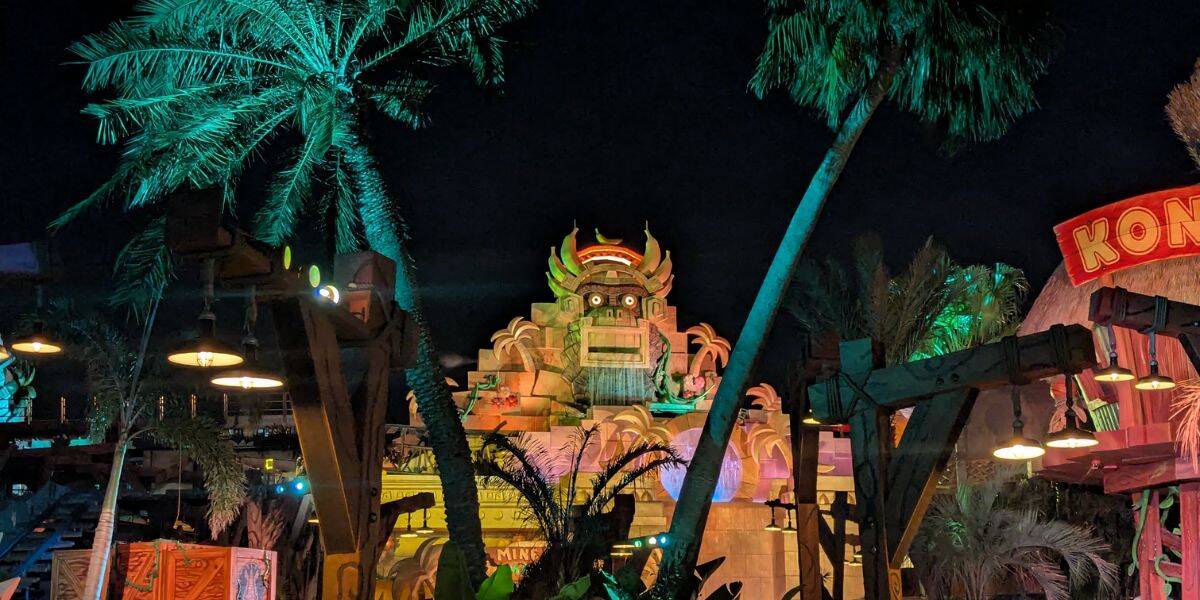
The promise of Universal’s Epic Universe was supposed to be one of pure magic and unprecedented immersion. But for one family visiting the highly anticipated SUPER NINTENDO WORLD, the experience devolved into a heartbreaking display of corporate insensitivity and a total failure to understand the needs of neurodivergent guests.
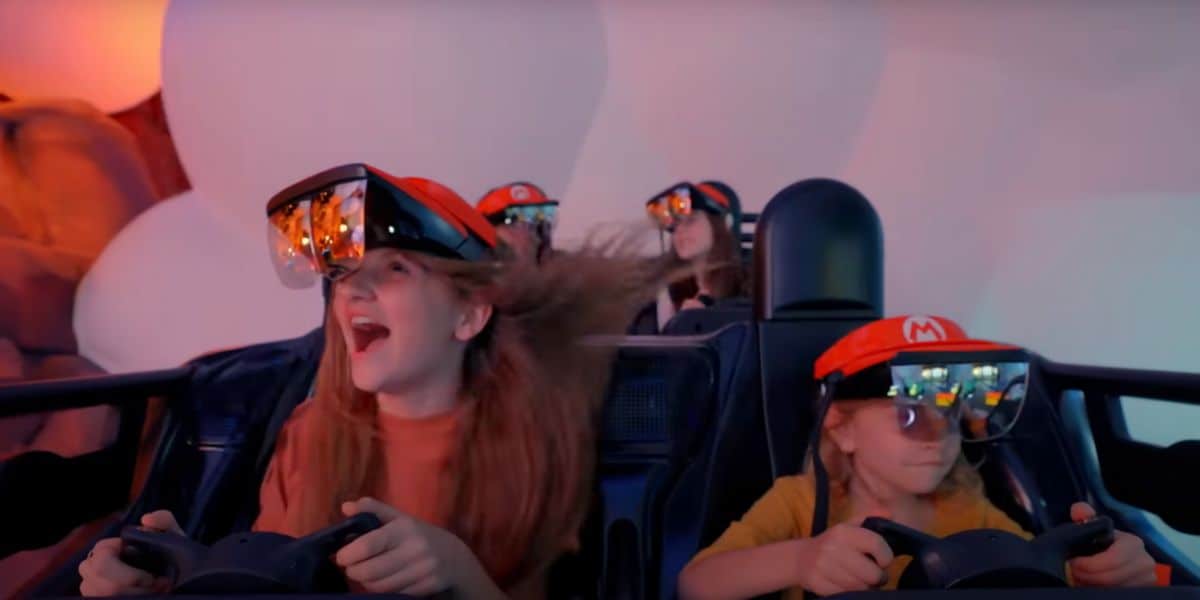
A routine trip to a gift shop turned into a traumatic event when a 10-year-old boy with autism was accused of shoplifting a Mario keychain. The incident, first reported by ClickOrlando and Florida Politics, has ignited a firestorm of criticism regarding the lack of specialized training for theme park staff and the “zero-tolerance” policies that often penalize the most vulnerable visitors.
The Incident: Sensory Seeking vs. Security Protocols
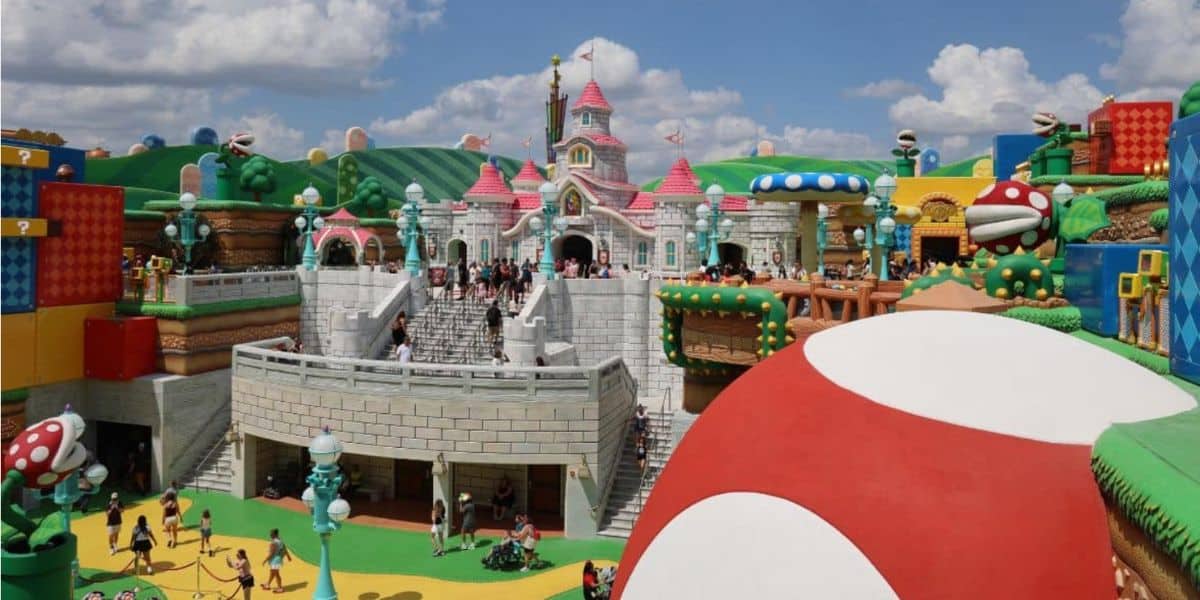
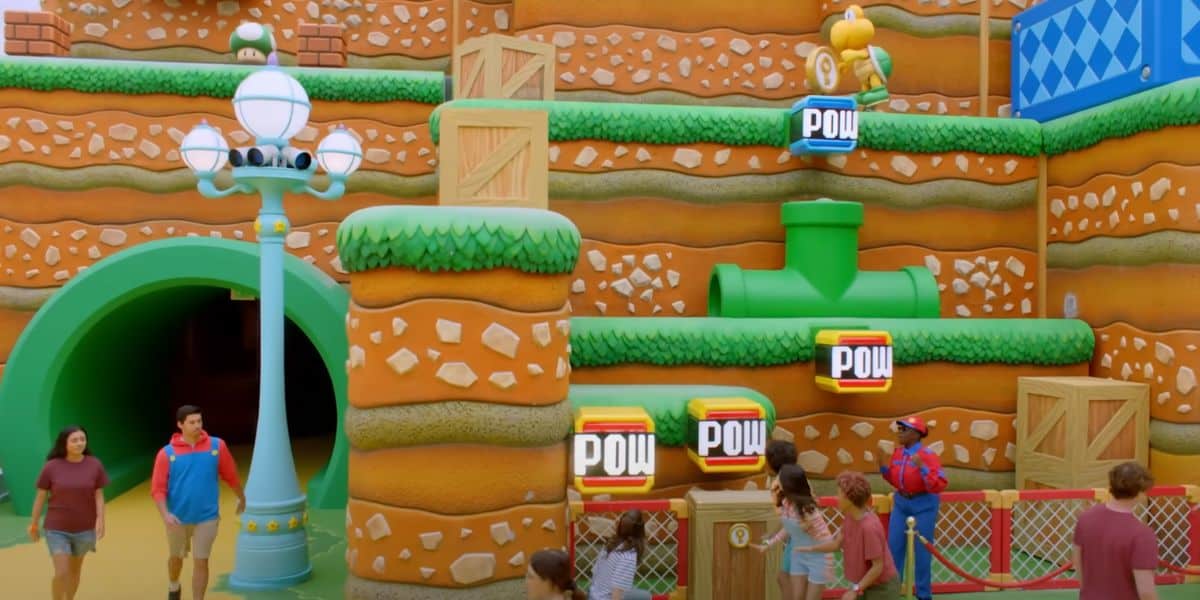
The confrontation began in a bustling retail location within the Nintendo-themed land. Like many children on the autism spectrum, the 10-year-old boy in question often uses small objects as sensory tools—a behavior known as “stimming” that helps regulate overstimulation in crowded, loud environments. In the sensory-heavy environment of Epic Universe, the boy picked up a Mario keychain and held it for comfort.

According to the family, Universal’s loss prevention team intervened with aggressive immediacy. Despite the parents’ immediate attempts to explain their son’s disability and their offer to pay for the item on the spot, the situation was not de-escalated. Instead, the family was escorted through the park in front of other guests, accused of theft, and ultimately served with a permanent trespass order.
A Lack of Sensitivity: The “Invisible Disability” Problem
The core of the outrage lies in Universal’s perceived lack of sensitivity. For a child with autism, a security confrontation isn’t just a “misunderstanding”—it is a terrifying, high-stress event that can cause long-term emotional distress.
Critics argue that Universal’s security and retail teams are currently trained to spot “theft” but aren’t equipped to recognize “neurodiversity.” The symptoms of autism in a high-stakes environment can often be misidentified as suspicious behavior:
- Lack of Eye Contact: Often viewed by security as “evasive,” it is a common trait for those on the spectrum.
- Non-Responsiveness: A child experiencing a sensory meltdown or “shutdown” may not respond to verbal commands from law enforcement officers.
- Tactile Seeking: The need to hold an object for sensory grounding can be mistaken for an intent to steal.
By choosing to ban the family rather than engaging in a compassionate dialogue, Universal has been accused of prioritizing rigid corporate policy over basic human empathy.
The High Cost of Exclusion
Universal Orlando prides itself on its Disability Access Service (DAS), yet this incident reveals a massive gap in the “guest experience.” While accommodations are made for ride queues, there appears to be a significant lack of training for staff in retail, dining, and security—the “front line” areas where neurodivergent guests are most likely to face social friction.
The decision to issue a permanent trespass order to a family over a $10 keychain—especially when a disability was clearly identified and an explanation offered—has been described by advocates as an “epic failure” of judgment.
The Growing Demand for “Autism-Certified” Training
As theme parks become more technologically advanced and immersive, the human element of guest service is falling behind. Advocacy groups are now calling on major Orlando parks to implement Certified Autism Center (CAC) training for all employees, not just those in guest relations.
What this training could have changed:
- De-escalation First: Teaching security to pause and assess for a disability before initiating an arrest or ban.
- Quiet Rooms: Providing a space for a family to resolve a situation away from the stimulus of the park floor.
- Manager Involvement: Ensuring that a “Duty Manager” with disability training is called to the scene before any permanent legal action is taken.
Conclusion: A Lesson for Future Travelers
For families traveling with children on the spectrum in 2026, the Epic Universe incident is a sobering reminder that “inclusion” is still a work in progress. While the park offers state-of-the-art rides, the social infrastructure for neurodivergent families remains fragile.
As the legal ramifications of this case continue to unfold, the message to Universal is clear: Being “Epic” should include being empathetic. A Mario keychain shouldn’t cost a child their right to experience magic.
Should major theme parks be required to have “Autism Specialists” on-call for security incidents? Join the conversation in the comments below.