For decades, EPCOT was the “educational” pillar of Walt Disney World. Designed as a permanent world’s fair, it was a place where families gathered to explore the history of communication, the depths of the ocean, and the cultures of eleven distinct nations. However, as we head into 2026, the park’s identity is undergoing a crisis that has been featured in the Wall Street Journal.

In a recently published investigative report, the Wall Street Journal questioned whether EPCOT has lost its original purpose, evolving instead into a high-priced “drinking park” dominated by “Disney Adults.” The report has ignited a fierce debate within the travel industry and the Disney fan community: Has the “Drinking Around the World” culture finally pushed the “Most Magical Place on Earth” too far?
The Rise of “Drinking Around the World”
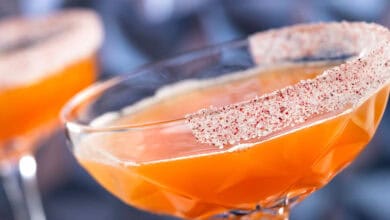
What began as an informal “challenge” among adult fans has become the defining characteristic of the EPCOT experience for many. The “Drinking Around the World” challenge—where guests attempt to consume an alcoholic beverage in every pavilion of the World Showcase—is no longer a niche activity. It is a full-blown subculture.
Walk through the World Showcase on any given afternoon in late 2025 or early 2026, and the evidence is everywhere. Custom-made, matching t-shirts with checklists serve as the unofficial uniform. “I’m the reason we’re only in Mexico” and “Drinking Around the World: Most Likely to Get Kicked Out” are familiar sights. While Disney does not officially endorse the challenge, the proliferation of festival kiosks throughout the year has made participation easier than ever for guests.
The Wall Street Journal Report: A Sobering Look
The Wall Street Journal investigation highlights the friction this creates for the park’s traditional demographic: families with children. The report details accounts of guests witnessing rowdy behavior, public intoxication, and a “frat party” atmosphere that feels out of place in a Disney park.

For many parents, the “Disney Bubble” feels like it’s bursting at the World Showcase lagoon. The report notes an increasing number of families who now avoid the back half of the park after 4:00 p.m., particularly on weekends or during the Food & Wine Festival, to escape the loud and occasionally stumbling crowds.
The Profit Margin of Intoxication
If the behavior is causing a “chilling effect” on families, why hasn’t Disney implemented a stricter crackdown? As the Inside the Magic analysis of the WSJ report suggests, the answer is likely financial.

Alcohol is one of the highest-margin items in any theme park. An $18 margarita in Mexico or a $16 souvenir beer in Germany represents a massive profit for the company. With Disney facing pressure to increase domestic revenue as ticket prices hit record highs, the “Disney Adult” demographic is a vital economic engine. These are guests who often have higher disposable income, no strollers to navigate, and a willingness to spend heavily on “premium” experiences—including cocktails.
2026: Policing the Magic
As we move through 2026, the question is how Disney will balance these two conflicting audiences. There have been reports of subtle changes to manage the atmosphere:

- Security Presence: An increase in “plainclothes” security within the World Showcase to identify and escort out guests who are overly intoxicated.
- Dress Code Enforcement: A stricter look at “matching shirts” that contain offensive or overly aggressive drinking-related language.
- Hydration Stations: The addition of more free water stations to encourage responsible consumption.
However, many critics argue these are “band-aid” solutions. The WSJ report suggests that the very layout of the park—with its eleven pavilions focused on food and drink—now naturally encourages guests to adopt a party mindset rather than the intellectual curiosity Walt Disney originally envisioned.
The “Disney Adult” Defense
On the other side of the debate, many “Disney Adults” argue that they have as much right to the park as any family. They point out that EPCOT was always intended to be the “adult” park of the resort and that enjoying a high-quality cocktail while exploring global architecture is a sophisticated way to spend a vacation. For this group, the “Drinking Around the World” challenge is simply a social way to experience the park’s unique offerings.

Final Thoughts: A Park in Transition
The Wall Street Journal report serves as a pivotal moment for EPCOT’s reputation. As 2026 unfolds, Disney leadership faces a difficult choice: double down on the lucrative adult party atmosphere or pivot back toward a family-centric educational mission.

With the massive construction projects of the last few years finally completed, the physical park has never looked better. But the “soul” of EPCOT—and whether it remains a place for a five-year-old’s first international discovery or a thirty-year-old’s next round of shots—is still very much up for debate.
What do you think? Has the drinking culture at EPCOT ruined the family atmosphere, or is it just a natural evolution of the park? Let us know in the comments below.