Disney’s ability to transform animated characters into enduring commercial assets has defined the company’s business strategy since Walt Disney first recognized that Mickey Mouse merchandise could generate revenue streams independent of theatrical releases.
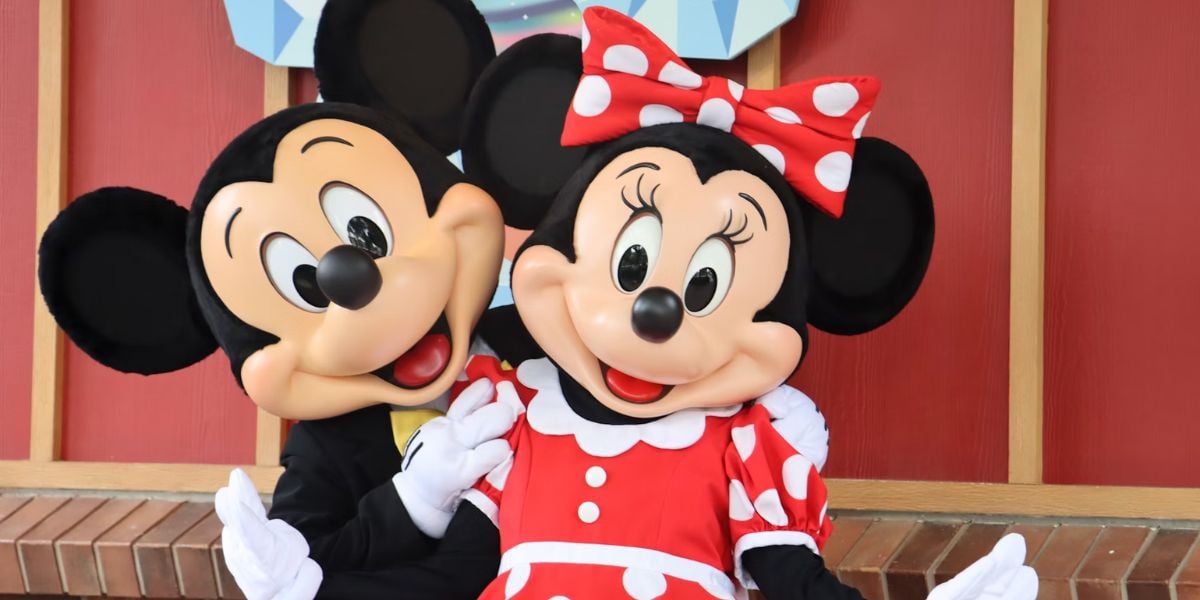
The model established nearly a century ago remains fundamental to Disney’s operations: create compelling characters, produce content featuring those characters across multiple platforms, and monetize their popularity through merchandise, licensing, and brand partnerships. Mickey Mouse pioneered this approach and has maintained his position as Disney’s premier character asset for generations, his instantly recognizable silhouette adorning products across every conceivable category.
The mouse’s commercial dominance seemed permanent, an immutable fact of the entertainment landscape that newer characters could aspire to but never truly challenge. Disney has introduced countless characters over its history, each receiving varying degrees of promotional support and merchandising investment. Most achieve modest success, generating respectable revenue during their initial popularity window before settling into supporting roles within Disney’s vast character roster.
A select few break through to achieve sustained commercial viability that extends well beyond their source material’s release, becoming cultural touchstones that resonate across demographic boundaries and geographic markets. These breakthrough characters possess qualities that transcend simple appeal, connecting with audiences on emotional levels that foster deep loyalty and long-term engagement. Identifying which characters will achieve this status remains more art than science despite Disney’s sophisticated market research capabilities and decades of experience.
Sometimes the company’s biggest investments underperform while relatively modest productions yield unexpected phenomenon. The variables that determine lasting success include design aesthetics, narrative context, voice performance, marketing execution, and that indefinable quality of authentic connection that cannot be manufactured through corporate strategy alone.
Stitch, the genetically engineered alien from 2002’s Lilo & Stitch, has proven to be one of these rare breakthrough characters. More than two decades after his debut, Stitch has not only maintained relevance but has achieved commercial success that places him in direct conversation with Mickey Mouse himself, generating over $5 billion in revenue for Disney during 2025.
Convergence of Multiple Revenue Streams
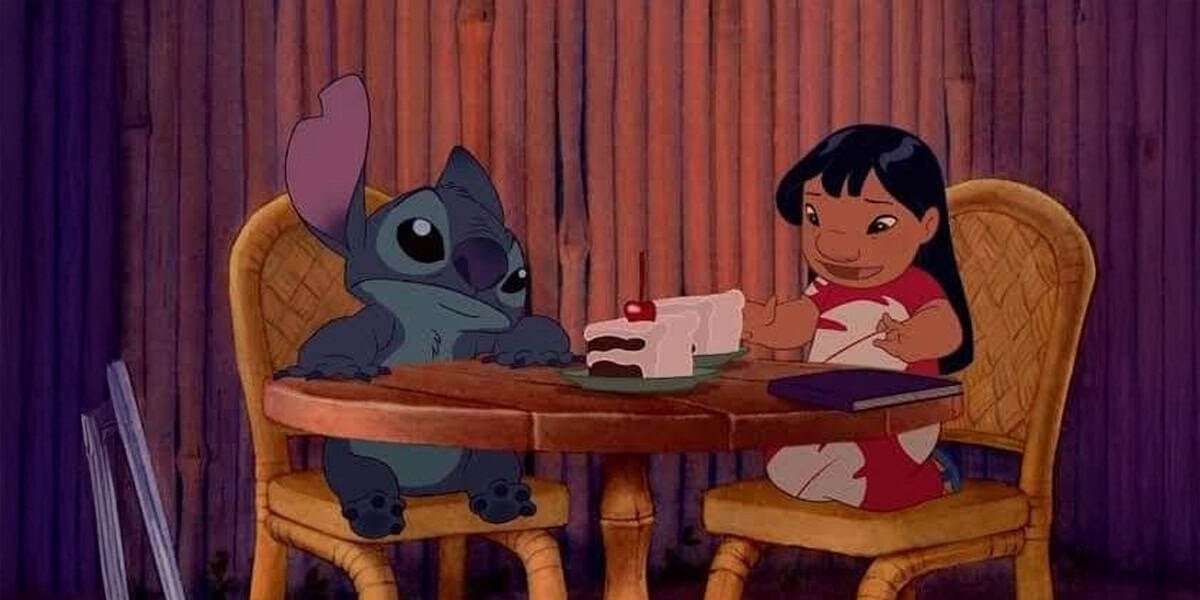
Stitch’s extraordinary 2025 financial performance resulted from simultaneous success across multiple business channels that collectively produced unprecedented returns. The live-action Lilo & Stitch remake, which faced skepticism from animation purists questioning whether a 2002 film required live-action treatment, defied critics by earning over $1 billion at the global box office to become one of the year’s highest-grossing releases.
This theatrical success catalyzed a merchandise explosion that saw Stitch products dominating retail channels throughout the fiscal year. Disney disclosed to The Hollywood Reporter that Stitch merchandise sales exceeded $4 billion, a figure that represents one of the highest single-character merchandise performances in company history. When combined with box office receipts and additional revenue from licensing, theme park presence, and digital content, Stitch’s total contribution surpassed $5 billion.
The scale of this achievement becomes clear when comparing it to Disney’s other character properties. Few characters beyond the company’s most established icons have ever generated this level of annual revenue, and accomplishing it just over 20 years after the character’s creation represents remarkable commercial velocity.
Understanding Stitch’s Universal Appeal
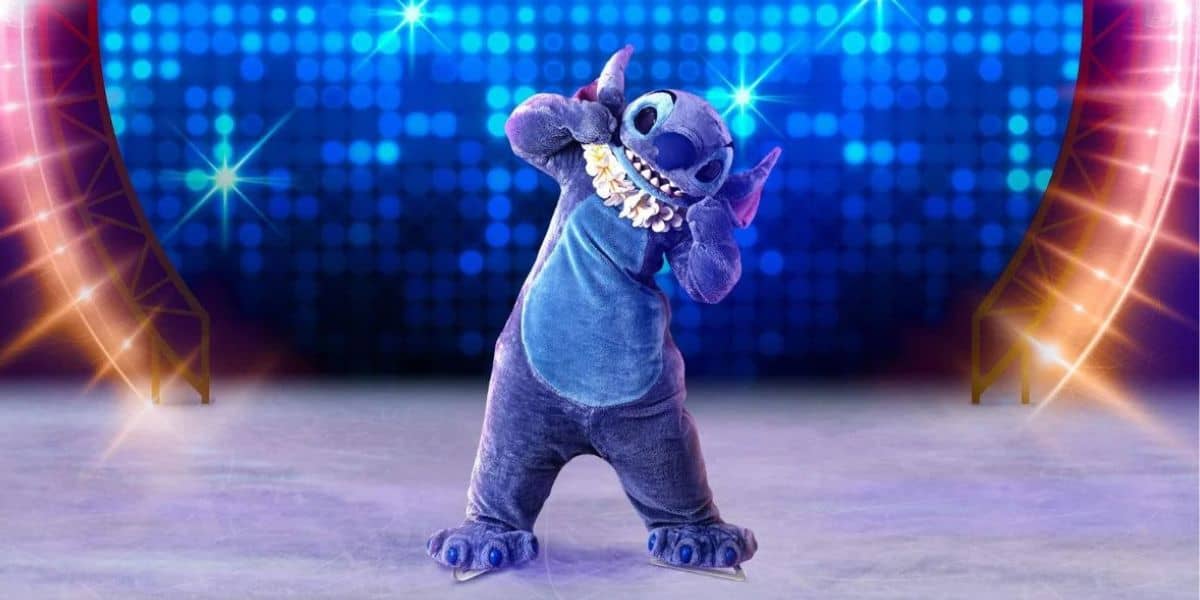
Asad Ayaz, serving as Disney’s chief brand officer, provided insight into the character qualities that have enabled Stitch’s cross-generational and cross-cultural success. Speaking with The Hollywood Reporter, Ayaz noted: “When you look at some of our most famous and long-lasting characters, it’s the ones who are fun, silly, a little rambunctious but they always do the right thing in the end. And Stitch is exactly that.”
Ayaz elaborated on what distinguishes Stitch from characters that fail to achieve lasting resonance: “He is flawed in ways we all recognize: sometimes being a little naughty, but always trying his best. That authenticity, and instant familiarity, is what transforms a character into a cultural phenomenon that resonates across generations.”
This analysis identifies Stitch’s key differentiator: relatability through imperfection. Rather than presenting as an idealized hero whose perfection creates distance between character and audience, Stitch embodies struggle with behavioral control, impulse management, and understanding consequences. His journey from destructive force to beloved family member mirrors personal growth narratives that audiences recognize from their own experiences.
The character’s visual design also contributes significantly to commercial appeal. Stitch occupies a unique aesthetic space, combining cute elements that drive plush toy sales with slightly grotesque features that differentiate him from conventional Disney characters. His expressiveness allows emotional communication that transcends language barriers, facilitating his success in international markets where cultural context might otherwise limit appeal.
Sustained Content Production Strategy
Disney has maintained Stitch’s relevance through continuous content development across multiple formats and platforms since the original film’s release. The initial success prompted Stitch! The Movie in 2003, followed by Lilo & Stitch 2: Stitch Has a Glitch in 2005. The television series Lilo & Stitch: The Series aired from 2003 to 2006, concluding with the Leroy & Stitch television movie in 2006.
International content strategy has been particularly important to Stitch’s global reach. The Japanese anime series Stitch! ran from 2008 to 2011 with additional seasons in 2012 and 2015, building substantial fan bases in Asian markets. The Chinese animated series Stitch & Ai launched in 2017, further expanding the character’s presence in a critical growth market for Disney.
Theme park integration has provided consistent physical presence, though not without challenges. Magic Kingdom’s Stitch’s Great Escape attraction proved unpopular and eventually closed, but Tokyo Disneyland continues successfully operating The Enchanted Tiki Room: Stitch Presents Aloha e Komo Mai! Video game appearances in Kingdom Hearts and Disney Infinity exposed Stitch to gaming demographics, while special event takeovers at Disneyland parks have maintained visibility in Disney’s promotional calendar.
The 2025 live-action film revitalized mainstream awareness while introducing the character to younger audiences born after the original animated release. A sequel currently in development ensures continued content support for merchandise initiatives extending into future years.
Unprecedented Challenge to Mickey Mouse
The most significant indicator of Stitch’s elevated status within Disney’s character hierarchy came through his selection to replace Mickey Mouse for the 2025 Disney Holiday Magic Tour. This traveling charitable initiative visited over 20 U.S. cities, distributing gifts to underserved communities and hosting public events that traditionally featured Mickey Mouse as Disney’s representative.
While Mickey remains Disney’s official corporate mascot and still generates higher total merchandise sales than Stitch, the decision to feature Stitch in this high-profile role signals corporate recognition that the alien has achieved sufficient cultural penetration to represent Disney in contexts previously reserved for the mouse.
The tour included a December 10 Broadway appearance when Stitch appeared during the Aladdin curtain call to promote Toys for Tots donations, demonstrating his utility in corporate social responsibility campaigns requiring broad public recognition and positive sentiment.
Ayaz explained the strategic thinking: “Disney has a long-standing tradition of giving back, and ensuring that the connection with Stitch inspired real-world impact was a natural next step. Stitch connects because he’s joyfully imperfect. His playful mischief and big heart reflect how many of us move through the world, trying, stumbling and always finding our way back to ‘ohana. That authenticity makes him totally relatable. He translates into every culture and every language because he feels like he’s part of the family.”
Executive Recognition
CEO Bob Iger directly addressed Stitch’s performance in communications with Wall Street analysts, stating: “The popularity of this global phenomenon underscores the franchise’s enduring strength and the effectiveness of our strategy to invest in popular stories and characters.”
This executive-level acknowledgment confirms that Disney views Stitch not as a temporary merchandising spike but as a foundational element of the company’s character portfolio deserving continued investment and strategic development. The $5 billion annual revenue figure provides quantitative validation for content strategies and marketing investments that some observers questioned when announced.
Stitch’s trajectory from supporting character in a modestly budgeted 2002 animated film to commercial force rivaling Mickey Mouse demonstrates that character development remains partially unpredictable despite corporate resources and market research. Authentic emotional connection continues determining which characters achieve legendary status, and Stitch has proven that relative newcomers can still reach those heights when they resonate with fundamental human experiences.