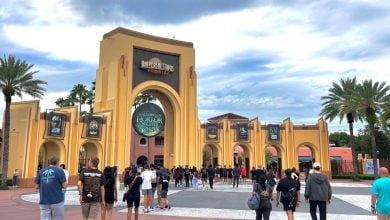
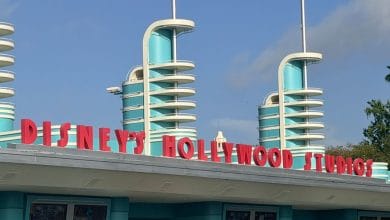
One of Universal’s newest theme parks was meant to cement the company’s global ambitions. Instead, its financial results have exposed the risks behind a decade-long expansion strategy built on scale and blockbuster intellectual property.
Universal has spent years investing billions in large, franchise-driven parks designed to compete directly with Disney. That strategy appeared validated last year with the opening of Epic Universe in Orlando, which has drawn strong early attendance (if the six-hour lines for Harry Potter and the Battle at the Ministry are anything to go by).

Beyond Florida, Universal has widened its domestic and global footprint. The company now operates a year-round immersive attraction in Las Vegas and opened Universal Beijing Resort in 2021, marking its first full-scale theme park in China.
At the time, the Beijing opening was framed as a landmark moment. Universal had entered the world’s most competitive theme park market, signaling confidence that its franchises could travel and perform at scale.
Universal’s Expansion Plans Continue Worldwide
Universal’s growth ambitions are far from over. A full-scale theme park resort in the United Kingdom has already been confirmed, with planning permission granted in 2025 and early work now underway.

The UK project will mark Universal’s first major park in Europe. The development underscores the company’s belief that demand for destination entertainment remains resilient, even as broader economic pressures weigh on discretionary spending.
In the United States, Universal is preparing to open Universal Kids Resort later this year. Located in Frisco, Texas, the smaller park targets younger audiences and carries a lower price tag than traditional mega-parks.
The Texas project reflects a diversification strategy. Rather than relying solely on massive resort destinations, Universal is experimenting with scaled-down concepts designed to reach regional audiences.

Reports have also suggested that Universal is planning a new theme park near Riyadh in Saudi Arabia. While not confirmed, the move would place Universal in direct competition with Disney’s planned expansion in Abu Dhabi.
Together, these projects point to a company still firmly committed to global growth. Universal continues to prioritize immersive, IP-driven experiences as it races to establish dominance across multiple regions.
That momentum, however, has not translated evenly. Some newer international investments have struggled to deliver immediate financial success, exposing the risks tied to large-scale tourism development.
Beijing’s Financial Struggles Come Into Focus
Nowhere is that tension clearer than in Beijing. In 2024, Shanghai Disneyland welcomed 14.7 million visitors and reported a net profit of 850 million yuan, roughly $124.7 million.
Universal Beijing Resort, by contrast, recorded 9.88 million visitors during the same period but still posted a net loss exceeding 1.5 billion yuan, equivalent to about $220.1 million.
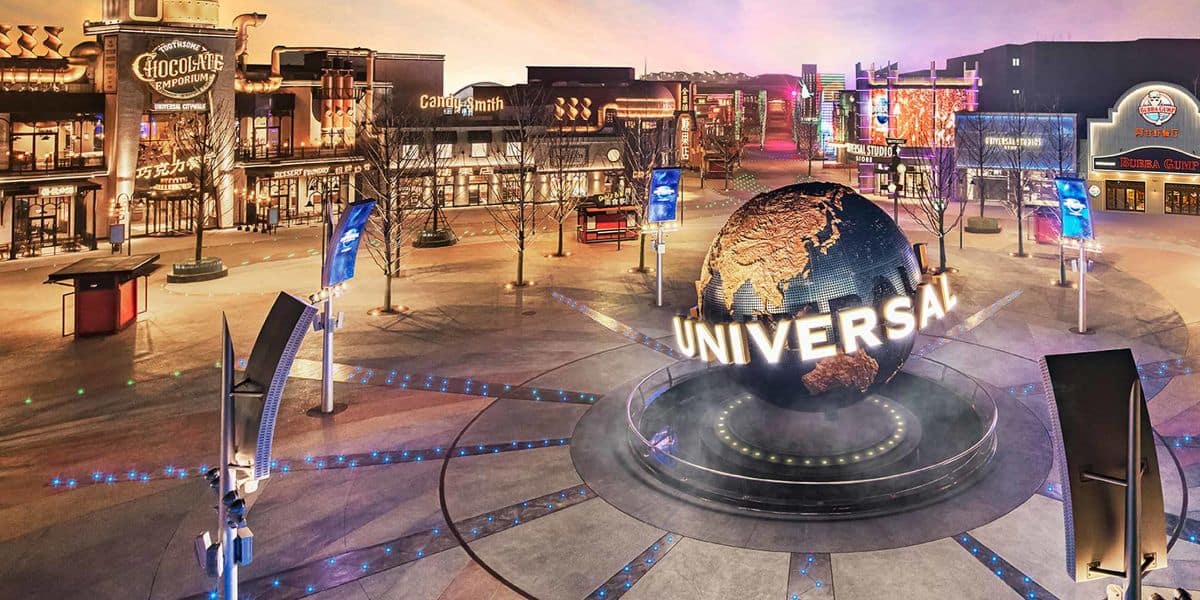
The disparity has reignited debate over whether massive theme park developments still guarantee strong returns in China. According to Sina, analysts increasingly argue that “dinosaur-era” projects built on sheer scale are becoming harder to sustain.
Industry observers say Universal overestimated the long-term stability of northern China’s market. Population outflows, regional economic slowdown, and shifting travel patterns have made high operating costs difficult to justify.
Those challenges extend beyond Universal. Several major cultural tourism projects in northern China, including ski resorts and large entertainment complexes, have also reported persistent losses in recent years.
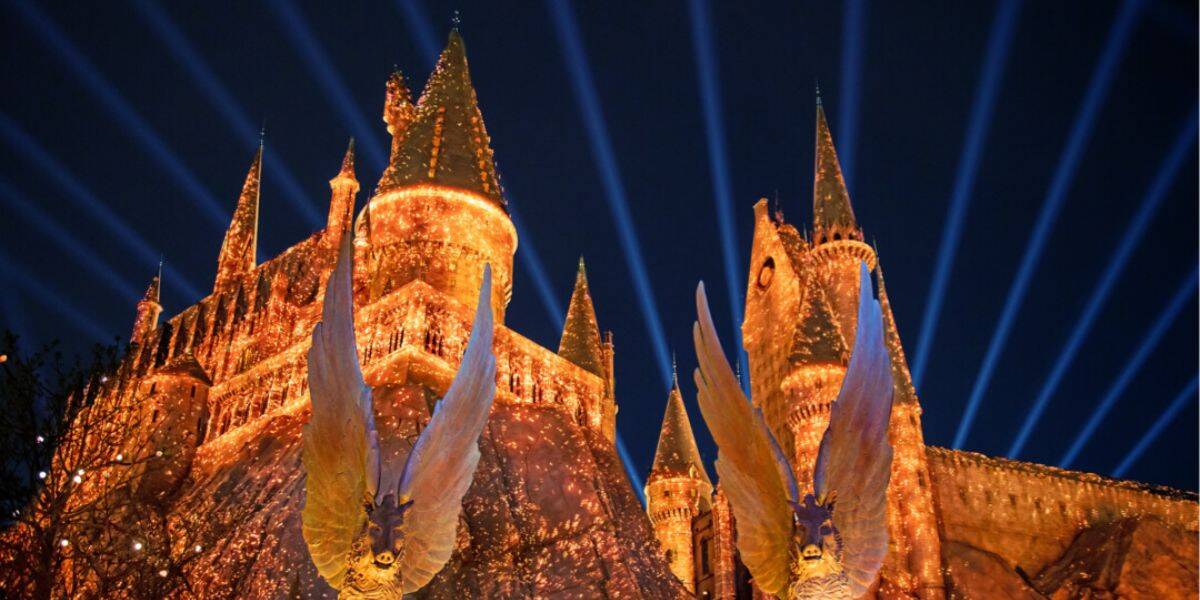
Universal Beijing Resort has faced additional criticism for failing to align closely with local tastes. In October, CAC News reported that the park has lost roughly 3 billion yuan, or $426 million, since opening.
While some losses stem from COVID-19 disruptions during its first year, CAC News pointed to deeper issues tied to intellectual property selection and cultural relevance.
The park features seven themed lands, including The Wizarding World of Harry Potter, Transformers Metrobase, Minion Land, and Jurassic World Isla Nublar.

CAC News reports that franchises like Harry Potter and Transformers, despite global success, lack the same commercial pull in China as they do in Western markets. It remains to be seen whether the upcoming Harry Potter reboot on HBO – set to premiere later this year – will impact this interest.
Shanghai Disneyland pursued a different strategy. Its attractions incorporate local dialects, festivals, and cultural references designed to resonate with domestic audiences.
Former Disney CEO Bob Iger once described the park as “authentically Disney and distinctly Chinese.”
By comparison, critics argue Universal Beijing Resort has struggled to localize at the same level, raising broader questions about how global entertainment brands adapt in increasingly competitive international markets.
Have you ever visited Universal Beijing Resort?