Accusations of Racial Insensitivity at EPCOT
EPCOT’s World Showcase has recently come under fire for accusations of containing racist stereotypes. This backlash has sparked a heated debate among visitors regarding the portrayal of different cultures within the themed pavilions. Guests have taken to social media to voice their opinions, sharing experiences that highlight what they perceive as oversimplified and stereotypical representations.
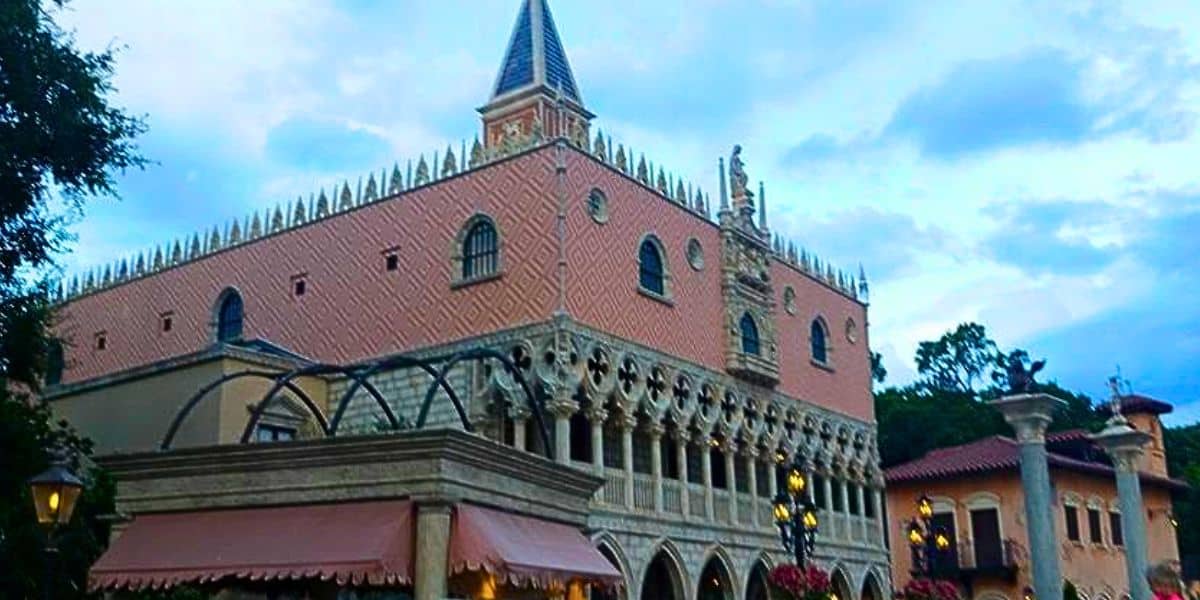
Many visitors expressed disappointment after experiencing the cultural displays, claiming that they focused more on clichés than authenticity. For instance, a visitor noted that Canada’s representation relied heavily on stereotypes, such as maple syrup, moose, and plaid prints. Such portrayals led guests to feel that the pavilions misrepresented the true essence of each culture, lending more credence to the accusations of racist stereotypes within EPCOT’s World Showcase.
Another aspect that has drawn attention is the Gran Fiesta Tour Starring the Three Caballeros, which has faced criticism for being perceived as racially insensitive. While some defend the attraction as a fun and authentic slice of culture, others argue that it perpetuates harmful stereotypes. The public outcry over these attractions illustrates the growing concern over cultural sensitivity in entertainment settings.
The Intentions Behind World Showcase
The conceptual foundation of EPCOT’s World Showcase was to provide guests with an immersive experience of various countries and cultures. Disney intended to create a space where visitors could interact with the culture, cuisine, and traditions of each represented nation. The original aim was to facilitate cross-cultural understanding and appreciation through authentic experiences.
However, as visitors have pointed out, the execution of this vision has undergone significant changes over time. Initially, the pavilions included inputs from the countries themselves, with international representatives involved in the construction of their respective displays. This approach aimed to reflect an accurate portrayal of cultural environments. As the years progressed, corporate sponsorships increasingly replaced this representation, raising concerns that the integrity of artistic expression had been compromised.
Despite the intention behind the World Showcase, the evolving entertainment landscape has led to adaptations that some view as diluting the original concept. The introduction of Disney’s intellectual properties within the pavilions has raised questions about the balance between fantasy and cultural representation.
Authenticity vs. Commercialization
The struggle for authenticity within EPCOT’s World Showcase highlights the challenges of representing diverse cultures in a commercial environment. Critics argue that many of the experiences and food offerings have been “Americanized,” diminishing their authenticity. Patrons with personal ties to certain cultures have pointed out that certain dishes, particularly those found in the Chinese and Japanese pavilions, serve a version of the cuisine that deviates significantly from traditional recipes.

These changes not only confuse the experience but also inadvertently further reinforce stereotypes. Guests expect to be met with genuine cultural experiences. Still, they often find food and entertainment that cater more to American tastes rather than truly representing the authentic identities of the nations.
The controversy surrounding the representation of cultures underscores a significant concern for EPCOT’s management. Disney finds itself treading a fine line between creating enjoyable experiences for all guests and maintaining respectful and accurate representations of cultural diversity.
The Ongoing Dialogue on Diversity
The dialogue surrounding EPCOT’s World Showcase and the accusations of racist stereotypes has been intensified by social media platforms. Guests expressing their thoughts on these platforms have turned into a hub for broader discussions about representation and cultural sensitivity in entertainment. This engagement facilitates a multifaceted conversation, allowing individuals from diverse backgrounds to share their perspectives.

Community responses have varied greatly, with some employees and guests defending the showcase as a fun and educational experience while others push for substantial changes. The evolving nature of these discussions may influence how EPCOT addresses its cultural portrayals moving forward, as more individuals demand accountability from large corporations.
As the scrutiny surrounding EPCOT’s World Showcase continues, the future remains uncertain. The park’s management must navigate the complexities of cultural representation while remaining true to its original purpose. Whether they will adapt the World Showcase honor better or the cultures represented within its boundaries remains to be seen. However, what is clear is that the conversation about representation and the accusations of racist stereotypes will likely continue.