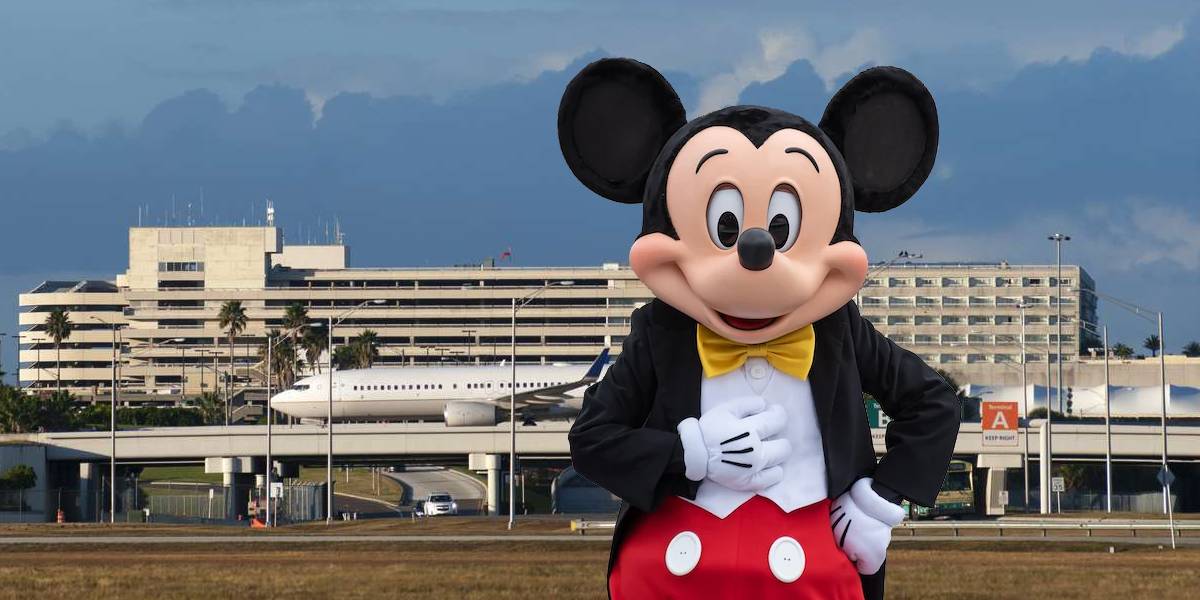
Disney parks around the world are asking guests to be patient when traveling through dozens of airports, as over 6,000 flights have been grounded after a glitch caused a plane to plunge towards the ground.
A Jarring Drop That Left Passengers Shaken
The cabin lights flickered. Passengers felt their stomachs rise into their throats. A sudden, violent drop rattled a JetBlue flight late last month, sending drinks airborne and travelers gripping their armrests as the plane plunged toward lower altitude. For several seconds, no one understood what was happening — only that the aircraft was falling, and fast.
Those terrifying moments have now triggered one of the most urgent global aviation responses in recent memory. And with millions of travelers preparing to fly to Orlando, Anaheim, and other vacation hotspots, many are asking the same question:
How many other planes might be vulnerable?
The answer, it turns out, is far larger than anyone expected.
A Silent, Hidden Risk Exposed
Airbus confirmed that more than 6,000 A320-family aircraft — the backbone of short- and medium-haul travel worldwide — have been temporarily grounded after investigators uncovered a rare but serious software flaw. What makes the issue particularly alarming is that it isn’t mechanical, nor the result of human error.
The problem originates hundreds of miles above Earth, in the form of powerful solar activity.
Following the October 30 JetBlue incident, in which the aircraft dropped from 35,000 to 10,000 feet, an FAA investigation found that intense solar radiation interfered with the jet’s flight control computers, scrambling data essential to maintaining stable altitude and steering.
Statement from @Airbus CEO @GuillaumeFaury on the #A320 precautionary measures:
Statement from @Airbus CEO @GuillaumeFaury on the #A320 precautionary measures:https://t.co/U4BANyBzGf pic.twitter.com/5X9uC3Ix2d
— Airbus Newsroom (@AirbusPRESS) November 29, 2025
The FAA’s report prompted Airbus to launch an unprecedented, immediate recall that affects airlines across North America, Europe, South America, and Asia.
According to Airbus, nearly 3,000 jets were airborne at the time the grounding was issued.

Airlines Racing to Update Their Fleets
Airlines worldwide are now rushing to install the required software update, which Airbus says takes roughly two hours per aircraft. The impact is already being felt:
American Airlines
-
Largest A320 operator in the world
-
About 340 aircraft require updates
-
Repairs expected to be completed within days
Lufthansa, IndiGo, and easyJet
-
All temporarily removing A320-family jets from rotation
Avianca
-
Over 70% of fleet affected
-
Suspended ticket sales through December 8 due to reduced capacity
Airbus emphasized that safety remains its top priority and apologized for the disruption, noting that the flaw was discovered only after analyzing detailed flight data from the JetBlue incident.
Major international outlets, including BBC News and the New York Post, are actively covering the developing situation.

Why Disney Travelers Will Feel This the Most
The timing couldn’t be more challenging for families headed to U.S. theme parks — especially those planning to fly into Orlando International Airport or Southern California airports in the coming days.
-
The Airbus A320 family is the most commonly used aircraft for routes serving Orlando and Anaheim, the gateways to Walt Disney World and Disneyland Resort.
-
Holiday travel demand surges dramatically in late November and December, often filling flights to capacity.
-
Even minor fleet reductions can trigger disruptions that cascade across entire networks.
Families planning their once-a-year vacation may face:
-
longer delays
-
fewer last-minute seats
-
elevated fares as airlines shift inventory
-
potential disruptions to hotel check-ins, park reservations, and dining plans
With Disney vacations requiring increasingly precise scheduling — from park passes to lightning lane reservations — any flight irregularity can throw off an entire trip.

The Bigger Picture: Tech vs. Nature
This incident also exposes a deeper issue the aviation world has quietly monitored for years: the vulnerability of modern aircraft systems to space weather.
As airplanes have grown more reliant on digital systems, experts have warned that strong solar storms could pose risks to navigation and control data. While safeguards exist and such events are extremely uncommon, the JetBlue incident demonstrated that even sophisticated systems can be affected under the right conditions.
Aviation analysts expect this recall to spark faster development of radiation-resistant avionics and enhanced shielding — innovations that may become standard in next-generation aircraft.

What To Do If You’re Traveling Soon
For travelers heading to Disney destinations between now and the next week, a few precautions may help:
1. Check flight status multiple times per day
Schedules are shifting rapidly as grounded aircraft are rotated back into service.
2. Consider flexible arrival windows
Arriving a day early can create buffer room in case of unexpected delays.
3. Keep airline apps and notifications turned on
Many airlines will auto-rebook passengers before they even reach the airport.
4. Avoid pre-paying for nonrefundable transportation or experiences
Until the situation stabilizes, flexibility is your best protection.

Aviation Responds — Travelers Wait
Airbus expects the majority of aircraft to be updated quickly, and regulators stress that this grounding is preventative, not reactive. But with thousands of jets affected, the ripple effect may linger as airlines work around temporary fleet reductions.
For now, travelers dreaming of castle fireworks and holiday magic may want to keep a closer eye on their flight itineraries than usual. The skies are still moving — just more cautiously than before.