When the news broke last October that Liam Payne, former One Direction member and globally known performer, had died after a fall from a Buenos Aires hotel balcony, the shock rippled far past the fandom. It wasn’t just a celebrity headline — it became one of those moments where the entertainment world collectively stopped, took a breath, and tried to make sense of something that felt senseless.
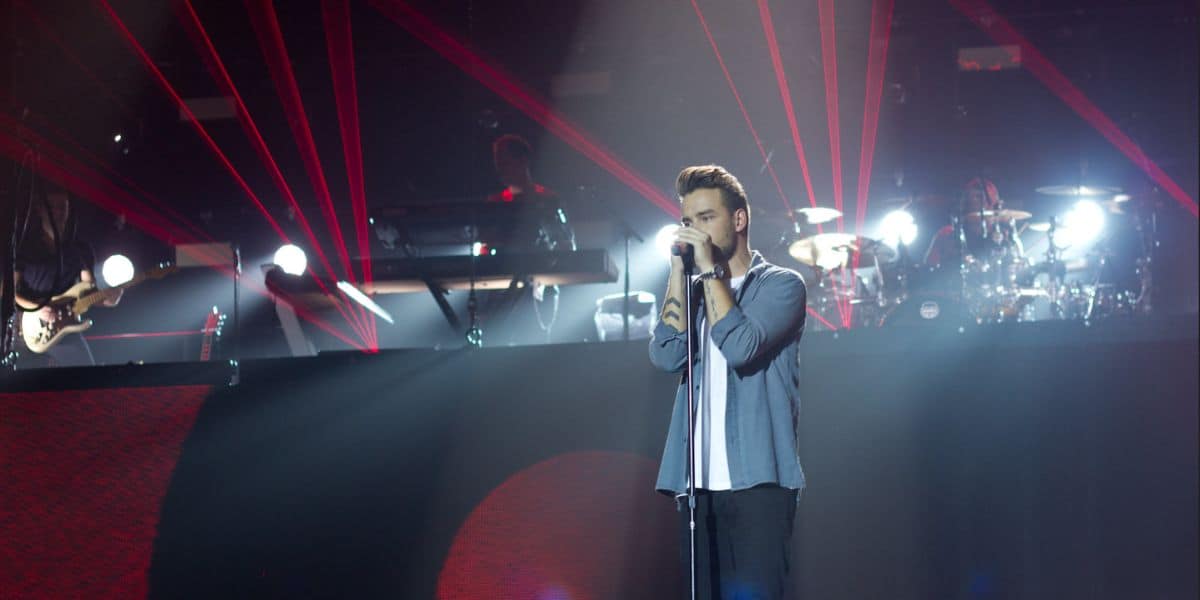
With the toxicology report confirming drugs and alcohol in Liam’s system and several arrests made in connection with the incident, fans were left mourning and searching for answers. But as happens far too often in modern pop culture discourse, part of that search spiraled outward into assigning fault. Social media lit up, and Simon Cowell, the industry titan who put One Direction together on The X Factor, suddenly became a target in the fallout.
Now Cowell is publicly addressing that wave of speculation — clearly, directly, and without softening the edges. In a new conversation with Rolling Stone, he lays out exactly how he feels about the tragedy, the accusations that followed, and the last time he saw Liam in person.
His stance is unapologetic:
He cared. He was hit hard by the loss.
But he refuses to accept a narrative that places a decade of someone’s life on his back.
Cowell Rejects Blame: “I Don’t Read That Stuff”

Simon Cowell doesn’t dance around the topic — he jumps in headfirst. Asked about the blame some online commentators placed on him, he made it clear he had no interest in scrolling through those accusations or entertaining them.
“I don’t read any of this stuff because if I did, you would just torture yourself,” he told Rolling Stone. He followed that up with a statement that leaves little room for interpretation: “The idea that you are essentially responsible for somebody’s life, 10 years after you’ve signed someone? You can’t do that.”
Cowell’s tone wasn’t defensive; it was matter-of-fact. He wasn’t trying to clear his name — he was setting a boundary. And for someone who has spent decades absorbing public criticism for everything from his judging style to the artists he backs, the refusal to even engage with the speculation speaks volumes.
Simon Cowell on being blamed for Liam Payne’s death:
“I don’t read any of this stuff because if I did, you would just torture yourself. The idea that you are essentially responsible for somebody’s life, 10 years after you’ve signed someone? You can’t do that.” (Rolling Stone) pic.twitter.com/mzy2WRGNOI
— Buzzing Pop (@BuzzingPop) November 25, 2025
Conversations With Liam’s Parents Offered a Different Perspective
While the internet debated what role Cowell may or may not have played in Liam’s life, Liam Payne’s own parents were telling him a completely different story.
Cowell said he spoke to them not long before the interview, and instead of assigning any form of blame, they shared something else entirely: Liam had been proud — actively proud — of what he accomplished during and after One Direction. Proud of the fame, the music, the career milestones. Proud of everything that came from the moment he auditioned at just 14 years old.
It was a message that landed heavily with Cowell, because it mirrored what he’d already felt from Liam himself.
Cowell’s Final Visit With Liam: “He Seemed in a Really Good Place”
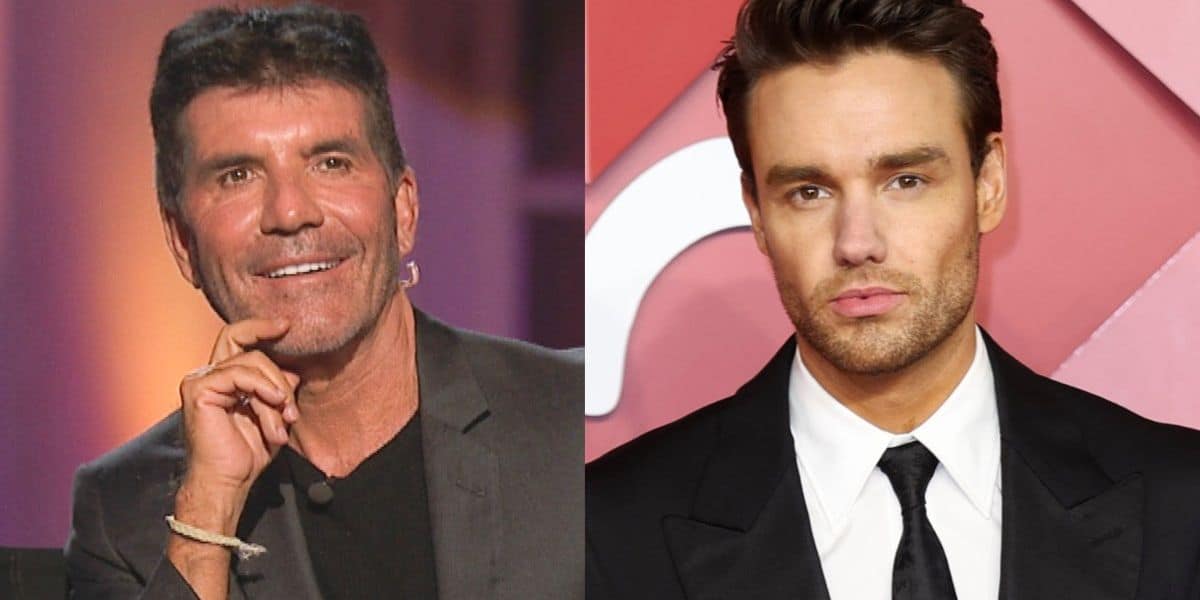
Cowell recalled spending time with Liam roughly a year before the singer’s death. And according to him, the meeting wasn’t weighed down by any of the darkness that would eventually dominate the headlines. Instead, he remembered a man who appeared to be moving forward — someone who talked openly about being a father, about his family life, about perspective.
Cowell didn’t portray the visit as a therapy session or a warning sign. Instead, he said he left it with a sense of optimism. “I felt really good about him,” Cowell said. “I thought, ‘Wow, you seem in a really good place.’”
Still, Cowell offered him one piece of advice that now feels haunting in hindsight: music is not everything. He told him not to let the industry consume him or grind him down again and encouraged him to find something beyond it to pour himself into.
It wasn’t a lecture — it was a reminder from someone who has watched countless artists lose themselves in the mechanics of fame.
The Night in Buenos Aires: A Sudden, Devastating Turn
The details of Liam Payne’s final night have already been widely reported, but they’re no less jarring in retelling. A fall from the balcony of the CasaSur hotel. A toxicology report confirming alcohol and drugs. Multiple arrests connected to the circumstances surrounding the event.
He was only 31 years old.
Fans who had watched Liam grow up on television and stage were left trying to reconcile the confident performer they’d known with the reality of his private struggles. And while Payne had spoken publicly in past years about mental health challenges and addiction, the tragic outcome still blindsided many who believed — or hoped — he had overcome the worst of it.
Cowell said receiving the news “really hit” him in a way he didn’t fully detail, but the weight of that loss was clear in every sentence he spoke afterward.
Cowell Admits the Inevitable Question: “Could I Have Done More?”
One of the most human moments in Cowell’s interview came not in anger or frustration, but in the acknowledgment that grief naturally turns inward.
“You ask yourself that question: ‘Could I have done anything more?’” he said.
But that question, he added, becomes impossible to answer — and even Liam’s parents pushed back against the idea that Cowell bore responsibility for the path Liam’s life took. They emphasized their son’s pride, his accomplishments, his journey, not the industry pressures fans often assume consume every artist who rises fast and young.
Cowell didn’t pretend the question isn’t painful. He simply accepted the truth: the past can’t be rewound, and responsibility can’t be retroactively reassigned to make grief easier to understand.
Cowell’s Present Life: Transparency and Anxiety Under a Spotlight
Cowell’s comments emerge as he prepares for the release of Simon Cowell: The Next Act, a Netflix docuseries chronicling his latest attempt to build a boy band. The show pulls back the curtain on a man most people associate with certainty and blunt authority, revealing instead someone who frets over turnout, quality, and whether the old formula still works in the streaming age.
It’s a timely context for his reflections about Liam — and about the unpredictability of fame. In the series, he even admits the process scares him. He wonders aloud what happens if the auditions go wrong, if the vocals don’t live up to expectations, if the magic simply doesn’t appear.
It’s a look at a man more vulnerable than the persona audiences first met on American Idol.
A Loss That Stays in the Story — Without Rewriting Simon Cowell’s Role
Liam Payne will always be part of the fabric of pop culture. His voice, his work with One Direction, and his impact on fans worldwide aren’t diminished by the tragedy of his final chapter. For Simon Cowell, the loss is personal, not professional — and he isn’t running from the grief that comes with it.
But what he is rejecting, firmly and without hesitation, is the narrative that he somehow shaped, directed, or controlled Liam’s fate long after their professional paths separated.
“You can’t do that,” he said.
And in this case, he’s right.
Grief invites complicated questions, but it doesn’t mean rewriting history — or rewriting blame.