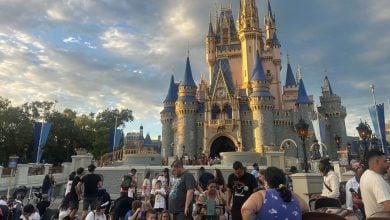
If you’ve spent any time in the Disney Parks lately, you’ve probably noticed a growing tension between magic and mobile screens. Guests juggling Lightning Lanes, mobile orders, PhotoPass downloads, and map navigation often feel like they’re spending more time looking at their phones than looking at the castle. And for years, fans have asked: Can Disney create a system where the storytelling wins, and the screens fade into the background?
As it turns out, Disney’s been working on exactly that.
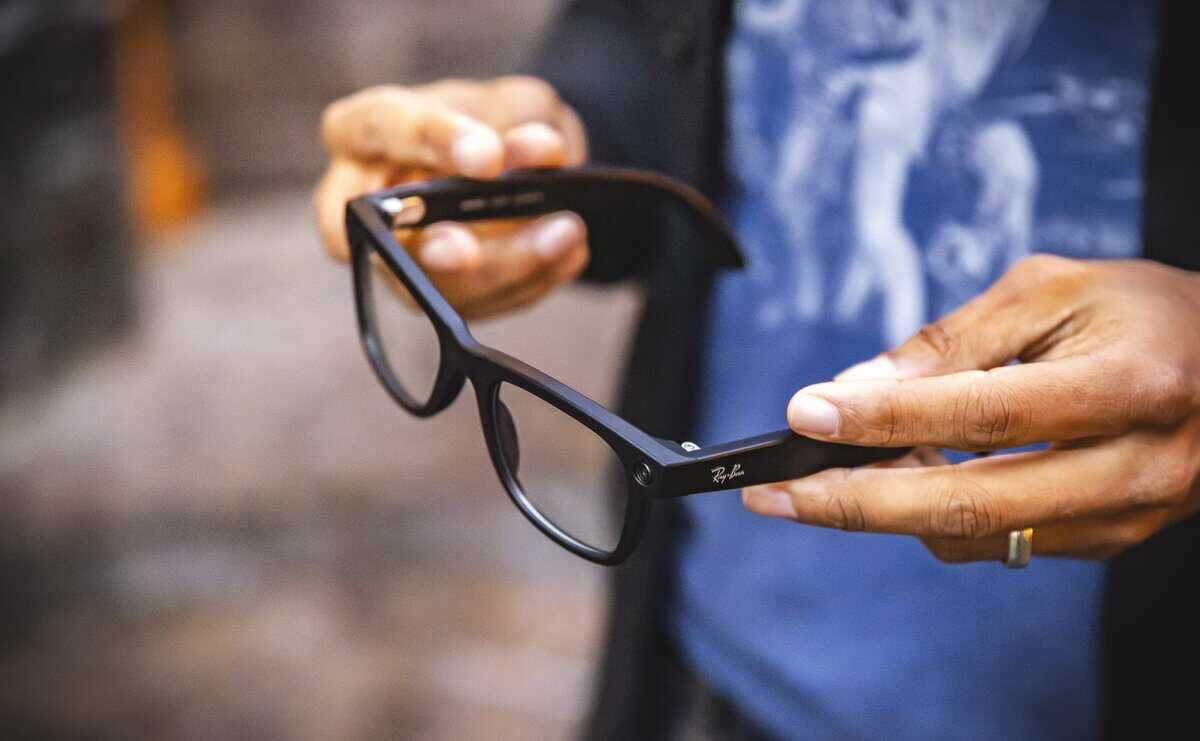
In a newly released episode of We Call It Imagineering on YouTube, Disney pulled back the curtain on its expanding partnership with Meta, revealing that those Ray-Ban smart glasses that debuted earlier this year aren’t just tech-world toys—they’re quietly being developed into a future tool for both guests and Imagineers inside the Disney Parks.
This week’s reveal didn’t just confirm that Disney’s experimenting with Meta glasses. It showed how deeply Imagineering is embedding them into future plans, from hands-free storytelling to construction-site visualization that borders on science fiction. And if you’ve been following the developments from September—when Meta CEO Mark Zuckerberg introduced the upgraded Ray-Ban Display glasses—you already know this collaboration has been brewing for a while.
Now the picture is much clearer, and the direction Disney is heading is unmistakable.
Disney Wants Guests Looking at the Lands—Not at Their Phones
One of the biggest themes in the new video is the company’s commitment to reducing what Imagineers politely call “heads-down behavior.” Disney has been open about its concern that phones are eating away at immersion, especially in lands like Star Wars: Galaxy’s Edge or Pandora—places designed to overwhelm the senses.
In the episode, Imagineer Asa Kalama walked through Galaxy’s Edge and explained how the glasses could be used as a virtual theme park guide—but one that doesn’t yank you out of the moment. Instead of scrolling through an app, guests could simply look around the land and ask questions.
-
Identify architectural or story elements
-
Provide land-specific lore
-
Offer merchandise details simply by looking at an item
-
Answer guest questions in real time
-
Deliver extra context about rides, shops, and theming
It’s basically the Disney Parks app—but invisible, intuitive, and not glued to your hand.
Disney stresses that the point isn’t to replace human cast interactions or flood guests with information. It’s about making the experience feel natural, almost like the land itself is talking back.
Disney’s Philosophy: Extended Reality Should Never Break the Magic
The episode featured commentary from Bruce Vaughn, President and CCO of Walt Disney Imagineering, who has been consistently vocal about the future of “heads-up technology.”
Vaughn explained that every time a guest has to pull out a phone, it splits their attention and disrupts the shared experience. Disney sees extended reality not as an overlay, but as a tool to keep guests focused on the world they’re exploring—and the people they’re exploring it with.
Disney doesn’t want guests buried in devices. They want them looking at Batuu, Tomorrowland, Adventureland, the castle, and each other.
Smart glasses, they argue, work with the environment—not instead of it.
Meta’s Ray-Ban Display Glasses: The Tech Behind the Magic
If you followed the September announcement, you know these glasses aren’t the same ones Meta launched previously. These are upgraded, AI-fueled, display-equipped glasses with:
-
A subtle projection screen only the wearer can see
-
Real-time visual recognition
-
Location tracking
-
Sightline detection
-
AI assistance
-
Voice controls
They also tie into third-party ecosystems—which is exactly where Disney comes in.
In Meta’s original demo, Disney Imagineering showed off how the glasses could answer questions about attractions, dining, and strategies for navigating Disneyland. It was a clear hint that Disney was testing context-aware AR tools long before this week’s announcement.
But the September reveal came with concerns about movement tracking, data collection, and privacy. These glasses can follow what you look at, where you walk, and how long you linger. Disney did not address privacy in the new episode, but the conversation is still active in fan communities.
The Part No One Saw Coming: How Imagineers Are Using the Glasses Behind the Scenes
One of the most surprising moments in the new episode came when Vaughn explained how Imagineers use the glasses on greenfield sites—completely cleared land awaiting new construction.
Imagine this:
You’re standing on a dirt field. The attraction doesn’t exist yet. The land doesn’t exist. The guest pathways don’t exist. All you have is a blueprint and imagination.
Now imagine putting on a pair of glasses and seeing the entire future land built around you before a single foundation is poured.
That’s the direction Disney is heading.
The glasses can help:
-
Visualize full-scale attraction exteriors
-
Preview guest sightlines
-
Understand structural footprints
-
Identify early friction points
-
Test ideas more quickly
-
Reduce the need for temporary framing or physical mock-ups
It’s the type of design evolution Imagineering has hinted at for years—but this is the first time they’ve shown the tech in action.
What This Means for Your Next Disney Trip
It’s too early to say exactly how the average guest will interact with Meta’s smart glasses. Disney has not announced a release timeline and is still in the exploratory phase. But if these glasses reach widespread use, we could see major changes:
1. Navigation Becomes Effortless
No more stopping for maps or app check-ins. The glasses could quietly guide you.
2. Storytelling Becomes Adaptive
Each land could “talk back” to guests who engage with it.
3. Shopping Becomes More Informed
Point, look, ask—no more searching up product histories.
4. Wait-Time Strategy Gets Smarter
Dynamic suggestions could appear automatically based on crowd flow.
5. Phone Usage Drops Significantly
A major Disney goal for years.
6. Imagineering Becomes Faster, More Precise
Meaning more ambitious lands could be greenlit in the future.
The Glasses Are Almost Here—But Disney Isn’t Ready for Public Rollout Yet
Meta’s new Ray-Ban Display glasses will be available this month and will cost around $799. They’re consumer-ready, stylish enough to pass as normal sunglasses, and powerful enough to run Disney’s experimental park tools.
But Disney’s timeline? Still to be announced.
What’s clear is that the company sees extended reality not as an add-on gimmick, but as part of the long-term evolution of theme park storytelling.
So next time you see someone wandering Walt Disney World or Disneyland talking quietly to the air, look a little closer—they might not be talking to themselves.
They might be talking to the future of the Disney Parks.