
Declining Attendance in Theme Parks
Nationwide theme park attendance experienced a notable decline of 1.8% during the first half of 2025. This drop has sparked genuine concern among industry leaders regarding its impact on park revenues. With billions in potential losses, operators are scrambling to understand the dynamics influencing this trend. Some parks have reported particularly severe reductions, signaling an urgent need for strategic reassessment.
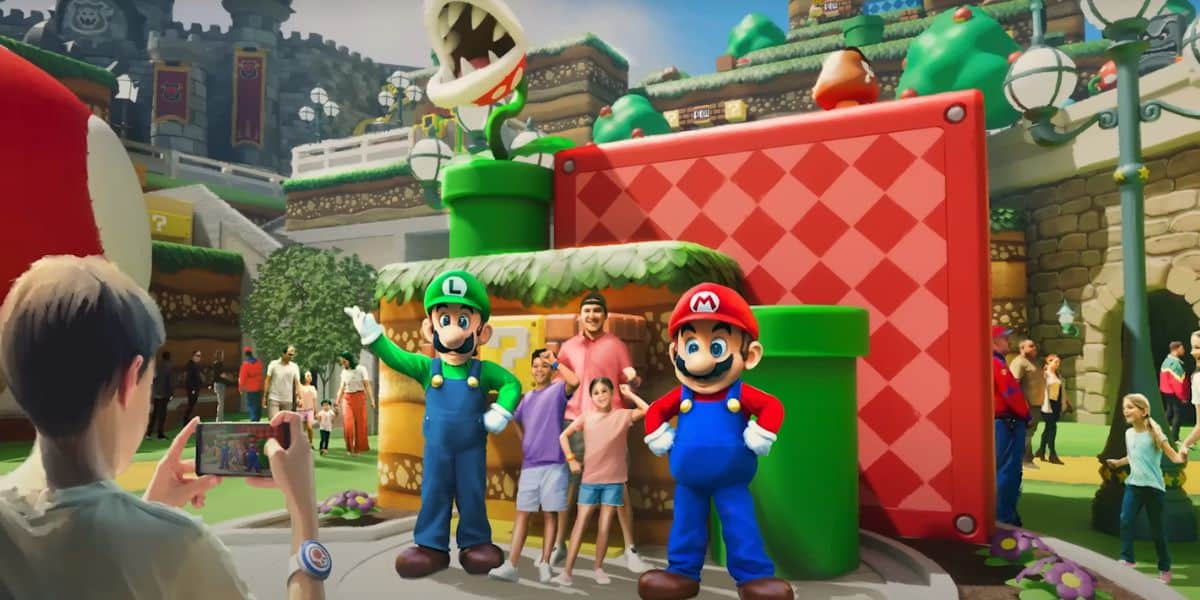
Major players, such as Disney, Universal, and Six Flags, are feeling the effects of declining attendance. As families opt for alternative recreational options, the financial implications for these operators continue to grow. The ongoing shifts in attendance patterns have left parks pondering their next moves, making adjustments to ensure sustainability in a competitive landscape.
Financial Struggles of Major Operators
Despite boasting impressive revenue figures, Disney reported a slight 1%decline in attendance at its domestic parks. This disconnect between revenue and visitor numbers raises questions about the long-term sustainability of such financial models. Universal Parks are in a similar predicament, with specific attractions witnessing significant drops; for instance, attendance at Universal Studios Florida declined by 2.6% while its Islands of Adventure saw a 5.5% downturn.
However, the most alarming figure comes from Six Flags, which reported an astonishing 17% decrease in attendance. The stark contrast between revenue growth and visitor numbers has prompted industry analysts to speculate on what this means for the future of theme parks.
The Rising Cost of Visits
Parents and families across the country are increasingly feeling the financial pinch of theme park visits. With rising prices for admission, food, and merchandise, many consumers are finding it challenging to justify the costs associated with a day at the theme park. The staggering expenses can deter families from making the trip, leading to a notable shift in spending habits.

In comparison, inflatable rides and backyard entertainment options have emerged as viable alternatives. For a cost equivalent to a single day at a theme park, families can invest in items that provide countless hours of fun. This shift highlights the evolving preferences of consumers, further emphasizing the impact of pricing on attendance.
Future Predictions for the Industry
As 2026 approaches, experts predict that regional parks may face even more significant challenges. Consumer behavior continues to indicate a trend of spending cuts, particularly on discretionary activities such as theme park visits. While high-income families may still frequent major parks like Disneyland, regional parks appear vulnerable to declining attendance.

The ongoing trends suggest that park operators may need to rethink their strategies. With current pricing models discouraging visits from average consumers, the future of regional theme parks appears uncertain. Industry insiders anticipate potential shifts in attractions, rental options, and promotional strategies to better align with evolving consumer preferences and capabilities.
The theme park industry is at a crossroads, with declining attendance casting a shadow over its financial future. While operators grapple with costs and consumer spending habits, it remains to be seen how they will adapt to maintain their appeal.