

Trump’s Confrontation with ABC News
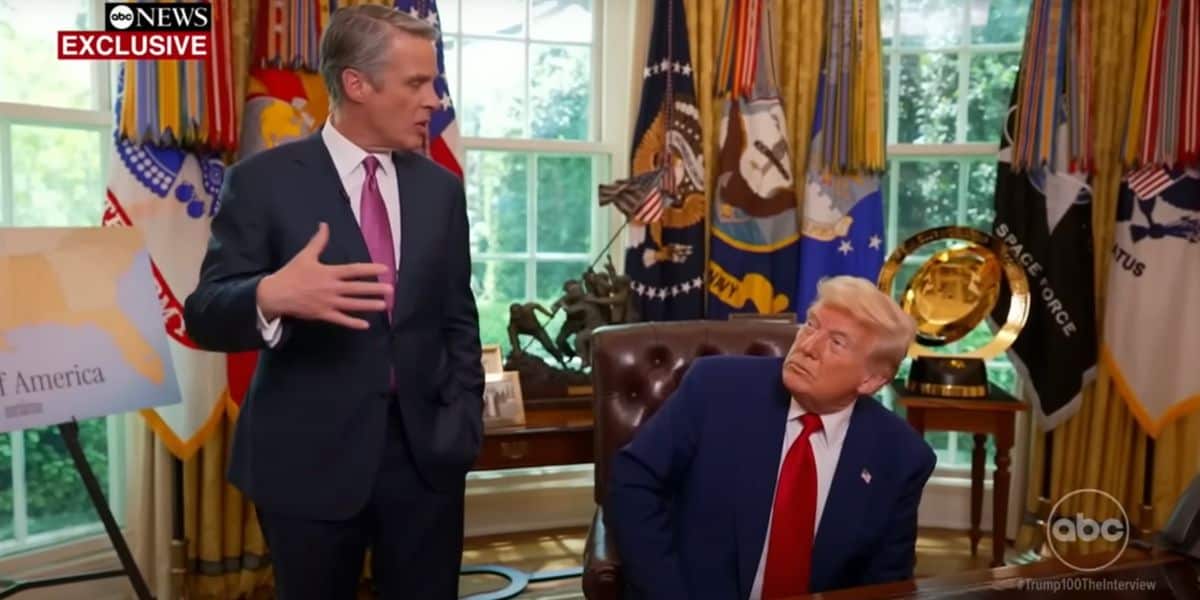
The ongoing spat between Donald Trump and The Walt Disney Company escalated dramatically during a recent press conference held in the Oval Office. The altercation was sparked when Mary Bruce, a reporter from ABC News, posed pointed questions regarding the Epstein Files and Saudi Arabia’s Crown Prince, Mohammed bin Salman Al Saud. As Bruce confronted Trump about the appropriateness of his business dealings in Saudi Arabia while serving as President, she highlighted the U.S. intelligence conclusion that bin Salman was responsible for journalist Jamal Khashoggi’s murder.
In a swift response, Trump interrupted Bruce, labeling her both a “terrible reporter” and a “terrible person.” His disparagement of ABC News did not end there, as he dismissed the network’s credibility, stating it was a “crappy company” and threatened to revoke its broadcasting license.
Following the press conference, Trump continued his verbal assault on ABC News, expressing disdain for what he termed “fake news.” He asserted that the network was part of a partisan agenda, claiming it operated as a “Democrat spin operation masquerading as a broadcast network.” Trump’s comments were an apparent attempt to undermine the credibility of ABC and position himself as a defender against what he perceived as media bias.

In a follow-up statement, the White House published an extensive post on its website accusing ABC of “peddling lies.” The content of the statement detailed what Trump viewed as a timeline of grievances against him, including Disney’s previous controversies involving ABC News anchor George Stephanopoulos. This aggressive tactic exemplified Trump’s strategy of directly confronting media outlets, reflecting his penchant for engaging in public disputes.
Reaction from Disney and ABC
The threat to ABC’s broadcasting license raised eyebrows across the media landscape. Despite the turmoil, ABC remains on air, but Trump’s insistence on pursuing this matter could lead to significant repercussions. Observers noted that if he follows through with his threats, there may be ongoing scrutiny of ABC’s operations and challenges to its legitimacy.

As the parent company of ABC, Disney’s stance in this feud has been notably silent thus far. The absence of a response from Disney leaves industry analysts pondering whether the company will choose to engage with Trump’s criticisms or adopt a more reserved approach. As escalating tensions unfold, the company must navigate its public image while considering the implications of aligning itself against a former president.
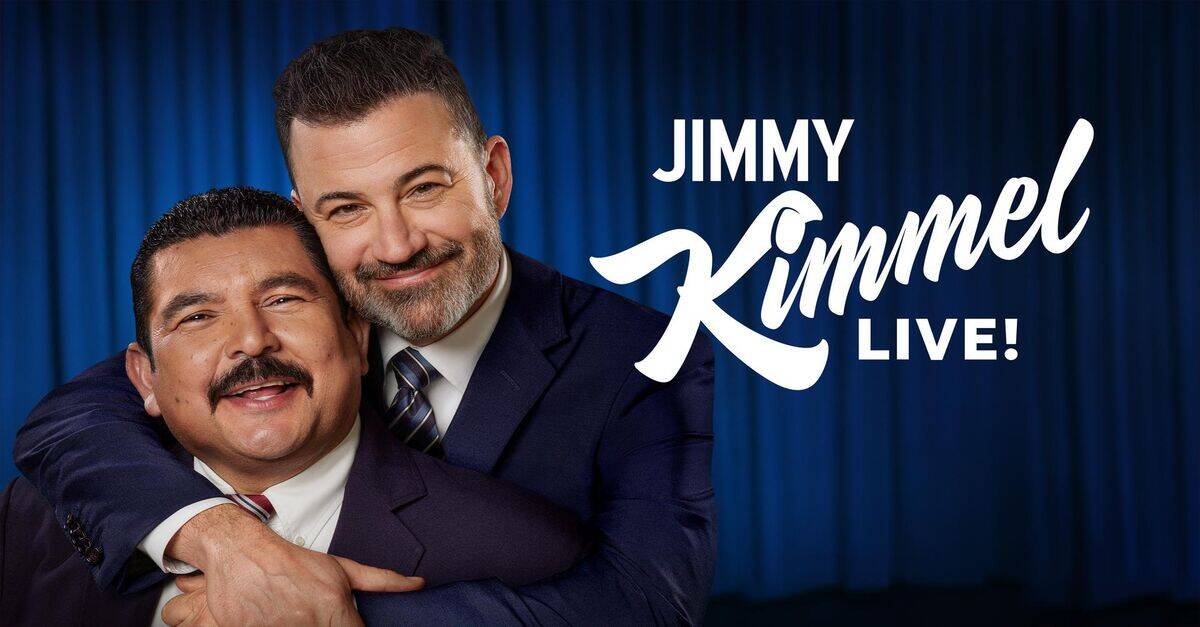
Trump’s comments also cast a shadow over Jimmy Kimmel’s late-night show on ABC. Kimmel had recently criticized Trump’s meeting with bin Salman, calling it “cartoonishly evil.” Trump has since suggested that Kimmel’s show should be removed from the air, urging ABC affiliates to boycott it. The fate of Kimmel’s program appears precarious as it navigates media backlash and political pressure from the former President.
Broader Industry Impact
The Federal Communications Commission (FCC) has become involved in the conflict, with officials initiating an investigation into the relationship between ABC and its affiliated stations. The outcome of this investigation could lead to sweeping changes that affect not only ABC but also other networks that rely on affiliate partnerships for broadcasting.
The FCC’s inquiries could have far-reaching implications for ABC and its affiliates. Should adverse findings emerge from the investigation, it could destabilize ABC’s relationships with stations nationwide, resulting in economic ramifications for partner networks and altering the broadcasting landscape as a whole.
Trump’s escalating feud with Disney and ABC News illustrates his continued influence over the media narrative. His ability to draw attention to grievances enables him to shape public discourse through media coverage. Analysts are closely watching how Trump’s actions may impact audience trust in news outlets and their credibility moving forward.
Public Responses and Opinions
Reactions to the feud on social media have been mixed. Supporters of Trump have echoed his sentiments, expressing dissatisfaction with ABC’s coverage. Conversely, critics have condemned Trump’s actions as detrimental to journalistic freedom, emphasizing the importance of holding public officials accountable.
Media analysts are split on the implications of Trump’s vendetta against ABC. Some argue that his tactics could reduce public trust in verified journalism, while others see an opportunity for ABC to reinforce its commitment to delivering objective news. The dynamics of this feud might redefine how media outlets approach coverage of political figures.
The ongoing conflict between Trump and ABC raises vital questions about trust in the media. As Trump intensifies his attacks on news organizations, audience perceptions may shift, potentially leading to a decline in confidence in mainstream news sources. The battle for credibility continues as viewers grapple with a rapidly evolving media landscape.





Trump is right though. Like it or not.