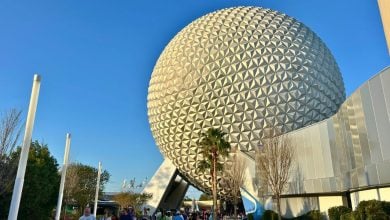
Disney World and Universal Orlando Resort vacations through 2027 are now on high alert following a new declaration from the Federal Aviation Administration.

Travelers at Orlando Airport Left Reeling—But a Quiet Shift Behind the Scenes Signals Something Bigger
For a brief moment, it felt like the entire travel world narrowed down to a single terminal. Weekend visitors leaving Orlando clutched backpacks, souvenirs, and half-finished butterbeer cups as they rushed between gates—only to find their flights delayed, rerouted, or erased from the board entirely. The atmosphere turned anxious as line after line of frustrated guests wondered how a place engineered for efficiency suddenly found itself at a standstill. Beneath the surface of the chaos, one unsettling question lingered: If this can happen now, what could it mean for the vacations already being planned for 2026?
The Unexpected Domino Effect of the Federal Shutdown
The ordeal wasn’t born in Orlando. It originated in Washington, where a federal government shutdown stretched past the six-week mark, ultimately freezing key functions across dozens of agencies. While Americans adjusted to closed offices and stalled services, the strain on the aviation system quietly approached a breaking point.
Air traffic control centers—already an industry facing staffing shortages—became ground zero for operational stress. With too few certified controllers available, the Federal Aviation Administration activated an emergency measure: a 10% reduction in flights at the country’s 40 busiest airports. Safety, the FAA emphasized, had to take priority.
Orlando International Airport (MCO), which moves tens of millions of Disney World and Universal Orlando visitors annually, was among those immediately affected. The reduction caused hundreds of cancellations and thousands of delays, leaving some families stranded and others scrambling for last-minute hotel rooms or extended park tickets.

Orlando’s Gradual Return to Stability
But on Monday morning, a shift finally arrived. After President Donald Trump signed legislation reopening the federal government following a 43-day shutdown, staffing levels at federal aviation facilities improved enough for the FAA to lift its emergency order.
Almost instantly, the numbers reflected the change. MCO reported only four delays and zero cancellations, marking the airport’s fastest operational recovery in weeks. Lines thinned, terminals calmed, and travelers once again moved through the airport with a sense of relief rather than dread.
For many guests wrapping up their vacations at Disney or Universal, the quick rebound provided closure. But the short-lived chaos also raised a deeper concern that the travel industry can’t afford to ignore.

Why the Real Story Isn’t About the Delays at All
On the surface, the disruption appears temporary—one more inconvenience caused by political gridlock. Yet the deeper significance lies not in what happened, but in what it revealed: Orlando’s tourism engine is heavily dependent on a fragile aviation system that can be disrupted with little warning.
Even though the FAA restored operations quickly this time, the event served as a stark reminder that national decisions can affect local tourism almost instantly. For a region that welcomes tens of millions of visitors each year, this vulnerability is more than an inconvenience—it’s a structural risk.
And that’s where the conversation shifts toward the future.

What This Means for Guests Planning 2026 Trips
Millions of travelers are already eyeing 2026 for major theme park vacations, with new Universal Orlando projects, anticipated Disney developments, and expanding Central Florida tourism offerings all fueling demand. But the recent aviation disruption underscores a crucial reality:
Any future shutdown, staffing shortage, or federal aviation challenge has the potential to impact Orlando vacations—even those planned far in advance.
Transportation reliability is a core part of the guest experience. Delays don’t just affect arrival times—they can impact hotel check-ins, park reservations, paid experiences, and overall travel budgets. Even a brief reduction like the one just ended can ripple through vacation schedules with surprising speed.
In short, this wasn’t just a scheduling hiccup. It was a preview of how quickly a densely interconnected tourism ecosystem can be rattled when the air traffic system falters.

A Subtle Warning for the Industry—and a Planning Tip for Guests
The FAA’s announcement and subsequent restoration of operations highlight the aviation industry’s ability to recover. But the temporary reduction also exposed how close the system can be to hitting operational limits during periods of national stress.
Travel experts, airlines, and theme park planners are taking note. As Orlando continues to expand its entertainment offerings, the need for stable, fully staffed air traffic control centers becomes more important than ever.
For future travelers, the solution isn’t panic—it’s preparation. Flexible itineraries, travel insurance that covers government-related delays, and awareness of federal updates can make a world of difference.
The emergency order may be over, but the lesson it delivered is likely to shape how Orlando tourism navigates the years ahead.