Walt Disney World’s popularity isn’t new. Since its 1971 debut, guests have packed its gates to experience the “Most Magical Place on Earth.” But today, that success has turned into something Disney can barely manage. The Magic Kingdom is still the most-visited theme park in the world, but now it’s bursting at the seams.
Crowds are no longer just large—they’re overwhelming.
Roughly 46,000 to 50,000 guests visit each day, creating a gridlock that stretches from Main Street to Tomorrowland. Walking through the park feels like navigating rush hour traffic. Ride waits stretch past an hour, quick-service restaurants are swamped, and parade or fireworks viewing has become a full-contact sport. It’s not just busy—it’s bursting.

Why Magic Kingdom Can’t Keep Up
Disney’s crowd issues come down to how the park has evolved. The problem isn’t that people stopped loving it—it’s that the park stopped growing fast enough to meet that love.
At full strength, Magic Kingdom can cycle about 38,000 riders per hour, but in real terms, it’s closer to 28,700. That’s a serious mismatch for 48,000 guests daily. The result is constant congestion, long waits, and narrow walkways filled with people standing still rather than moving through the attractions.

Swapping, Not Expanding
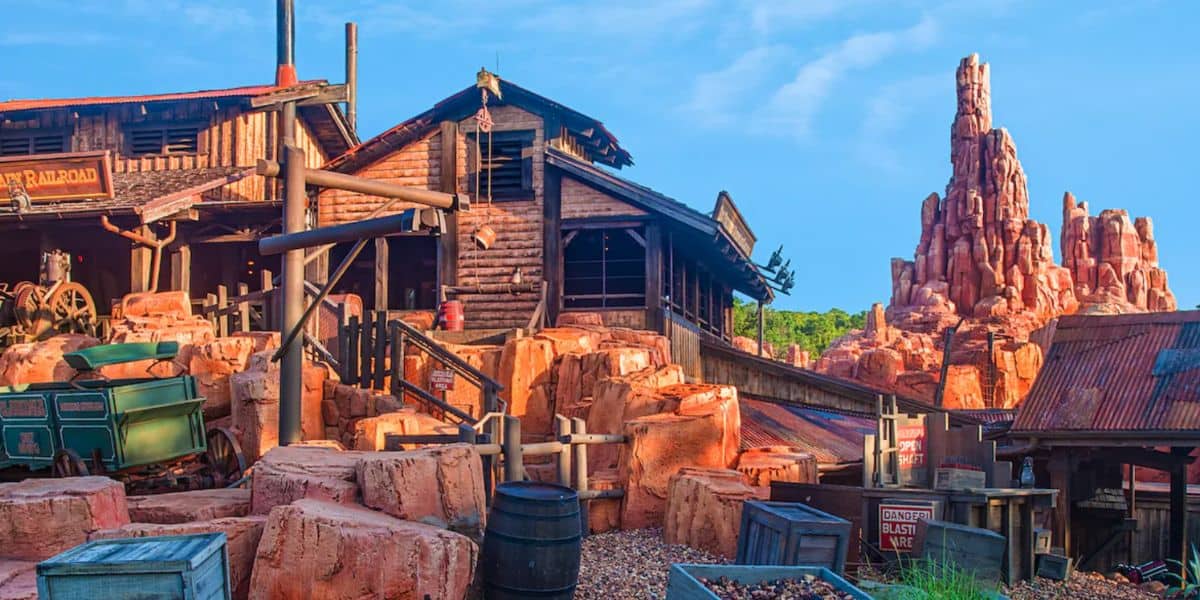
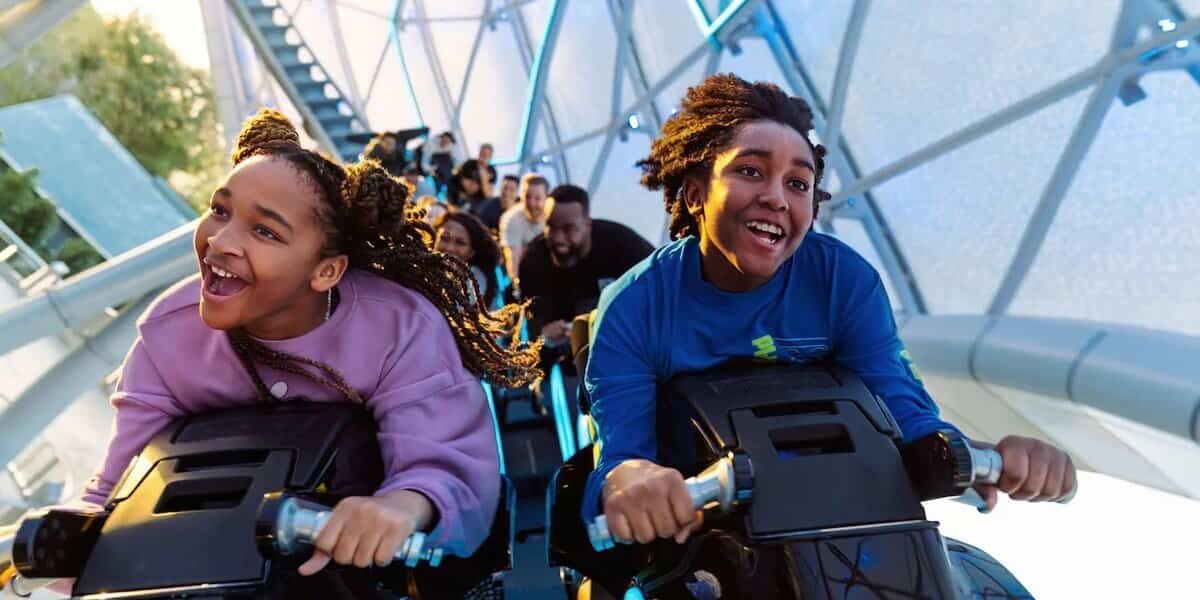
Disney’s habit of replacing rather than expanding has only worsened the situation. Projects like Tiana’s Bayou Adventure and Seven Dwarfs Mine Train reused existing areas instead of adding new land. TRON Lightcycle/Run is the lone true capacity increase in two decades. One ride opens, another closes—the crowd levels stay the same.
When Nostalgia Becomes a Limitation
Magic Kingdom’s identity is both its greatest strength and its most significant barrier. The park thrives on nostalgia, but that also limits what Disney can build. Every new project must “fit” the park’s classic charm, which makes it hard to introduce fresh, modern attractions. While Universal can blend genres with ease, Magic Kingdom must protect its old-fashioned image—even if it means fewer innovative ride systems or thrilling experiences.
The Landlock Problem
Even if Disney wanted to expand, it’s not an easy task. The park’s geography works against it. The railroad, utilities, and backstage roads carve the park into inaccessible pockets. It’s a logistical nightmare that makes new development expensive and slow. That’s why re-themes have become more common than new builds—the park’s infrastructure literally boxes it in.
Disney’s Price Tag “Solution”
Instead of addressing the core issue, Disney has resorted to pricing as a means of crowd control. Ticket prices and Lightning Lane costs continue to rise, leaving fans paying more for the same level of crowding. It’s not solving the problem—it’s just changing who can afford to face it.
Real Fixes Disney Should Consider
To truly solve the issue, Disney needs to expand outward, not just recycle land. More acreage would naturally spread out the guests. The company should also build more attractions, even smaller ones, to absorb crowds. New shows could also help—live entertainment keeps hundreds off the walkways for extended periods.
It might also be time to retire space-hogging, low-capacity rides like Tomorrowland Speedway and replace them with modern, high-throughput attractions. Bigger ride vehicles, like those used in The Twilight Zone Tower of Terror, could also help move guests more efficiently.
Where Disney Goes From Here
Magic Kingdom’s charm hasn’t faded—it’s just suffocating under its own success. Raising prices isn’t a fix. Expansion, efficiency, and creativity are. To protect the park’s future, Disney has to think bigger—literally. The world’s most beloved park deserves the space to breathe again.